


Verified
Unclaimed
France
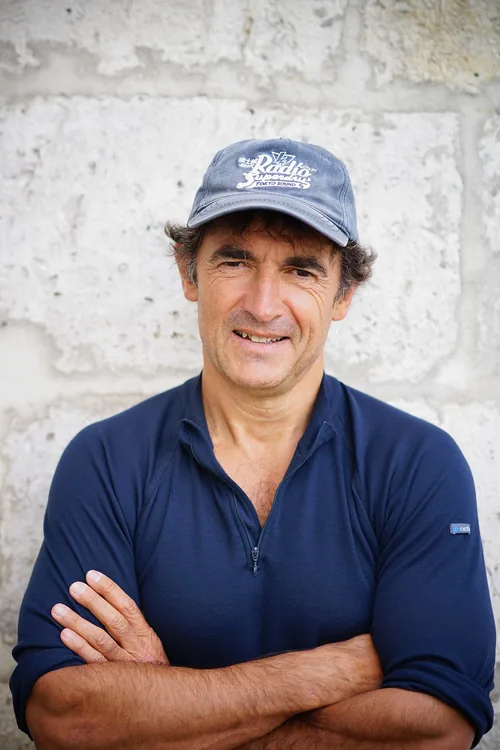
Albert Dupontel
Albert Dupontel, born on 1 January 1, 1961, Saint-Germain-en-Laye, acted as actor, director, screenwriter and comedian in France.
Albert Dupontel, born on 1 January 1, 1961, Saint-Germain-en-Laye, acted as actor, director, screenwriter and comedian in France.
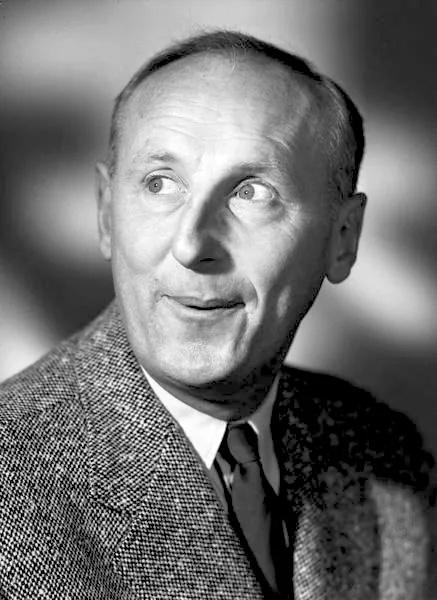
André Raimbourg, better known as Bourvil, was a French comedian, singer and comedian, born 2nd March 1893. 7 July 191 7 to Pretot‐Vicquemare, in the Seine-Inferior, and died on the 2 3 September 1970 in the 16th arrondissement of Paris.

Christian Keyvier, born May 6, 195 2 in the 15th arrondissement of Paris, is a French actor, screenwriter and producer who also obtained Belgian nationality.
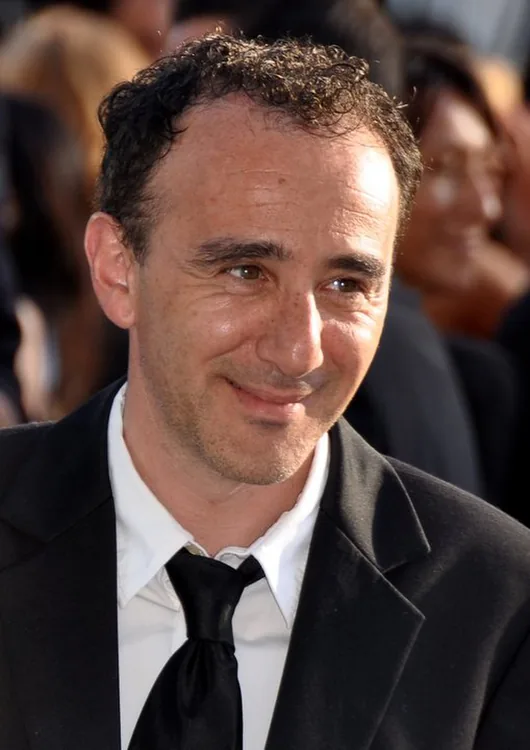
Born 16 October 196 3 in the 13th arrondissement of Paris, Élie Semhoun, better known as Élie Semoun, works in France as a comedian, actor, director, screenwriter and singer.
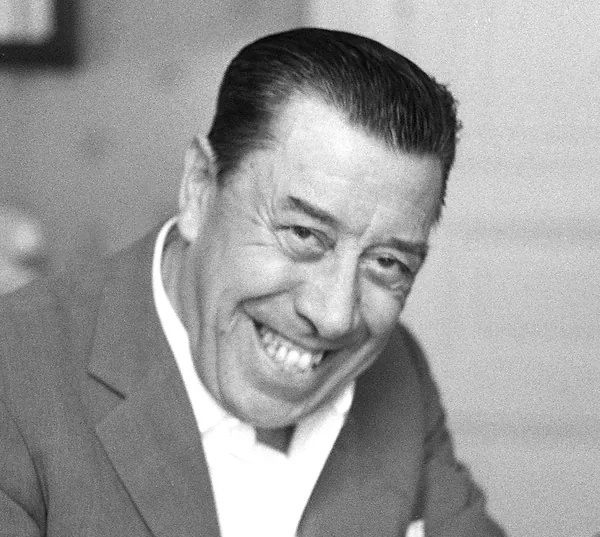
Fernand Joseph Désiré Contandin, known professionally as Fernandel, was born on May 8, 1903, in Marseille, France. His parents were Désirée Bédouin and Denis Contandin, who originated from Perosa Argentina, Italy; his father worked as a bookkeeper and performed as an amateur comedian under the pseudonym 'Sined'. He had two brothers, Auguste-Marcel (1897-1961) and Francis (Fransined) (1914-2012), and a sister, Marguerite (1910-2006). Having started in music halls, Fernandel adopted the stage name Fernandel in 1922, a designation provided by his mother-in-law. He married Henriette Félicie Manse in 1925. Fernandel’s career began with appearances in cafes and at weddings, followed by a victory at a children's singing competition at the Théâtre du Châtelet in Marseille at age seven. He made his film debut in 1930 in Le Blanc et le Noir . His popularity grew steadily throughout the 1930s and 1940s, with key roles in films like Angèle (1934), Regain (1937), Le Schpountz (1938), and La Fille du Puisatier (1940). He collaborated extensively with Marcel Pagnol, appearing in thirteen of his films. He released the popular song “Félicie aussi” in 1939 and had a successful recording of “La Caissière du Grand Café” in 1947. Fernandel became one of the biggest stars of French cinema for several decades, appearing in over 125 films between 1930 and 1969. He was well-known for portraying the Italian village priest in the Don Camillo series from 1951 to 1970, a role which led to a meeting with Pope Pius XII in 1953. His distinctive facial features, which he referred to as his ‘gueule de cheval’ (horse-like face), became a trademark. He also appeared in Italian and American films, including Around the World in 80 Days (1956) with David Niven and Paris Holiday (1958) with Bob Hope and Anita Ekberg. Fernandel was involved in the direction or joint production of multiple films throughout his career. Fernandel’s films attracted over 200 million spectators during his career, and in 1968, General Charles de Gaulle stated that Fernandel was the only Frenchman more famous than himself worldwide. Following a diagnosis of lung cancer, he passed away on February 26, 1971, and his remains are interred at the Cimetière de Passy in Paris. His son Franck Fernandel became an actor and singer, and acted alongside his father in L'Âge ingrat and En avant la musique .
Born he 13 October 1900 in Reims, Ghislaine Dommanget es t died e on 3 0 April 1991 in Neuilly‐sur‐Seine. She has a career as a French actress. n marriage with Prince Louis II a high he was Princess consort of Monaco from 1946 to 1949.
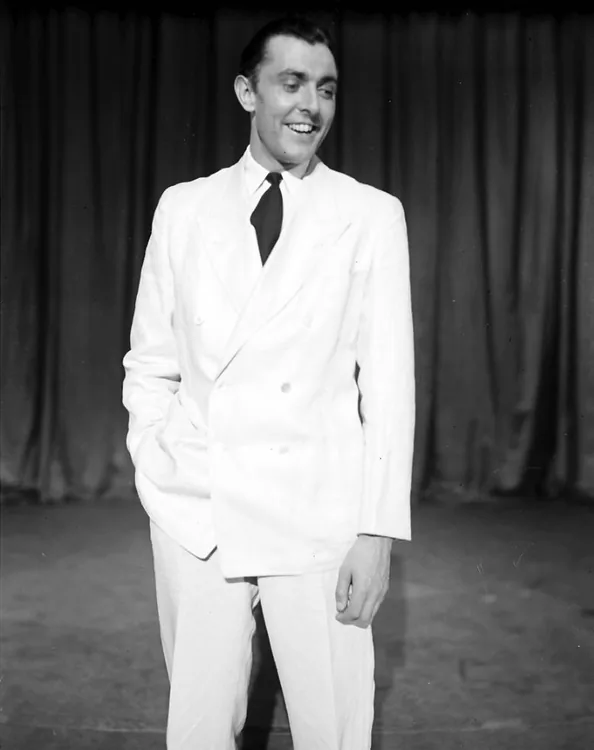
Born on October 9, 1907 in Pecq, Seine-et-Oise, Jacques Tatischeff, better known as Jacques Tati, worked in France as a director, actor and screenwriter. extinguished on 4 November 198 2 in the 10th arrondissement of Paris, near the square which now bears his name.
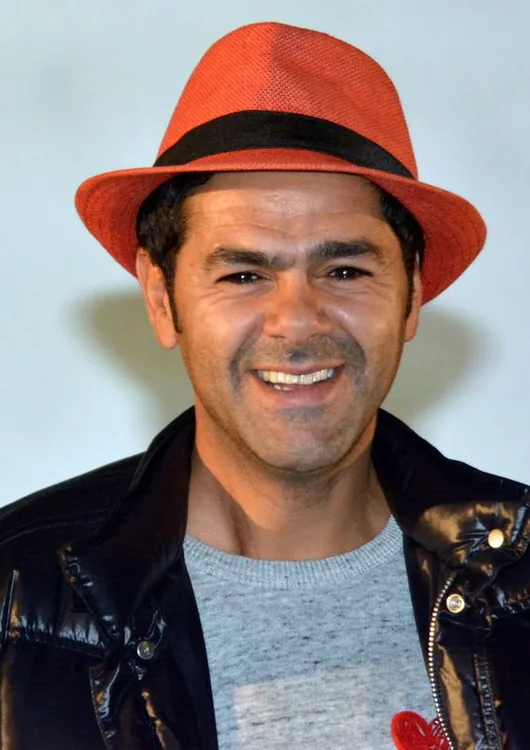
Jamel Debbouze, born on the 1st 8 June 1975 in the 10th arrondissement of Paris, works as a humorist, actor and producer, and is Franco-Marocaine.
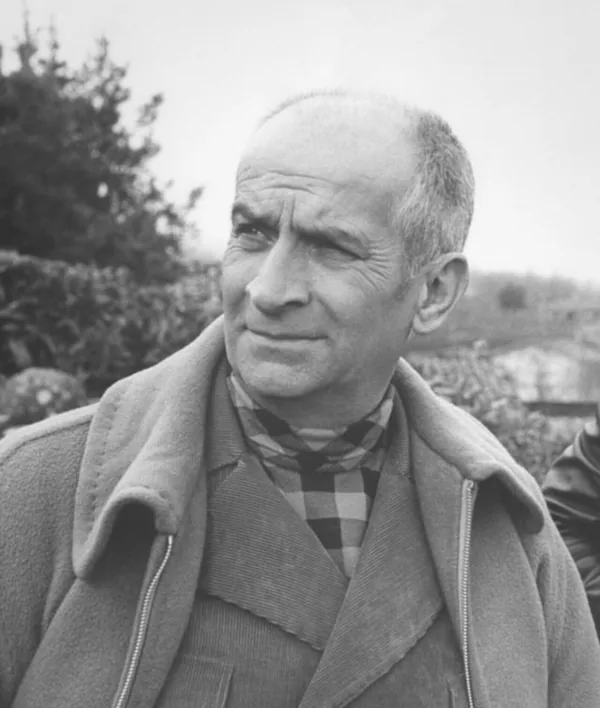
Louis de Funès, born Louis Germain David de Funès de Galarza on July 31, 1914, in Courbevoie, was a prominent French comedic actor. Carlos Luis de Funès de Galarza, a lawyer from Seville, Spain, was his father, and through him, he descended from noble lineage originating in Funes. His mother, Leonor Soto Reguera, a daughter of a Galician notary, contributed to his heritage with Galician ancestry. He spoke French, Spanish, and English, demonstrating an early aptitude for languages. De Funès’s path to acting began with diverse experiences. After attending Lycée Condorcet in Paris and briefly studying at the Sorbonne, he dropped out and worked various menial jobs, often being fired. He pursued musical interests as a jazz pianist in Pigalle, Paris, entertaining customers while exhibiting early signs of his characteristic facial expressions. He also studied acting for a year at the Simon acting school. His career started with roles in plays and secondary film appearances before gaining public recognition in 1956 with La Traversée de Paris . He married Germaine Louise Élodie Carroyer in 1936, divorcing her in late 1942; they had one son, Daniel. Later, he married Jeanne Barthelémy de Maupassant in 1943, and they remained together until his death, having two sons, Patrick and Olivier, with her. De Funès became known for his high-energy performances, facial expressions, and tics, often portraying conservative petit bourgeois characters who attempted to appease authority. He appeared in over 150 films between 1945 and 1983, achieving significant success in French cinema from the 1960s to the early 1980s. Notable works include Pouic-Pouic , the Le Gendarme de Saint-Tropez series, the Fantomas trilogy, Le Corniaud , La Grande Vadrouille , Oscar , and Les Aventures de Rabbi Jacob . The latter film earned him a Golden Globe Award nomination in 1973. His comedic persona embodied an impulsive, complaining, authoritarian, and outspoken average Frenchman. Across Europe, encompassing regions such as the former Eastern Bloc, the former Soviet Union, Iran, Turkey, and Israel, he achieved widespread acclaim; furthermore, his motion pictures resonated with audiences in nations like Russia. De Funès received an honorary César Award in 1980 for his career. His son, Olivier de Funès, also became an actor and appeared in some of his father’s films. On January 27, 1983, he passed away in Nantes, and his legacy is preserved by two museums honoring his life and career: one situated close to Nantes, another in Saint-Raphaël, and a third housed within the former gendarmerie of Saint-Tropez.
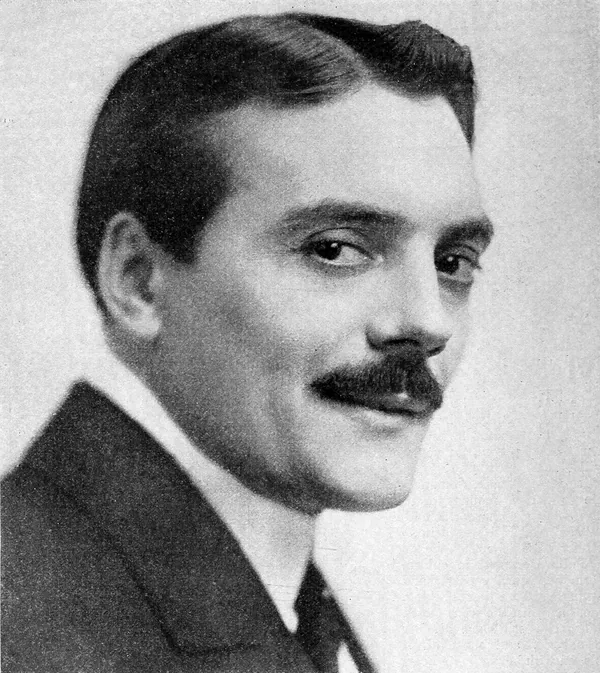
Max Linder, born Gabriel-Maximilien Leuvielle on December 16, 1883, in Saint-Loubès, Gironde, France, was a significant figure in early cinema. His parents, Jean (Marcel) Leuvielle and Suzanne Baron, were vineyard owners, providing him with a comfortable upbringing that included studies at the lycée of Talence. He initially pursued a theatrical career, enrolling in the Conservatoire de Bordeaux in 1899 and winning awards for both comedy and tragedy. However, he was expelled after an altercation with a professor, and briefly performed under the pseudonym Max Lacerda before adopting the name Max Linder in 1904, inspired by a Bordeaux shoe store sign. Linder’s career took a pivotal turn when he began working for Pathé in the summer of 1905. He served as a screenwriter, director, and actor, producing an impressive rate of approximately one film per day. His early work included 'Le Premier cigare d'un collégien' (1905). Beginning in 1907 with 'The Skater's Debut,' he achieved recognition for his depiction of 'Max,' a character representing a prosperous socialite. His portrayal of 'Max,' featured in approximately 100 short films from 1910 to 1914, is recognized as one of the earliest examples of a consistently appearing character in cinema. Linder's creative partnership with René LePrince led to co-direction of his own films starting in 1911. He toured internationally between 1912 and 1913, visiting Spain, Germany, and Russia (Saint Petersburg). During a skating performance in 1911, he suffered an eventration injury. With the outbreak of World War I, Linder enlisted in the French army and was injured multiple times during his service. Following the war, he attempted to find success in the United States, but this effort proved unsuccessful. His younger brother, Maurice, achieved fame as a national rugby player, while his sister Marcelle appeared in some of his films. Max Linder died on November 1, 1925, in Paris, leaving behind a legacy that significantly influenced the creation of Charlie Chaplin’s ‘The Tramp’ character.
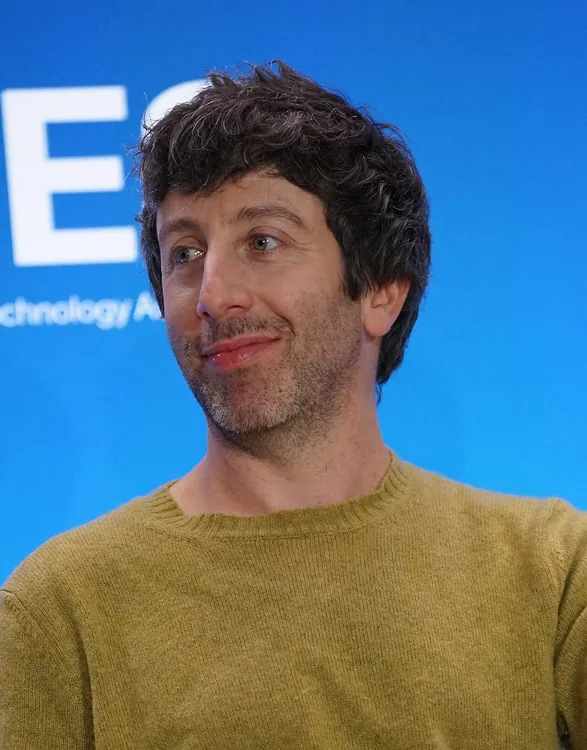
Born in Los Angeles on December 9, 1980, Simon Helberg is an American actor of German origins. He has gained fame by performing Howard Wolowitz in the Big Bang Theory series. He has also included the casting of the TV comedy MADtv.
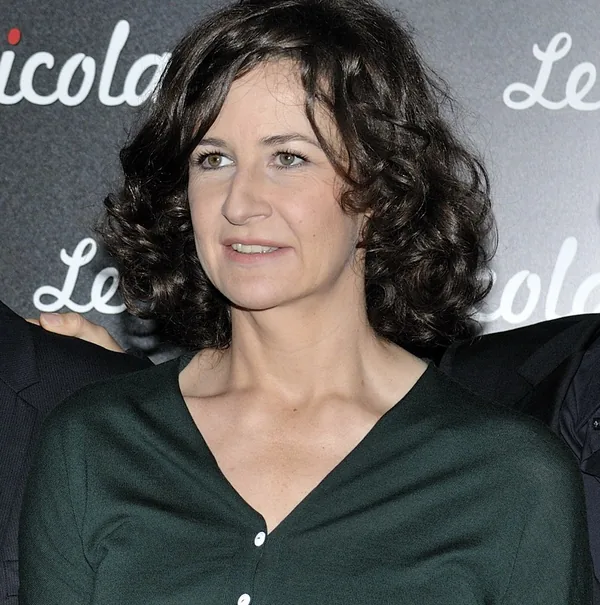
Born On 9 March 1964 in Dieppe, Seine-Maritime, Valérie Lemercier worked in France as an actress, director, screenwriter, humorist and singer.
 Albania
 Armenia
 Argentina
 Austria
 Australia
 Azerbaijan
 Belgium
 Bulgaria
 Benin
 Brazil
 Canada
 Switzerland
 Chile
 Cameroon
 China
 Colombia
 Czech Republic
 Germany
 Denmark
 Dominican Republic
 Algeria
 Estonia
 Egypt
 Spain
 Finland
 France
 United Kingdom
 Ghana
 Greece
 Guatemala
 Hungary
 Indonesia
 Ireland
 Israel
 India
 Iraq
 Iran
 Italy
 Jamaica
 Japan
 Kenya
 Korea, South
 Kazakhstan
 Lebanon
 Latvia
 Morocco
 Myanmar
 Malta
 Malawi
 Mexico
 Malaysia
 Nigeria
 Nicaragua
 Netherlands
 Norway
 Nepal
 New Zealand
 Peru
 Philippines
 Pakistan
 Poland
 Portugal
 Qatar
 Romania
 Serbia
 Russia
 Saudi Arabia
 Sweden
 Slovenia
 Slovakia
 Thailand
 Tunisia
 Turkey
 Taiwan
 Ukraine
 Uganda
 United States
 Uruguay
 Uzbekistan
 Vietnam
 South Africa