Alessandro Siani
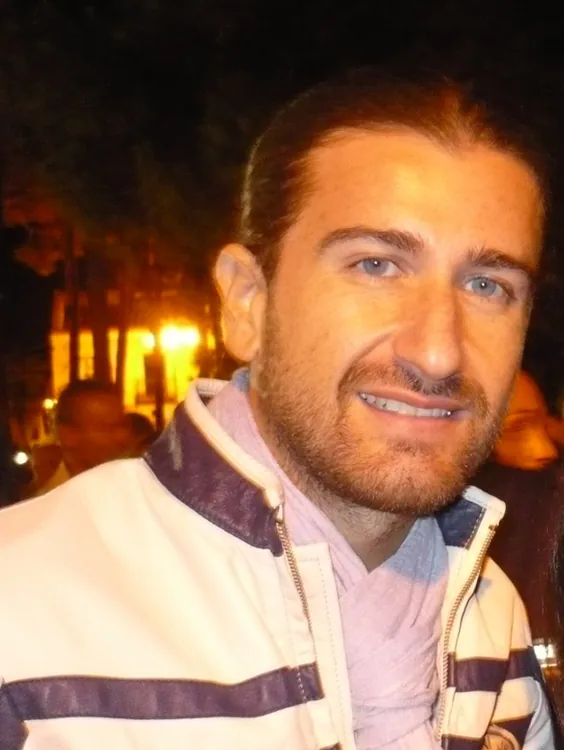
Born as Alessandro Esposito and performing under the name Alessandro Siani, he has established himself in Italy as an actor, film director, screenwriter, and stand‑up comedian.
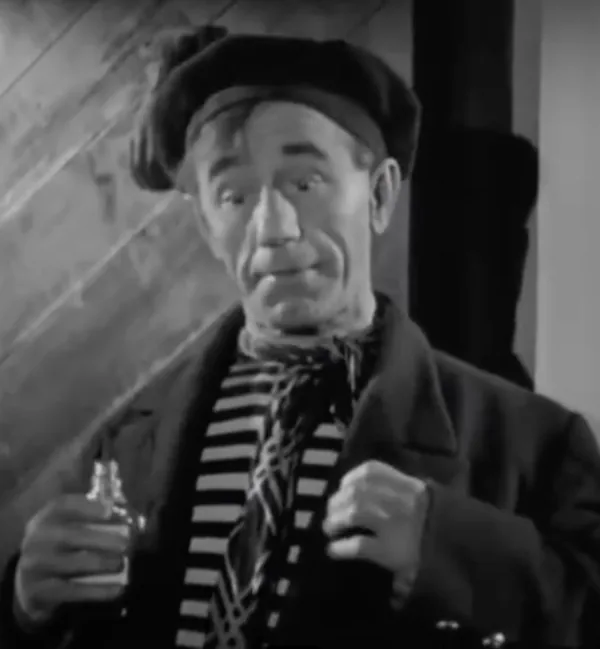
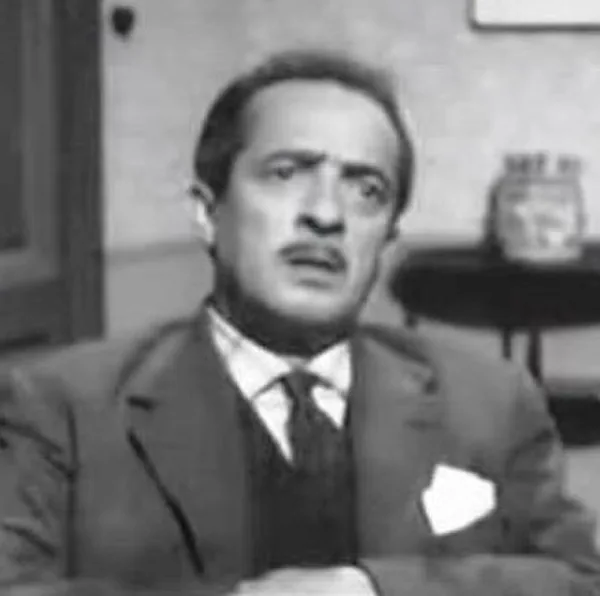
Ferdinand Guillaume, also known under the pseudonyms Tontolini and Polidor, was an actor, film producer, director and French circus artist who became an Italian citizen in the age of silent cinema.
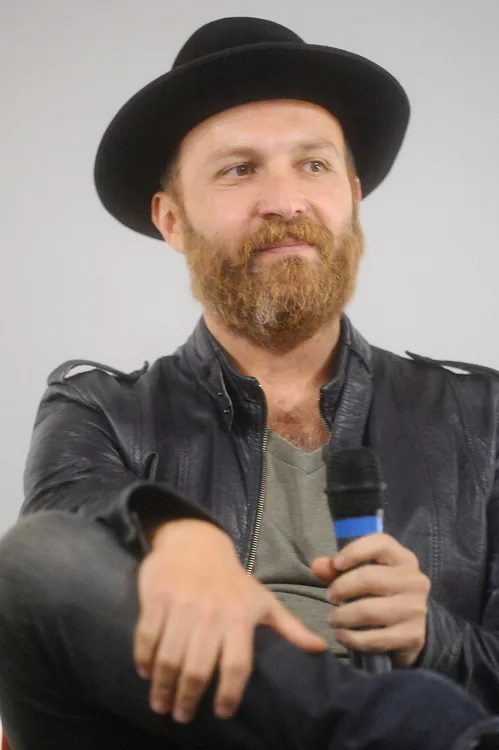
With the name of art Maccio Capatonda, that is Marcello Macchia, is known in Italy for his activity as comedian, actor, screenwriter, director and youtuber.
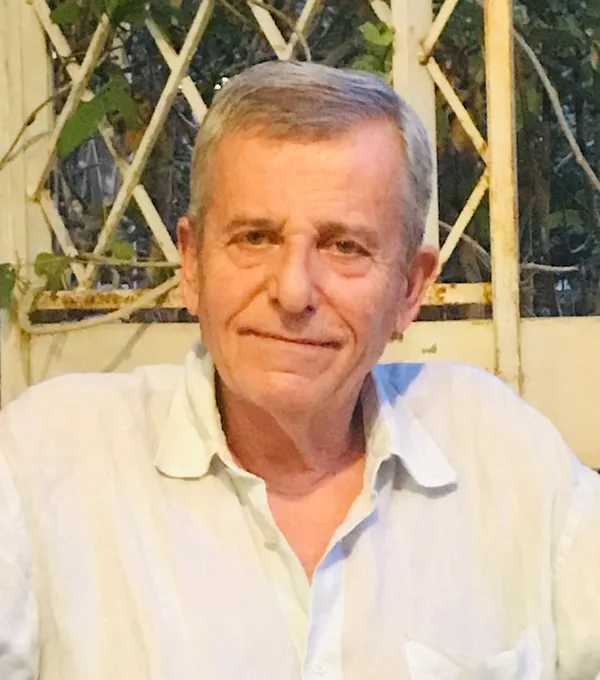
Born in Livorno on February 3, 1947, Maurizio Micheli is an Italian who works as an actor, voice actor, comedian, author, playwright, and television personality. He spent his early years in Livorno until age 11, when his family moved to Bari, where he resided for ten years. After graduating from Liceo classico Orazio Flacco in Bari, he relocated to Milan at age 21 to pursue his acting ambitions. This led him to study at the Piccolo Teatro di Milano school and earn a degree in D.A.M.S. from the University of Bologna with Luigi Squarzina. Micheli’s career began with a debut at the Teatro-cabaret «Il Refettorio» in Milan, performing Franco Nebbia's 'Madre scoraggio'. He continued to hone his craft, working with Patrice Chéreau at the Piccolo Teatro di Milano and Aldo Trionfo at the Teatro Stabile dell'Aquila. During the late 1970s and 1980s, he gained widespread popularity as a comedian through appearances in variety shows such as Fantastico , W le donne , Al Paradise , and A tutto gag . This period also saw him active on stage, where he created popular characters of Pugliese origin, including a lovestruck man and DJ Dino de Nitis. He also appeared in films like Allegro non troppo (1976) and Sono un fenomeno paranormale (1985), and is known for his role in Il commissario Lo Gatto (1986). Beyond his comedic performances, Micheli has demonstrated a diverse range of creative endeavors. He directed several films between 1974 and 1988, including Patria e mammà , Giovinezza addio! , Magic Modern Macbett , Mi voleva Strehler , Nudo e senza meta , In America lo fanno da anni , and Un mandarino per Teo . He also wrote and performed ten shows from 1972, with Mi voleva Strehler (1978), co-written with Umberto Simonetta, becoming particularly well-known, featuring Giovanni Del Giudice on piano and achieving over 1000 performances, even being staged in Paris. Micheli authored the novel Garibaldi amore mio in 2002, which was adapted into a stage comedy performed in 2003-2004 at the Franco Parenti Theater in Milan. He has also published his autobiography, Sciambagne! , in 1996 and hosted the quiz show 'Il delitto è servito' from 1992 to 1993. He received the title of Ufficiale-Ordine al merito della Repubblica italiana in 1999. He has been in a relationship with actress Benedicta Boccoli since 1998, and they married on August 28, 2025.
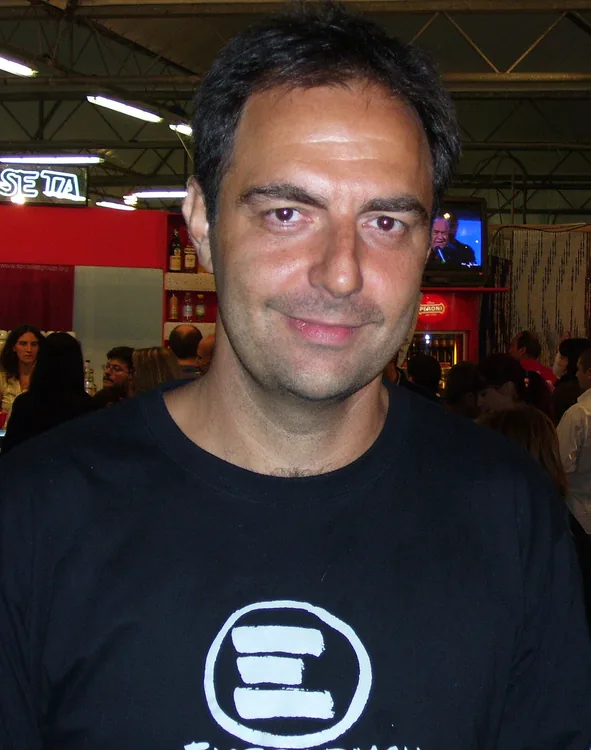
Italian entertainer Neri Marcorè, a voice actor, television presenter, singer, and impressionist, was born on July 31, 1966, in Porto Sant'Elpidio. His career began at age 12 with itinerant and television shows led by Giancarlo Guardabassi, and he frequently appeared on the radio station 'Radio Aut Marche' early in his career. He demonstrated his talent early on, winning a segment of 'La Corrida di Corrado' in 1988 and reaching the final of 'Stasera mi butto' in 1990 as the only amateur contestant. Marcorè’s professional journey includes diverse roles across film, television, and voice acting. He earned a diploma in parliamentary interpreting in English and German in 1990. From 1991 to 1992, he was part of the satirical strip 'TG X' on Rai 2. He debuted as a voice actor and in theatre in 1993, playing Pantalone in 'La finta ammalata'. He has appeared in 22 films and television shows since 1994, including Incantato (2003), which was entered into the Cannes Film Festival, Viol@ (1998), Bimba - È clonata una stella (2002), The Second Wedding Night (2005), Viva Zapatero! (2005), Pope John Paul I: The Smile of God (2006), Lessons in Chocolate (2007), The Tourist (2010), Fuoriclasse (2011-2015), Asterix and Obelix: God Save Britannia (2012), I Can Quit Whenever I Want (2014) and its sequel I Can Quit Whenever I Want: Ad Honorem (2017), Medici (2019), and My Paper Dolls (2023). He also participated in 'Il Pippo Chennedy Show' (1997) and 'L'ottavo nano' (2001). Marcorè’s voice acting work is extensive, encompassing numerous characters in the Italian dubs of The Simpsons , Looney Tunes , Merrie Melodies , and The Powerpuff Girls . He voiced Mr. Mackey and Big Gay Al in the first Italian dub of South Park , and also provided voices for How the Toys Saved Christmas , Momo , Kate - The Taming of the Shrew , Leo the Lion , Il Generale e i Fratellini d'Italia , and Hazbin Hotel . He narrated Silvio Forever and Figli del destino . From 2001 to 2011, he co-hosted the Rai 3 quiz show 'Per un pugno di libri'. He starred in the TV series Tutti pazzi per amore from 2008 to 2012 and debuted with the show 'Un certo signor G.' in 2008, an homage to Giorgio Gaber. He has also directed the Teatro delle Api in Porto Sant'Elpidio. In 2003, he received a David di Donatello nomination and won a Nastro d'argento for his performance in Il cuore altrove .
Antonio Eduardo Taranto, known professionally as Nino Taranto, was an Italian actor born in Naples on August 28, 1907. His parents were Raimondo Taranto, a tailor, and Maria Salomone. He had a younger brother, Carlo, who also pursued an acting career. Taranto’s early life involved performing; he began as a child actor in 1918 with local stage companies, debuting at the Teatro Centrale in Naples at age thirteen. He studied mime and dance, and later joined the company of Salvatore Cafiero in 1927, subsequently joining the Cafiero-Fumo theatrical company in 1928. Taranto’s career experienced a significant turning point in 1928 when he achieved success in the sceneggiata genre. He toured the United States that same year, utilizing the earnings to establish his own variety company. In 1933, Anna Fougez discovered him and launched him into revue performances, where he frequently performed alongside Wanda Osiris and Titina De Filippo. He debuted in dramatic theater and revue in 1933. His comedy style often featured macchiette characters, notably Ciccio Formaggio, created by Cioffi and Pisano, and Baron Carlo Mazza; a cut-off hat brim became a signature element of his comedic persona. Nino Taranto appeared in over 80 films between 1924 and 1971, eventually appearing in approximately 100 films throughout his career. Taranto’s filmography included appearances in Nonna Felicita (1938) and a prominent role in Anni facili (1953), for which he received a Nastro d'Argento (Silver Ribbon) award in 1953. He frequently appeared as Totò’s sidekick in the 1960s, collaborating with him on several films. From the mid-1960s to 1973, he starred in nineteen musicarelli films alongside popular singers. His work extended beyond film, encompassing television films, variety shows, radio programs such as Rosso e nero , Chicchirichì , and L'occhio magico , and recorded songs. He hosted Il fiore all'occhiello in 1958. In 1957, he starred in Bello di papà , which was later adapted for television in 1965. RAI produced a four-part documentary series about him, Taranto Story , in 1985. Nino Taranto died in Naples on February 23, 1986.
Paolo Hendel is an Italian actor, playwright, and comedian born on January 2, 1952, in Florence. As of 2024, he is 74 years old and a Capricorn. He began his career as a cabaret performer around the age of 30, collaborating with Florentine singer and actor David Riondino in the early 1980s. Early in his life, he held diverse jobs including gamekeeper, garage guardian, and detective. Hendel's comedy style is known for its satirical and surreal comic monologues. He started writing comedic monologues for theater in the 1980s, often co-writing them with Piero Metelli. From the mid-1970s, he created theatrical performances like 'Via Antonio Pigafetta, navigator,' which premiered in 1987, and later 'Caduta Libera' (1990/92). He began his television appearances in 1985 and hosted 'I martedì di Paolo Hendel' on Rai 3 from 1987 to 1988, satirizing figures such as Wanna Marchi, Silvio Berlusconi, and Umberto Bossi. He also appeared on ‘Teletango’ in 1987. Paolo Hendel gained widespread recognition in 1996 through his role as 'Carcarlo Pravettoni' on the Italia 1 variety show Mai dire Gol . CarCarlo Pravettoni, a cynical capitalist who ran for mayor of Milan and was portrayed as being based on figures like Silvio Berlusconi, became one of his best-known characters. He has appeared in several films, including It's Happening Tomorrow and The Week of the Sphinx , directed by Daniele Luchetti, and also starred in films by Mario Monicelli, Leonardo Pieraccioni, and Alessandro Benvenuti. He contributed to 'Comici su Italia 1' in 1998/99 and participated in the comedy program 'Rido' on Rai in 2000. Since October 2015, he has written a bi-weekly column called 'Kindergarten' for 'Unità'. In 2017, he debuted a new theatrical performance, 'Fuga da via Pigafetta,' and visited the Sollicciano prison to protest overcrowding. He published 'La giovinezza è sopravvalutata' with Marco Vicari in 2018 and has written three books including ‘Ma culo è una parolaccia?’ (1998) and ‘Come truffare il prossimo e vivere felici’ (2014). As of 2026, he will appear in the film 'Un Weekend Artificiale'.
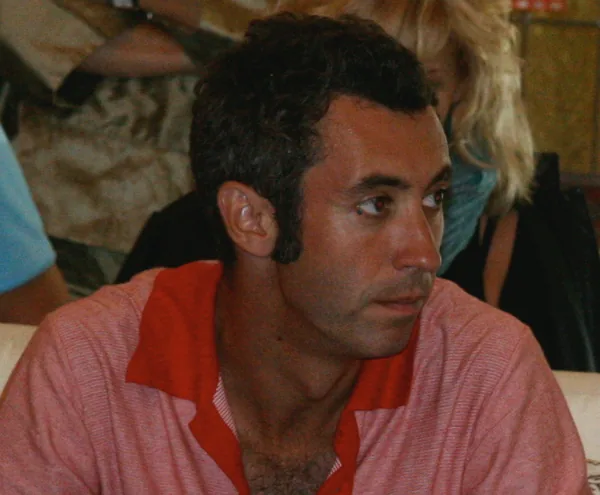
Paolo Kessisoglu, actor, comedian and Italian television host, is especially famous for creating, together with Luca Bizzarri, the comedian duo known as Luca and Paolo.
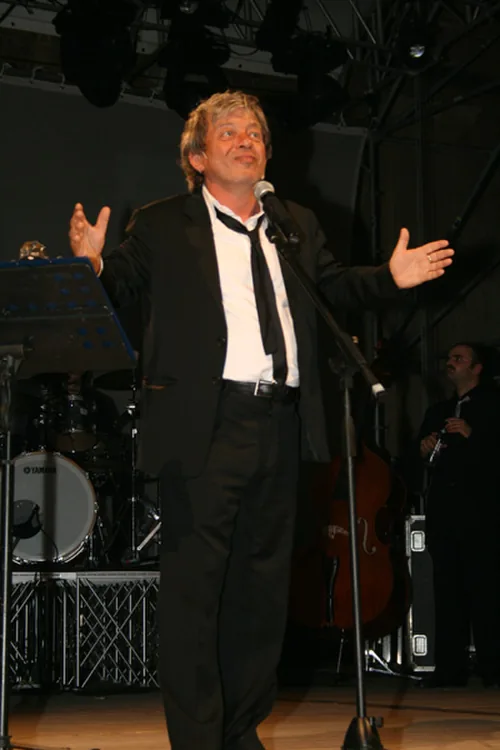
An Italian entertainer, Paolo Rossi works as an actor, writer, comedian, singer-songwriter, and appears on television. Born on June 22, 1953, in Monfalcone, Gorizia, he is considered Milanese by adoption. His father, Nello Rossi, also known as Lionello Rossi-Kobau, had a notable history, having fought voluntarily for the Italian Social Republic. Rossi’s early life included moving to Ferrara during adolescence and earning a diploma as a chemical technician; he even graduated as a chemical expert. He served in the military near Turin, commanding a tank and earning the nickname 'Captain Snow White' before being discharged as a sergeant. Rossi began his performance career in 1978, debuting on stage in Milan with Dario Fo’s Histoire du Soldat . He became a member of the ‘compagnia dell’Elfo’ and continued to work with them through the early 1980s, appearing in productions such as Nemico di Classe in 1983. His theatrical style draws inspiration from Commedia dell'arte, Brecht, and Molière, leading critics to describe it as an 'Italic middle way between Dario Fo and Lenny Bruce.' He expanded his reach with television appearances in variety shows like Su la testa and Il laureato , and made his film debut in 1986. His work from the mid-1980s includes roles in Carlo Vanzina’s films, Via Montenapoleone and Montecarlo Gran Casinò , and a stage production of Shakespeare's The Tempest . Since the early 1990s, Rossi has released several albums, collaborating with artists like Enzo Jannacci, Emir Kusturica, Vinicio Capossela, and Modena City Ramblers. He participated in the Sanremo Music Festival in both 1994 and 2007. His writing credits include Camerieri , for which he won a Silver Ribbon in 1996, and collaborations with Gino e Michele on works such as Recital , Chiamatemi Kowalski , C'è quel che c'è , and Operaccia Romantica . He has also staged socially conscious shows like The Times They Are a-Changin …Un'altra Volta …Again! and presented Milanon Milanin . From 1986 onward, Rossi was instrumental in the creation and success of the Zelig cabaret theater in Milan alongside Claudio Bisio and Silvio Orlando. He has performed for thirty years, spanning from clubs to large stages, traditional theater to cabaret, television, and circus tents, engaging with current events and representing both ancient and modern classics.
Born on July 25, 1963, in Rome, Sabina Guzzanti is an Italian who works as a satirist, actress, writer, and producer. She comes from a family involved in media; her father, Paolo Guzzanti, is a journalist and former politician. She has two siblings, Corrado Guzzanti and Caterina Guzzanti. After graduating from the Liceo Orazio in Rome and earning a diploma from the Accademia nazionale d'arte drammatica in 1985, she began her career performing on stage with her brother, Corrado. Guzzanti’s comedy style centers around examining social and political life in Italy. She gained popularity in the late 1980s and early 1990s through impersonations of figures like Moana Pozzi, Massimo D'Alema, and Silvio Berlusconi. Her early television appearances included Proffimamente non stop (1987) and Matrjoska (1988), the latter of which faced censorship and was renamed L'araba fenice . She also participated in the sitcom Ovidio in 1988 and appeared in programs like La TV delle ragazze during the 1990s, often alongside Serena Dandini. Throughout the 1990s, she performed comedy shows such as Con fervido zelo (1991) and Non io: Sabina e le altre (1994). A significant point in her career was the creation and hosting of the late-night political satire show Raiot (2003). This program, titled Raiot - Armi di distrazione di massa , proved controversial and sparked legal action from Mediaset. It was subsequently removed from RAI archives. Responding to this censorship, she directed the documentary Viva Zapatero! (2005), which received positive reception and earned her a Nastro d'argento award. She continued directing films such as Sympathy for the Lobster (2007) and Le ragioni dell’aragosta (2007). In 2010, she co-wrote, produced, and directed the documentary Draquila - L'Italia che trema , followed by directing Franca la Prima (2011), a tribute to Franca Valeri. She also created the stage show Sì, Sì, Sì….oh Sì! in 2011. Her appearances include roles in films like La trattativa (2014) and she hosted the TV show Un due tre…Stella! on La7 in 2012. Guzzanti has been a follower of Nichiren Buddhism and a member of Soka Gakkai International since 1987.
Antonio Rosato, a Canadian actor and voicer, is remembered for his participation in the cast of SCTV and Saturday Night Live, as well as for the voice of Luigi in cartoons The adventures of Super Mario (1990) and in its television series of 1991.
With the name of art Walter Chiari, born Walter Michele Armando Annicchiarico, was an Italian artist who made his career as an actor, comedian, cabarettist and television host.
Albania
1
Armenia
1
Argentina
24
Austria
28
Australia
22
Azerbaijan
1
Belgium
13
Bulgaria
31
Benin
2
Bolivia
1
Brazil
12
Canada
48
Switzerland
17
Chile
8
Cameroon
1
China
7
Colombia
2
Czech Republic
7
Germany
188
Denmark
17
Dominican Republic
1
Algeria
2
Estonia
5
Egypt
4
Spain
74
Finland
15
France
211
United Kingdom
148
Ghana
3
Greece
18
Guatemala
1
Hungary
7
Indonesia
8
Ireland
20
Israel
9
India
11
Iraq
3
Iran
6
Jamaica
1
Japan
35
Kenya
3
Korea, South
20
Kazakhstan
1
Lebanon
5
Latvia
1
Morocco
17
Myanmar
1
Malta
1
Malawi
2
Mexico
28
Malaysia
7
Nigeria
19
Nicaragua
2
Netherlands
2
Norway
12
Nepal
3
New Zealand
9
Peru
2
Philippines
35
Pakistan
7
Poland
8
Portugal
7
Qatar
1
Romania
1
Serbia
3
Russia
9
Saudi Arabia
4
Sweden
101
Slovenia
4
Slovakia
2
Thailand
2
Tunisia
4
Turkey
5
Taiwan
1
Ukraine
1
Uganda
7
United States
213
Uruguay
1
Uzbekistan
1
Vietnam
1
South Africa
2
Italy has a rich tradition of comedy that spans theatre, cinema, television, live performance and modern stand-up. Italian comedians have developed many different forms of humour over the years, from theatrical comedy and cabaret to observational stand-up, satire and sketch comedy.
GiggleTime's directory brings together Italian comedians, stand-up comedians, comedy actors, performers and other personalities connected to Italian comedy and entertainment. Browse the profiles above to discover comedians from different generations and learn more about their careers and work.
Stand-up comedy has become an increasingly visible part of the Italian entertainment scene, with performers appearing in comedy clubs, theatres, cultural venues and festivals across the country.
Italian stand-up comedians draw on a wide range of subjects, including everyday life, relationships, work, family, culture and contemporary society. Some performers focus on personal storytelling and observational humour, while others use satire, irony, characters or more experimental forms of comedy.
Milan and Rome are important centres for live entertainment and comedy, while comedians also perform throughout cities and regions across Italy. The growth of digital platforms has given emerging performers additional ways to build an audience beyond the traditional comedy circuit.
Cabaret has an important place in Italian comedy, connecting live entertainment with music, theatre, satire and humour. Italian cabaret has produced performers and comedy groups whose work has reached audiences through both live shows and television.
The country's theatrical comedy tradition also continues to influence modern performers. Italian comedians may combine scripted material, characters, physical comedy, improvisation and audience interaction rather than relying exclusively on the traditional stand-up format.
This mixture of theatrical and contemporary approaches gives Italian comedy a broad range of styles and performance formats.
Cinema and television have played a major role in introducing Italian comedians to wider audiences. Italy has a long history of comedy films and comic actors, with performers frequently moving between the stage, television and cinema.
Italian television has also featured sketch shows, variety programmes, comedy series and entertainment formats that have helped launch and popularise comedians. Some performers are primarily known as actors, while others have combined comedy with writing, directing, presenting or producing.
The connection between Italian comedy and cinema is particularly strong, with comic performances forming an important part of the country's film tradition.
The Italian comedy scene continues to change as newer performers experiment with different formats and ways of reaching audiences.
Alongside comedy clubs and theatres, comedians now use podcasts, YouTube, social media and streaming platforms to publish sketches, stand-up clips and other original material. These platforms have made it possible for emerging Italian comedians to develop audiences independently and reach viewers beyond their local area.
Traditional comedy and newer digital formats now exist side by side, creating opportunities for a wide variety of performers and styles.
Looking for Italian comedians, Italian stand-up comedians or comedy performers from Italy? Explore the GiggleTime directory above to discover comedians and comic personalities from different areas of Italian entertainment.
Use the search feature to find a specific comedian or browse the profiles to discover new names. Individual profiles may include biographical information, career details, performances, photographs and other interesting facts.
Whether you're interested in Italian stand-up comedy, Italian cabaret, comedy actors, Italian television comedians or famous Italian comedians, GiggleTime makes it easier to discover the people behind Italian humour.
The directory continues to grow as new Italian comedians and comedy personalities are added.