Chuck - GiggleTime cartoon comedian telling jokes
GiggleTime for Android
Free on Google Play
Get the app
GiggleTime - jokes, comedians and comedy shows GiggleTime
Menu
Go Premium Submit a Joke Comedians About FAQs Contact Add a comedian
Get the app
Follow us

Legal
Privacy Policy Terms of Service Cookie Policy Refund and Cancellation Policy Attributions
Login
Language
Categories
Settings
Language English English
Safe Mode
Random Jokes Autoplay
Notifications
Global Talent Directory

Comedians from Japan

The comedian directory for Japan: profiles, bios, photos and social links.

Add a comedian
Reset
35 comedians
Hisaya Morishige, comedian from Japan
Verified Unclaimed
Japan

Hisaya Morishige

Hisaya Morishige, a Japanese thespian and comic, was born in Hirakata, Osaka. After completing his studies at Kitano Middle School he went on to Waseda University. He first took the stage as an actor, later joining NHK as an announcer stationed in Manchukuo. His breakout in cinema came through a string of humorous parts, notably the “Company President” (Shachō) and “Station Front” (Ekimae) series produced by Toho. Over the course of his career he performed in almost 250 movies, spanning both modern settings and jidaigeki period pieces. On the theatrical board he earned acclaim for portraying Tevye in the Japanese staging of Fiddler on the Roof. Morishige also appeared in numerous television dramas and special programs, and in 1975 he became the inaugural guest on the talk show Tetsuko’s Room. He served for many years as the chairman of the Japan Actors Union, and in 1991 the Emperor honored him with the Order of Culture.

Verified Unclaimed
Japan

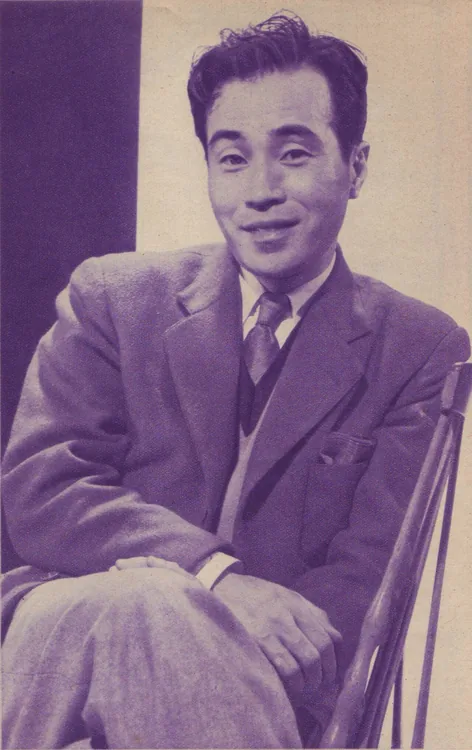
Isamu Nagato

Born in Kurashiki, Okayama Prefecture, Isamu Nagato pursued a career in acting, focusing mainly on comedic characters. Audiences came to know him best for his portrayal of Sakura Kyōjyurō in the Three Outlaw Samurai saga.

Kenichi Enomoto, comedian from Japan
Verified Unclaimed
Japan

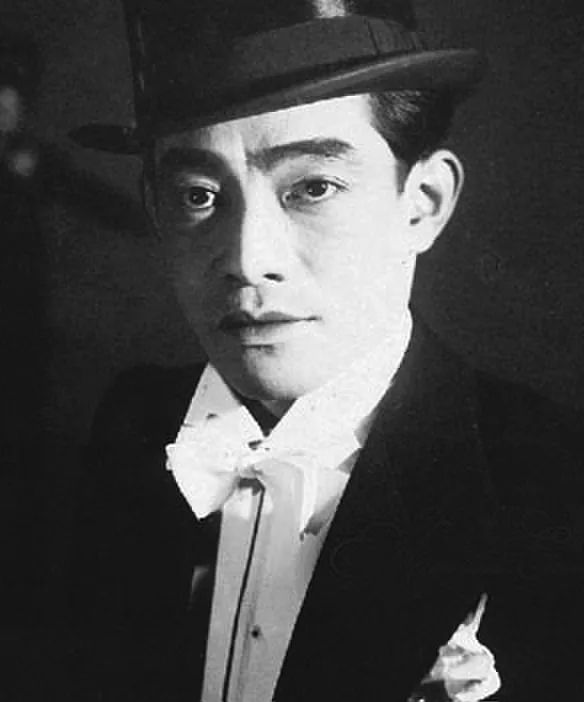
Kenichi Enomoto

Japanese comedian, actor, and singer Enoken (エノケン), born October 11, 1904, in Tokyo’s Aoyama district, was widely known across Japan. His given name was 榎本健一. He began his career on the stage in Asakusa in the 1920s, initially as a chorus boy in the opera 'Carmen' in March 1922 at the Kinryu Hall. From 1919, he was an apprentice to actor 柳田貞一 at the 'Konishi Grand Opera'. His parents owned a rice cracker shop, and an impromptu act of eating rice grains like a monkey around 1923 led him to pursue comedy. Enoken’s comedic style combined singing, dancing, acrobatics, and ad-libs. He significantly influenced Tokyo theatre before World War II through his stage shows, radio appearances, and film roles. Following the Great Kantō earthquake in 1923, he shifted his focus to comic theatre and performed comedic skits with friends in Kyoto. He joined the Casino Folies troupe in 1929, gaining popularity for its fast-paced and nonsensical humor, and briefly founded 'Casino-Fourlee' that same year. In 1930, he launched his own troupe, Enoken Gekidan. He starred in Enoken no Seishun Suikoden in 1934, directed by Kajirō Yamamoto, gaining national popularity, and later appeared in the first talking film, Enoken no Seishun Suito-den (1940). He collaborated with directors Kajirō Yamamoto, Nobuo Nakagawa, and Akira Kurosawa on films, including appearing in Kurosawa's Tiger Tail . His energetic movements on stage were a hallmark of his performances. Enoken continued to be a popular comedic actor throughout the pre- and post-World War II periods, often starring in historical drama and samurai drama films, parodying Japanese historical figures like Kondō Isami and Sakamoto Ryōma. He also appeared in other notable films such as Enoken no Chakkari Kinta , Enoken no Hokkai-bo , and Son Goku . He recorded many songs for Polydor, covering popular jazz songs and foreign tunes with altered lyrics. He was considered "The King of Comedy," and his era was often referred to as 'Enoken-Ryūpa' alongside Kokawa Ryūpa. He received the Purple Ribbon Medal in 1960. Unfortunately, necrosis of his right leg in the 1950s led to amputation and curtailed his career, although he made a comeback at the Shinjuku Koma Theater in 1963 with a prosthetic leg. He died on January 7, 1970, from liver failure at the age of 65, following a stroke caused by being defrauded during a tour of Taiwan. His contributions to Japanese entertainment are preserved in the NHK Archives.

Oizumi  , comedian from Japan
Verified Unclaimed
Japan

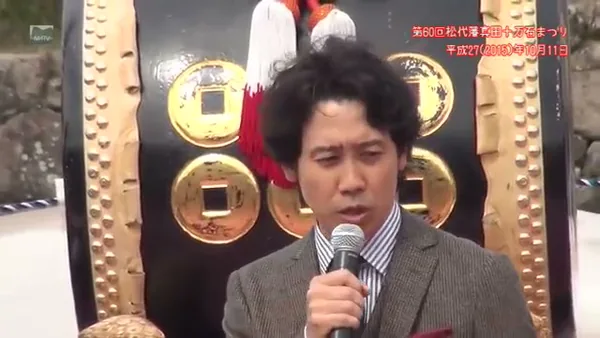
Oizumi

Yo Oizumi, often nicknamed Yo-chan, is a multifaceted entertainer born on April 3, 1973, in Ebetsu, Hokkaido. He has resided in Sapporo since 1984 and graduated from Sapporo Moiwa High School. Following a brief stint at Tokyo University of Social Welfare after failing university entrance exams twice, he pursued business studies at Hokkai Gakuen University, graduating in 1996. Standing at 178 cm tall, Oizumi is represented by Creative Office Cue and Amuse. Oizumi began his entertainment career in 1995, debuting on the late-night program Mosaic nights and portraying 2nd generation Genki-kun. He co-founded the theatrical and musical unit Team Nacs with friends in 1996, a group that would later achieve national recognition. From 1996 to 2002, he starred in the popular television series Wednesday's Downtown , which reached a peak viewership of 18.6% in 1999. He also participated in the Inada Troupe from 1995 to 2004 and the musical unit FAN TAN from 1995 to 2004. His film debut occurred in Gamera 2: Attack of Legion in 1996. Oizumi’s talents extend beyond television and theater; he is a singer, songwriter, voice actor, narrator, MC, comedian, impressionist, film director, author, director, screenwriter, lyricist, and composer. He voiced Professor Hershel Layton starting in 2007 and has contributed to several Studio Ghibli films including Spirited Away and Howl's Moving Castle . He gained further acclaim for his roles in films like River (2003) and winning the Japan Academy Film Prize for Best Actor in 2012 for Tantei wa BAR ni Iru . He has also appeared in numerous films connected to Hokkaido, including Happiness Bread (2012), Tears of Grapes (2014), and Sky Restaurant (2019), the latter winning an award at the Sonoma International Film Festival. Oizumi currently serves as the program director for SONGS since 2018, and hosted the NHK Kōhaku Uta Gassen from 2020 to 2022. He is also the MC for The Masked Singer Japan (2021) and will host a special anniversary broadcast in 2025. He released a compilation album, "YO OIZUMI ALL TIME BEST" in March 2024 and embarked on a recital tour culminating in a performance at Nippon Budokan. He is married to Kumiko Nakajima since May 2009, and became a father in 2011; his brother, Jun Oizumi, serves as the Mayor of Hakodate.

Pinko Izumi, comedian from Japan
Verified Unclaimed
Japan

Pinko Izumi

Pinko Izumi, also known as ピンクイズミ on comedy websites, is a Japanese actress and singer born Sayo Takemoto in Nihonbashi, Tokyo on September 11, 1947. She attended Tokyo Metropolitan Higashi-Shinagawa Second Elementary School and Shinagawa Municipal Hino Middle School before dropping out of Japan Music High School in 1966. Her early career began as a kayo enkagakusha (song and talk entertainer) under the name Mari Misaka, mentored by Makoto Maki. This period involved working at cabaret clubs, where she experienced difficult conditions including harassment and audience heckling. Izumi’s transition to television came in 1975 when her amusing speaking style led to a role as a reporter on Television Sanmen Kiji Weekender , prompting a name change to Pinko Izumi. Her initial report involved observing pig sexual behavior, and she quickly gained attention, leading to invitations into television dramas from TBS director Nobuichi Kamikata. She debuted as an actress that same year with Kobe International Gang and starred in her first drama, Hanafubuki Hashigo Kazoku . In 1977, she released her debut single, “Airen Chō” (Melancholy Butterfly), which achieved moderate success, reaching number 37 on the Oricon charts and selling 109,000 copies. She expressed a long-held desire to appear in the NHK Kohaku Uta Gassen , eventually achieving this goal in 2014. Pinko Izumi’s career has spanned decades and encompassed various roles in television, film, and stage. She is particularly recognized for her role as Fuji in the 1983-1984 NHK taiga drama Oshin , which earned her significant acclaim. She has frequently appeared in works by Bridda Sugita following praise from the scriptwriter of Oshin . She starred in Sanga Moyu (1984), Inochi (1986), and Onna Taikoki (1981) as Asahi no kata. Since 1990, she has been a mainstay in Wataru Seken wa Oni Bakari , playing Kojima Satsuki. She also appeared in Onna to Ai to Mystery from 2001 until the present and portrayed Kaneko Akiko in Blackjack ni Yoroshiku (2003) and Kato Kimie in Misora Hibari Tanjo Monogatari (2005). She starred in Old Car (2023) and is scheduled to appear in Zagin de Shisu! (2024). In 1989, she married gastroenterologist Motoe Kabemoto. Her contributions to Japanese entertainment were acknowledged in 2019 with the Commissioner of Cultural Affairs Award and the Order of the Rising Sun, 4th Class, Gold Rays with Rosette.

Verified Unclaimed
Japan

San'yūtei Enraku VI

San'yūtei Enraku VI, also known as 三代亭 圓楽VI, was a Japanese rakugo comedian and actor. Born Yasumichi Ai on February 8, 1950, in Tokyo’s Sumida ward, he became a master of rakugo, a traditional Japanese comic art of storytelling. He began his journey into the world of rakugo while attending Aoyama Gakuin University, studying under San'yūtei Enraku V. Initially known as San'yūtei Rakutarō, he started as a bag carrier for the 5th San'yūtei Enraku in 1970 and was later scouted. He graduated from the Faculty of Law at Aoyama Gakuin University. Enraku’s career progressed steadily through the 1970s and 1980s. He became a professional (ni-tsu-me) in July 1976 and joined the cast of ‘Rasen-chō’ on August 28, 1977. In 1978, he left the Rakugo Kyokai alongside his mentor due to a disagreement, subsequently joining the Rakugo Sanyū Kyōkai. His dedication to the craft was recognized with the Broadcast Entertainment Grand Prize Hope Award in January 1979 and he achieved full professional status (shingata) in March 1981. Nippon TV’s Shōten comedy show was a frequent venue for his performances, where he displayed his comedic abilities. Throughout his career, Enraku was also involved in organizing events. From 2007, he produced the Hakata Tenjin Rakugo Matsuri in Fukuoka city, a rakugo festival that continued with the help of Mamakana office. He inherited the name San'yūtei Enraku in March 2010, marking a significant milestone. While he faced personal challenges, including an admitted affair in 2016 and diagnoses of colorectal cancer around 2008, lung cancer in September 2018, and a brain tumor in July 2019, he continued performing. In January 2022, his agency announced he was undergoing treatment for a cerebral infarction and lung cancer. He held a duo performance with his disciple Izuchin Kazuo in June 2021. Lung cancer claimed the life of San'yūtei Enraku VI on September 30, 2022; he was 72 years old.

Verified Unclaimed
Japan

Sanma Akashiya

Sanma Akashiya, born Takafumi Sugimoto on July 1, 1955, is a Japanese comedian, television host, actor, and director. He originates from Kuzu-town, Higashimuro District, Wakayama Prefecture, but was raised in Nara City, Nara Prefecture. Represented by Yoshimoto Kogyo, he began his career with aspirations of becoming a rakugo comedian, training as a disciple of 2nd generation Shofukutei Shonosuke and debuting as Shofukutei Sanma. His mentor later recommended he transition to being a talent. Sanma Akashiya’s comedy style is often characterized by his ability to carry on conversations, frequently incorporating humor related to his protruding front teeth. He initially appeared on television in January 1976 on '11PM' and was part of the comedy unit ‘Beeru 7’ from 1977. He gained further recognition becoming a regular on 'Young Town' in Nara in October 1977, and later on 'Laughin' Good Time!' since 1980. His appearances in every episode of 'FNS 27 Hour Television' have earned him the nickname ‘Mr. 27 Hour Television’. He also starred in his first drama in December 1980, titled 'Nonki-kun'. Considered one of Japan’s "Big Three" comedians alongside Beat Takeshi and Tamori, Sanma Akashiya holds a significant place in Japanese entertainment. Throughout his career, Sanma Akashiya has maintained a prominent presence on television. He currently hosts several programs, including 'Odoru! Sanma Goten!!', 'Tūkai! Akashiya TV', 'Honmadekka!? TV', and 'Sanma Improvement Committee'. Actor Ken Watanabe married actress Shinobu Otake in September 1988; their relationship began during the production of the drama series Danjo Shichinin Natsumonogatari. In 1989, they welcomed a daughter, Imalu Otake, who commenced her career as an entertainer (tarento) in 2009, performing under the stage name IMALU. The couple divorced in September 1992 but remained friends and occasionally appear together on variety shows. Sanma Akashiya recently appeared as a guest on 'Shin jijitsu! Orinpikku-mei bamen saikyō-kin medal award' in July 2024.

Tony Tani, comedian from Japan
Verified Unclaimed
Japan

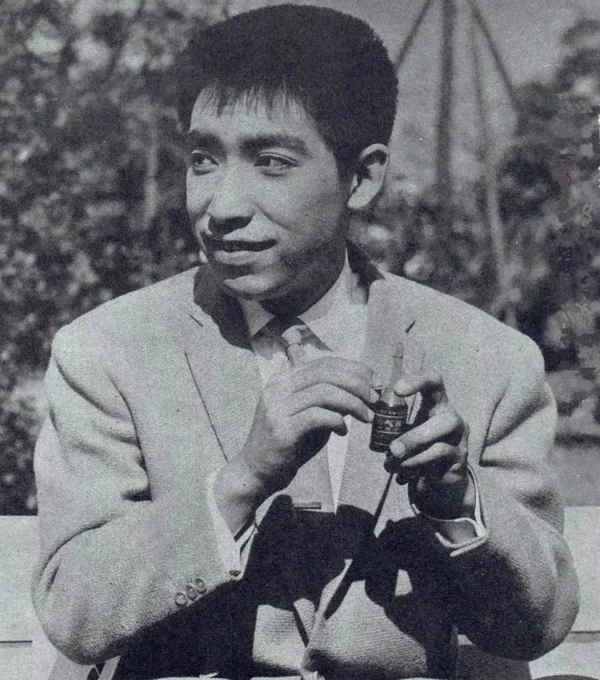
Tony Tani

In the 1950s, Tony Tani (トニー谷) rose to fame as a Japanese entertainer, and his over‑the‑top stage character mocked both the American caricatures of Japan and the cultural imprint left by the U.S. occupation.

Japanese Comedians and Comedy

Japan has one of the world's most distinctive comedy cultures, with a wide range of performers working across television, stand-up-style comedy, manzai, conte, rakugo, film, theatre and digital entertainment. Japanese comedy, often referred to broadly as owarai, includes many different formats and performance traditions rather than relying on a single style.

Tokyo and Osaka are major centers of Japanese comedy, with Osaka particularly associated with the country's manzai tradition. Television comedy shows and variety programs have also played a major role in making comedians familiar to audiences throughout Japan.

Popular Japanese Comedians

Japan has produced many comedians who have become major television and entertainment personalities. Well-known names associated with Japanese comedy include Takeshi Kitano, Hitoshi Matsumoto, Sanma Akashiya, Tamori, Shinsuke Shimada, Downtown, Cocorico, Sandwichman and Audrey.

Japanese comedians often work as part of comedy duos or groups rather than performing exclusively as solo stand-up comedians. Some have also become television presenters, actors, filmmakers, writers and producers, making comedy an important part of Japan's broader entertainment industry.

A newer generation of performers has also built audiences through YouTube, streaming platforms, podcasts and social media, adding new formats to Japan's established comedy traditions.

Japanese Stand-Up and Comedy

Japanese comedy includes several distinct forms. Manzai is a two-person performance in which comedians typically play contrasting roles, with one performer delivering setups and the other responding with jokes, corrections or rapid-fire comments. Conte is closer to sketch comedy, using characters and situations to create humorous stories.

Another traditional form is rakugo, in which a solo performer tells a humorous story while seated, using changes in voice and expression to portray different characters. These traditions exist alongside contemporary television comedy, improvisation and other forms of live performance.

Japanese comedians often explore everyday situations, relationships, social behavior, work and cultural observations. Wordplay, timing, exaggerated reactions and carefully developed comic characters can be important elements of performances.

Comedy in Japan

Television is central to Japanese comedy culture. Variety programs frequently feature comedians alongside actors, musicians and other entertainers, while comedy competitions and special programs provide opportunities for performers to gain national recognition.

Japan also has a strong live comedy infrastructure, particularly in Tokyo and Osaka. Comedy theatres and entertainment venues provide spaces for established acts as well as performers developing their material.

Digital platforms have added another dimension to the scene. YouTube, streaming services and social media allow Japanese comedians and comedy groups to reach audiences directly and experiment with formats outside traditional television.

Discover Comedians from Japan

Whether you're interested in Japanese comedians, manzai performers, comedy duos, traditional rakugo or contemporary Japanese comedy, Japan offers a remarkably varied collection of styles and personalities.

Browse GiggleTime to discover comedians from Japan, learn more about individual performers and explore Japanese comedy alongside comedians from countries around the world.