


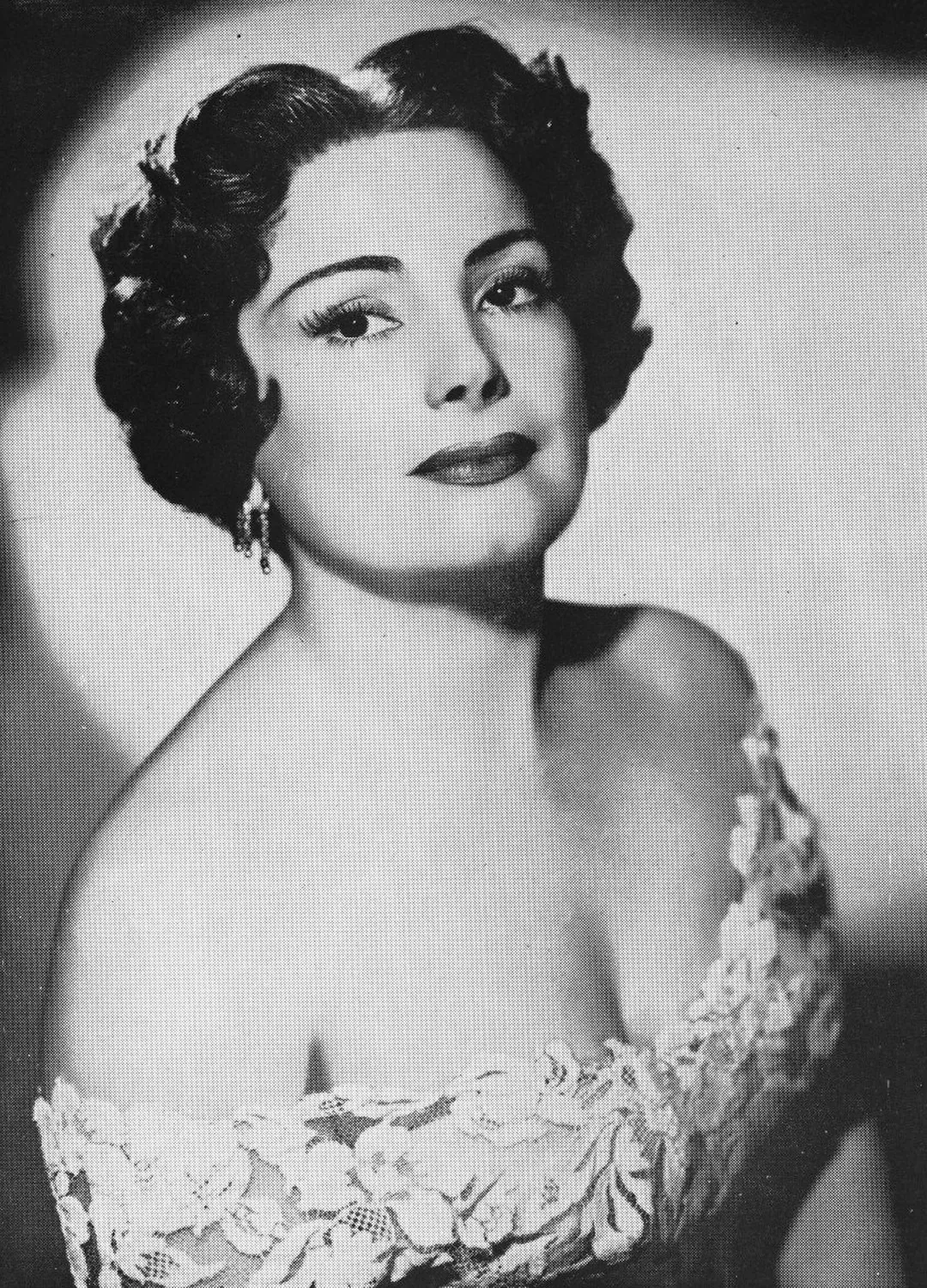
Niní Marshall
Biography
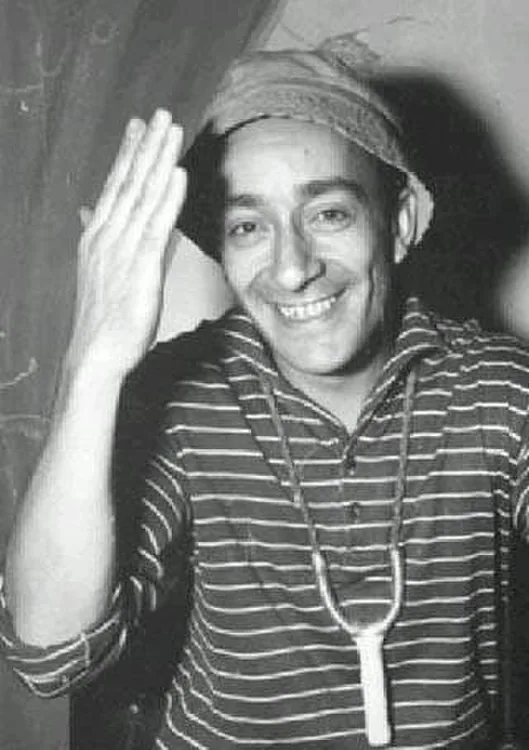
Niní Marshall, born Marina Esther Traveso on June 1, 1903, in Buenos Aires, Argentina, was an Argentine humorist, comic actress, and screenwriter. She died in Buenos Aires on March 18, 1996, at the age of 92. Known by nicknames such as 'The Chaplin with a skirt' and 'The Lady of Humour,' her career spanned several decades, leaving a significant mark on Argentine entertainment.
Marshall’s professional life began in her teens with work in advertising, followed by contributions to La Novela Semanal starting in 1933. She also worked as an entertainment critic and publicist for the radio variety show Sintonía until 1934, writing under the pseudonym Mitzy. Her early career included singing on Radio Municipal in 1936 under the name Ivonne D'Arcy, and a comedic duo with Juan Carlos Thorry. She developed the satirical characters Cándida and Catita, representing European immigrants, which became central to her comedy style. She debuted in film in 1938 in Mujeres que trabajan, where she also worked as a screenwriter. Between 1939 and 1940, she starred in three films directed by Manuel Romero: Divorcio en Montevideo, Casamiento en Buenos Aires, and Luna de miel en Río.
Marshall’s career faced challenges when the Argentine government banned her from radio in 1940 and cinema in 1943, citing “deforming the language.” This led to her exile in Mexico starting in 1950 after filming Mujeres que bailan. During this time, she continued working in film, theater, and radio, even filming a movie in Spain titled Yo no soy la Mata-Hari. She returned to Argentina in 1955 following Juan Perón's overthrow and starred in Catita es una dama (1956). Throughout her career, she created numerous other comedy characters, including Cosme, Doña Caterina, and Mónica Bedoya Hueyo de Picos Pardo Unzué Crostón. She received several awards, including a Sensación Radiofónica award in 1937, ACCA awards for best comedic actress in 1945 and 1947, and a Konex Award in 1981. She appeared in the popular television program Sábados circulares in the 1960s and performed over 1500 performances in the café-concert show ... Y se nos fue redepente starting in 1973. Her last film was ¡Qué linda es mi familia! in 1980. She wrote her memoirs in 1985 and was recognized with the Podestá award for lifetime achievement in 1992, as well as being declared 'Ciudadana ilustre de la Ciudad de Buenos Aires' in 1989.
Sources: Wikipedia (CC BY-SA), Wikipedia (CC BY-SA) · Checked