Chuck - GiggleTime cartoon comedian telling jokes
GiggleTime for Android
Free on Google Play
Get the app
GiggleTime - jokes, comedians and comedy shows GiggleTime
Menu
Go Premium Submit a Joke Comedians About FAQs Contact Add a comedian
Get the app
Follow us

Legal
Privacy Policy Terms of Service Cookie Policy Refund and Cancellation Policy Attributions
Login
Language
Categories
Settings
Language English English
Safe Mode
Random Jokes Autoplay
Notifications
Global Talent Directory

Comedians from Brazil

The comedian directory for Brazil: profiles, bios, photos and social links.

Add a comedian
Reset
27 comedians
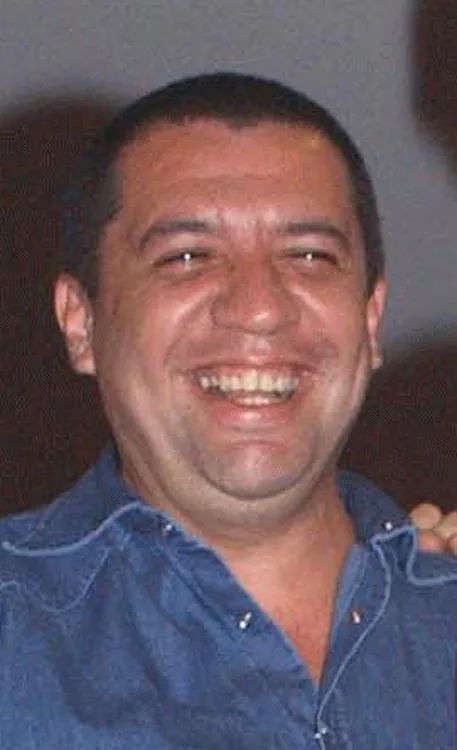
Bussunda, comedian from Brazil
Verified Unclaimed
Brazil

Bussunda

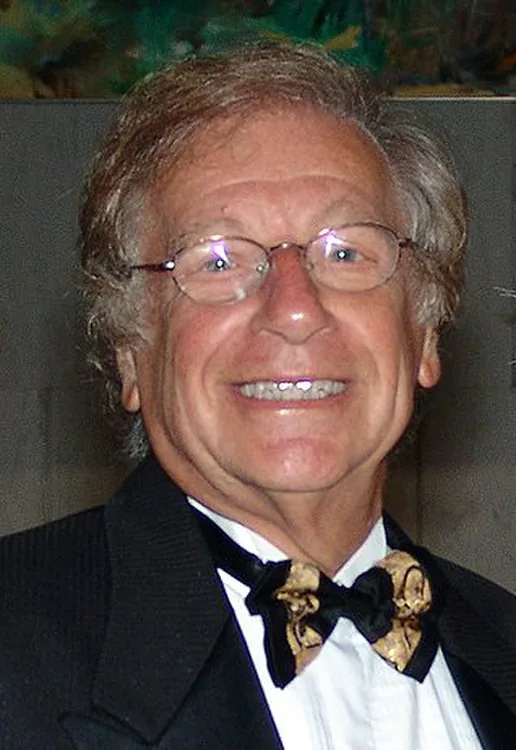
Cláudio Besserman Vianna, commonly known as Bussunda, was a Brazilian humorist and TV comedian. Having established the satirical magazine Casseta Popular, Bussunda started his writing career in the 1980s. Prior to a short period of study at Universidade Federal do Rio de Janeiro, he was involved with this publication. The collaborative efforts stemming from this initial work resulted in the establishment of the comedy troupe Casseta & Planeta in the late 1980s; its founding members were Helio de la Pena, Beto Silva and Marcelo Madureira. He appeared on television programs like Cabeça Feita (TVE Brasil) and TV Pirata , and became a prominent figure in Eu vou tirar você desse lugar starting in 1988. From 1992, he was a main cast member of Casseta e Planeta Urgente , which reached audiences of over 40 million weekly and premiered to instant success. Bussunda wrote for sports magazines such as Lance! and Placar , and co-authored eleven books with his Casseta & Planeta colleagues, releasing three albums and staging one play. Bussunda was known for his impersonations, particularly of football striker Ronaldo, who he portrayed as "Ronaldo Fofômeno," and Brazil's president Lula, whom he dubbed "Luiz Falar e facil.” He also voiced Shrek in the Brazilian Portuguese versions of Shrek and Shrek 2 . His work satirized politicians, musicians, sports personalities, and actors. He starred in the 2003 film A Taça do Mundo é Nossa and had a cameo role in Zoando na TV (1999). Cláudio Besserman Vianna' and a public school was named after him. A biography, Bussunda - A vida do Casseta , was released in 2010, and a docuseries titled Meu Amigo Bussunda appeared on Globoplay in 2021. Lula da Silva called Bussunda a “symbol of Brazilian creativity and irreverence,” and the Brazilian FA planned to dedicate a World Cup victory to him.
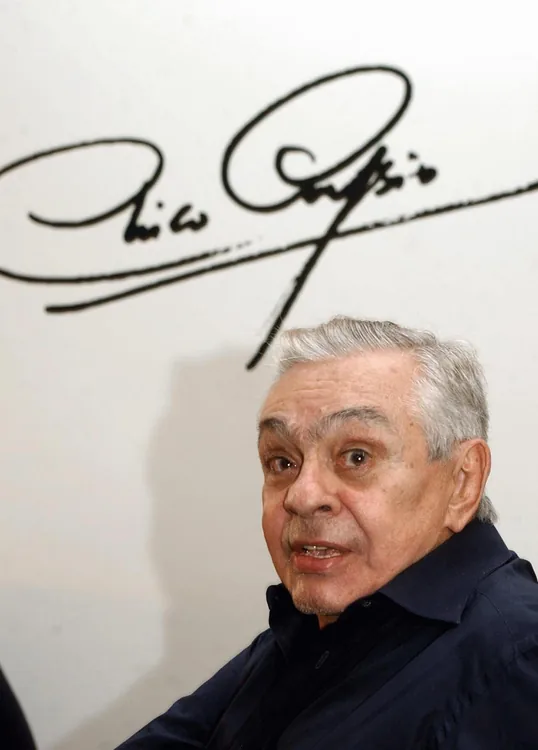

Chico Anysio, comedian from Brazil
Verified Unclaimed
Brazil

Chico Anysio

Francisco Anysio de Oliveira Paula Filho, known professionally as Chico Anysio, was a highly celebrated Brazilian comedian. Born on April 12, 1931, in Maranguape, Ceará, he moved to Rio de Janeiro with his family at age seven. He initially intended to become a lawyer and briefly attended law school, but ultimately pursued an artistic career. His journey began in radio in the 1940s, where he attempted to work at Rádio Guanabara as a child and later placed second in a radio announcer test, with Silvio Santos taking first place. He also worked as a commentator for football games on the radio. Chico Anysio’s career spanned 65 years and encompassed various roles: he worked as an actor, comedian, writer, and composer. He debuted on television in 1957 with 'Noite de Gala' and later transitioned to television, where he built his career. He joined Rede Globo in 1969 and became a star, aided by a close working relationship with Boni. Throughout his career, he collaborated with prominent Brazilian humorists such as Paulo Gracindo, Grande Otelo, Costinha, and Jô Soares. He also wrote dialogues and acted in films for Atlântida Cinematográfica in the 1950s and participated in the 'Papel Carbono' program by Renato Murce. His most famous program was 'Chico Anysio Show.' It was on from the 1960s to the 1980s. He could create and play more than two hundred funny characters, like Professor Raimundo, Justo Veríssimo, Nazareno, and Painho. Beyond television, Chico Anysio contributed to cinema, theater, and literature, writing books, scripts, and chronicles. He was the brother of actress Lupe Gigliotti, director Zelito Viana, and composer Elano de Paula, as well as the father of actors Lug de Paula, Nizo Neto, and DJ Cícero Chaves. His marriages included Regina Chaves and Malga Di Paula. Chico Anysio openly identified as an atheist. He received the Ordem do Mérito Cultural in 2009, Brazil’s highest cultural honor. He expressed dissatisfaction with Rede Globo in 1989, feeling they were favoring younger artists. Chico Anysio died on March 23, 2012, in Rio de Janeiro, due to multiple organ failure.

Denise Fraga, comedian from Brazil
Verified Unclaimed
Brazil

Denise Fraga

Denise Fraga is a Brazilian actress, producer, and columnist born in Rio de Janeiro on October 15, 1964. Her career began in the theater in the 1980s with Grupo Tapa, and she made her professional debut in 1985 in 'Conto de Inverno'. She transitioned to film in 1986 with 'Com Licença, Eu Vou à Luta', and subsequently appeared in 'Bambolê' (1987) as Amália, marking her entry into television. Early roles included appearances in ‘Barriga de Aluguel’ (1990), ‘A, E, I, O... Urca’ (1990), and ‘TV Pirata’ (1990–92). Fraga gained significant recognition for her portrayal of Olímpia in the comedy play 'Trair e Coçar É só Começar' from 1989 to 1995. Throughout the 1990s, she continued acting in various roles, including Ritinha in ‘Barriga de Aluguel’ (1990), Olga in ‘Éramos Seis’ (1994), Natália in ‘Sangue do Meu Sangue’ (1995), and Cousin Bazilio (1998). She starred in 'Por Trás do Pano' (1999), a film that garnered international acclaim and earned her the Grande Otelo award, as well as best actress awards at the Gramado and Havana Film Festivals. Her work also included roles in ‘O Auto da Compadecida’ (2000) and 'Uga-Uga' (2000). Denise Fraga’s career has continued with diverse roles, including Cristina in ‘Cristina Quer Casar’ (2003), Lydia in ‘The Sign of the City’ (2007), Norma in ‘Norma’ (2009), and Camila in ‘As Melhores Coisas do Mundo’ (2010), for which she won the Prêmio Guarani. She has also received a Prêmio APCA and two Prêmios Qualidade Brasil for her performance in 'A Alma Boa de Setsuan' (2008). Recent appearances include ‘Hoje’ (2011), earning her an APCA award and a Candango Trophy, ‘Kissing Game’ (2020), and ‘Um Lugar ao Sol’ (2021) where she returned to a fixed telenovela role after 25 years. In 2021, she was nominated for the Grande Otelo for her performance in 'Música para Morrer de Amor'. Currently, she is also a columnist for Crescer magazine.

Dercy Gonçalves, comedian from Brazil
Verified Unclaimed
Brazil

Dercy Gonçalves

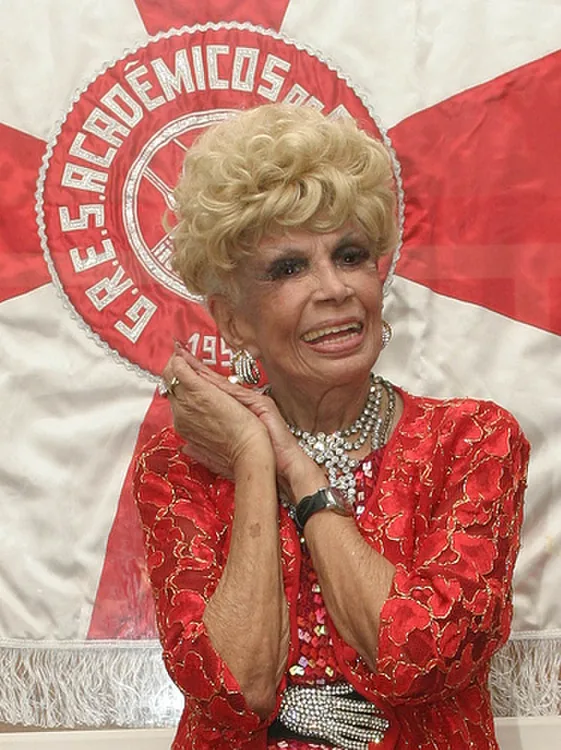
Dercy Gonçalves, born Dolores Gonçalves Costa in Santa Maria Madalena, Rio de Janeiro, on June 23, 1907, was a Brazilian actress, comedian, and singer. She used the stage name Dercy Gonçalves and enjoyed an 86-year career, beginning her work at a cinema ticket booth as a child. There, she learned makeup and acting techniques by observing films. At age 17, she left home to join a traveling theater troupe in Macaé, and later performed with the Maria Castro circus company. Her family had mixed heritage; her paternal grandmother was from Dacar (Senegal), her grandfather from Coimbra (Portugal), and another grandmother was 'almost Indian'. Gonçalves’s career included work in theater, revues, film, radio, and television. She achieved significant success at the ‘Casa de Caboclo’ theater in Rio de Janeiro starting in 1932. Around 1931, she formed a duo called 'Os Pascoalinos' with Eugênio Pascoal; however, their relationship ended when he left her due to tuberculosis. She became famous for her humorous use of vulgar language and was recognized as a prominent figure in Brazilian improvisational theater. Her style involved irreverent interviews and frequent use of profanity. In 1991, she caused controversy by exposing her breasts at Rio de Janeiro's Carnaval. Dercy Gonçalves’s remarkable longevity in the entertainment industry was formally recognized by Guinness World Records, which acknowledged her as having the longest acting career (1922-2008). A biography titled Dercy de Cabo a Rabo was published in 1994 by Maria Adelaide Amaral. Amaral later adapted this book into the 2012 miniseries Dercy de Verdade , portrayed by Luisa Périssé, Heloísa Périssé, and Fafy Siqueira. Gonçalves designed her mausoleum, shaped like a glass pyramid where she was buried standing up, as early as 1991. Pneumonia caused her death on July 19, 2008, at the age of 101; she was subsequently interred in Santa Maria Madalena, Rio de Janeiro.

Grande Otelo, comedian from Brazil
Verified Unclaimed
Brazil

Grande Otelo

O nome artístico Grande Otelo foi adotado pelo brasileiro Sebastião Bernardes de Souza Prata, conhecido como ator, humorista, cantor e compositor. Nascido em Uberlândia, ficou órfão na infância. Depois de fugir das famílias que o acolheram, encontrou estabilidade ao se dedicar à arte.

Heloísa Périssé, comedian from Brazil
Verified Unclaimed
Brazil

Heloísa Périssé

Heloísa Périssé, born Heloísa Perlingeiro Périssé de Farias on August 19, 1966, in Rio de Janeiro, is a Brazilian actress, humorist, author, and screenwriter. She began her career in 1988 with the play 'As Guerreiras do Amor' by Domingos de Oliveira, and subsequently studied acting at Casa das Artes de Laranjeiras and Teatro Tablado. Her television debut occurred in 1994 with the miniseries 'Incidente em Antares,' quickly followed by recognition as part of the cast of 'Escolinha do Professor Raimundo' that same year. She has established herself as a significant figure in Brazilian entertainment through her work on television and in theater, earning recognition for her comedic roles. Périssé’s career includes writing for the TV show Sai de Baixo , demonstrating her versatility as a creative force. She gained further prominence through appearances in numerous Brazilian television shows and films, including roles in 'Os Impagáveis' (1996), where she won the Mambembe Award, and 'Zorra Total' from 1999 to 2003. Alongside Ingrid Guimarães, she co-wrote and starred in the long-running play 'Cócegas,' which enjoyed a ten-year run. Her acting range is evident in her portrayal of Dercy Gonçalves in the miniseries 'Dercy de Verdade' (2012) and her role as Monalisa in the telenovela 'Avenida Brasil' (2012), for which she received a nomination for Best Supporting Actress. She has also appeared in 'Boogie Oogie' (2014), 'A Lei do Amor' (2016), and 'Segunda Dama' (2014) where she played twin sisters. Beyond acting, Périssé is an author, having written books including Mãe, Você Não Tá Entendendo and O Diário de Tati . She has been part of the main cast of 'Cine Holliúdy' from 2019 to 2023. Throughout her career, she has received numerous awards and nominations, including two Prêmio Qualidade Brasil awards, two Melhores do Ano awards, two Prêmio Extra de Televisão nominations, and two Prêmio Shell nominations. She was married to Lug de Paula for seven years; he is the son of Chico Anysio, making her the daughter-in-law of the renowned entertainer. Périssé has two daughters, Antônia and Luiza.

Henfil, comedian from Brazil
Verified Unclaimed
Brazil

Henfil

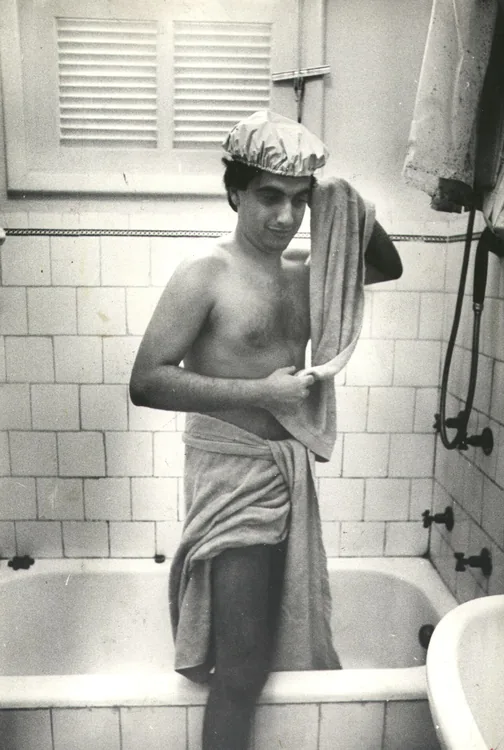
Henfil, born Henrique de Souza Filho on February 5, 1944, in Ribeirão das Neves, Minas Gerais, was a Brazilian cartoonist, caricaturist, journalist, and writer. Commonly known as Henfil, he began his career as an illustrator and cartoonist in the early 1960s, publishing work in Alterosa magazine in Belo Horizonte from 1964. His first successful characters, 'Os Franguinhos,' debuted in Alterosa, satirizing everyday life with nonsense and critical humor. He subsequently contributed to publications like Diário de Minas, Jornal dos Sports, Realidade, Visão, Placar, and O Cruzeiro. Around 1964, Henfil became active in Brazilian culture, contributing regularly to the Jornal do Brasil from 1969 and becoming a central figure in the satirical weekly 'O Pasquim,' which began publication in December 1968. He published the comic book 'Os Fradinhos' in 1970, featuring his most acclaimed characters. This work was significant as it became the first Brazilian comic book published internationally. Henfil’s work was marked by political activism and criticism of Brazilian political institutions; he created fictional characters to critique these institutions, including Fradim Baixim, his most famous creation, often associated with the phrase 'Top! Top!' He also created the 'Cemetery of the Undead' series in O Pasquim, satirizing figures perceived to support or ignore the military regime. Henfil’s career extended beyond comics, encompassing theater, film, and television. He directed and wrote the feature film Tanga in 1987 and worked as a writer for the TV Mulher program on Rede Globo from 1980 to 1984. He also wrote literature, including Diário de um Cucaracha in 1976. His work gained popularity in Brazil, appearing in all major Brazilian newspapers at the peak of his career. He attempted to work in the United States, but his work was deemed too aggressive for mainstream publication. Henfil died on January 4, 1988, in Rio de Janeiro, at the age of 43, due to complications from AIDS following a contaminated blood transfusion. He is remembered as a defender of freedom, justice, and human rights.

Juca Chaves, comedian from Brazil
Verified Unclaimed
Brazil

Juca Chaves

Jurandyr Czaczkes Chaves, known professionally as Juca Chaves, was a Brazilian composer, musician, and humorist. Born in Rio de Janeiro on October 22, 1938, he came from a family of Austrian Jewish immigrants, Josef Czaczkes and Clarita Wainstein. He spent his childhood in São Paulo and began composing music early on. From the age of 16 to 19, he wrote poetry, influenced by the Grupo Seresteiros de São Paulo. His career began in 1955 when he started performing humor on TV Tupi. Juca Chaves’s comedic style involved sharp criticism and satire. He recorded his first singles in 1957, including the waltz "Por Quem Sonha Ana Maria?" and a parody of then-President Juscelino Kubitschek titled “Presidente Bossa Nova.” During the 1960s, he presented the show 'Menestrel Maldito' near the Rodrigo de Freitas Lagoon, operating a circus called Sdruws. This circus, whose name was an acronym representing various terms including "snob" and "water-closet," served as a venue for his performances. He became known as the ‘menestrel do Brasil’ (minstrel of Brazil) and frequently used the catchphrase “Vá ao meu show e ajude o Juquinha a comprar o seu caviar,” followed by his signature laugh. His outspoken views led to difficulties during the Brazilian military regime. He was critical of the government, mainstream press, and the recording industry, which resulted in exile in Portugal in the early 1970s. Later, he moved to Italy as his satires gained popularity on television and radio. Upon returning to Brazil, he became a television presenter and founded the independent record label Sdruws Records in the 1980s. Juca Chaves also ventured into politics, running for senator in Bahia in 2006, finishing fourth with 19,603 votes, and for federal deputy in 2010. His popular songs include "Por Que Sonha Ana Maria?", "Pequena Marcha Para Um Grande Amor," and "Take me Back to Piauí," which appeared in the films I'm Still Here (2024) and How to Make a Killing (2026). He was married to Yara Chaves from 1975 and had two adoptive daughters. Juca Chaves died on March 25, 2023, at the age of 84 due to respiratory failure.

Marcelo Adnet, comedian from Brazil
Verified Unclaimed
Brazil

Marcelo Adnet

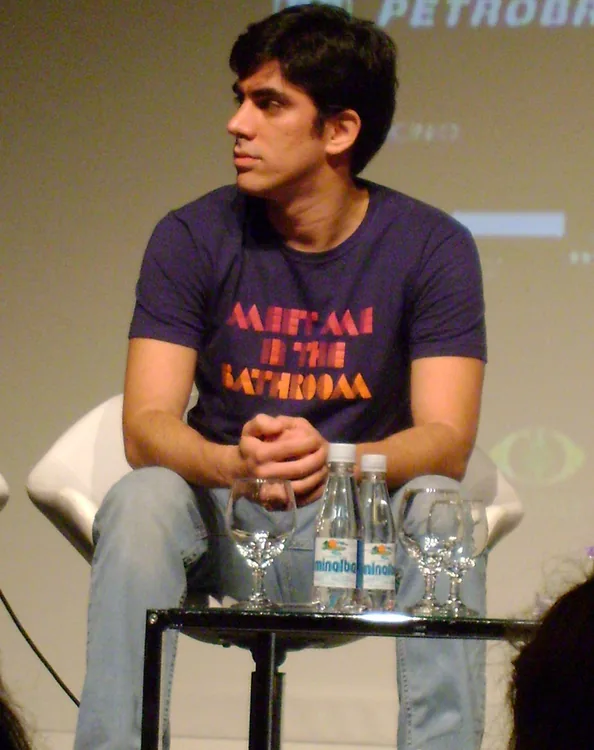
Marcelo França Adnet, a Brazilian actor, comedian and former VJ, has taken part in a variety of television projects, among them Adnet viaja (2012), Adnet ao vivo (2011) and the series Comédia MTV, which ran from 2010 to 2012. In 2009, Época magazine included him in its ranking of the 100 most influential Brazilians.

Nizo Neto, comedian from Brazil
Verified Unclaimed
Brazil

Nizo Neto

Francisco Anysio de Oliveira Paula Neto, known professionally as Nizo Neto, is a multifaceted entertainer born on April 27, 1964, in Rio de Janeiro. Chico Anysio, a performer and comic, along with actress Rose Rondelli, were his parents; Bruno Mazzeo and Lug de Paula are his siblings. Nizo Neto began his acting career in 1971, appearing on television with his father. His diverse talents encompass comedy, acting, voice acting (dublador), illusionism, writing, radio personality work, and public speaking. He studied theater at Teatro O Tablado. Nizo Neto is widely recognized for his role as Mr. Ptolomeu in the television series Escolinha do Professor Raimundo . Beyond live-action acting, he has a prolific career as a voice actor spanning over 25 years. He provides voices for numerous Portuguese-speaking movies, series, and cartoons, portraying characters like Presto in Dungeons & Dragons , Willycat in Thundercats , Heatblast in Ben 10 , Fozzie in Muppet Babies , and Dug in Up . He has also voiced Michael J. Fox, Seann William Scott, Matthew Broderick, and Patrick Dempsey in various projects. For three years, he wrote a column for the Portuguese magazine 'O Mágico' and contributed to comedy magazines like MAD. Nizo Neto’s work extends beyond acting and voice acting. He directed the Circulo Brasileiro de Ilusionismo (Brazilian Illusionists Circle) for two years, serving as its social director. He currently performs a solo humor show called 'Falando Sozinho' and presents the motivational lecture 'Histórias de Chico: O Segredo do Sucesso do Mestre do Humor'. He and his wife, psychologist/sex coach Tatiana Presser, collaborate on the lecture/comedy theater show Vem Transar Com a Gente . They also appeared together on Power Couple Brasil in 2018. Nizo Neto appears as an actor on Zorra on Rede Globo, though he left Globo in December 2017. He now hosts the podcast 'Nizológico' on the Plugado Podcast channel and voices Ralph Macchio in the Netflix series 'Cobra Kai'. He has been married to Tatiana Presser since his previous marriage to voice actress Nádia Carvalho ended in 1990; they have two daughters, Isabela and Sofia.

Tatá Werneck, comedian from Brazil
Verified Unclaimed
Brazil

Tatá Werneck

Talita “Tatá” Werneck Arguelhes, nascida no Brasil, desenvolve sua carreira como apresentadora, atriz, humorista, musicista, dubladora, roteirista e repórter. Iniciou os estudos de atuação aos nove anos e, com onze, já subia ao palco em sua primeira peça teatral. Seu primeiro passo na televisão aconteceu em 2008, ao integrar o programa Dilemas de Irene. Em 2010, passou a fazer parte da Quinta Categoria da MTV Brasil, participando ainda de diversos outros shows da rede até 2012.

Tiririca, comedian from Brazil
Verified Unclaimed
Brazil

Tiririca

Francisco Everardo Oliveira Silva, mais conhecido pelo nome artístico Tiririca, exerce carreira como ator, palhaço, comediante, humorista, político e cantor‑compositor no Brasil. Atualmente, ocupa uma vaga como deputado federal, representando o estado de São Paulo na Câmara dos Deputados do Congresso Nacional.

Brazilian Comedians and Stand-Up Comedy

Brazil has one of the largest and most diverse comedy scenes in Latin America, with Brazilian comedians working across stand-up comedy, television, film, theatre, radio, podcasts and social media. Brazilian humor is known for its variety, ranging from observational comedy and storytelling to satire, sketch comedy, characters and improvisation.

Comedy in Brazil is predominantly performed in Portuguese, and the country's enormous regional diversity gives comedians plenty of different cultural experiences and perspectives to draw from. São Paulo and Rio de Janeiro are major centers for live comedy, while performers from cities across the country have built audiences through television and digital platforms.

Popular Brazilian Comedians

Brazil has produced many comedians who have become widely recognized through stand-up, television, films and online entertainment. Well-known names associated with Brazilian comedy include Whindersson Nunes, Fábio Porchat, Afonso Padilha, Thiago Ventura, Bruna Louise, Rodrigo Marques, Murilo Couto, Danilo Gentili and Leandro Hassum.

Some Brazilian comedians are primarily associated with stand-up, while others have become actors, writers, presenters or producers. Many have also used YouTube, podcasts and social media to develop large audiences outside traditional television and theatre.

Brazil's comedy scene also includes performers working with different regional accents, cultural references and styles of humor, making it difficult to describe Brazilian comedy as a single genre.

Brazilian Stand-Up Comedy

Brazilian stand-up comedy has grown into an important part of the country's entertainment industry. Comedians perform in dedicated comedy clubs, theatres, cultural venues and large touring productions, while recorded specials and online clips allow performances to reach audiences throughout Brazil.

Common subjects include relationships, family, work, dating, friendships, technology and everyday situations. Brazilian comedians may also incorporate observations about regional culture and Brazilian society, often using personal experiences as the foundation for their material.

The growth of streaming platforms and online video has created additional opportunities for comedians to publish full specials, short clips, podcasts and other forms of comedy content.

Comedy in Brazil

Brazilian comedy extends well beyond stand-up. Television has played an important role in popularizing sketch comedy, sitcoms, variety programs and comedic characters, while Brazilian cinema has produced numerous successful comedy films.

Today, digital media is equally important. Comedians can build audiences through YouTube, Instagram, podcasts and streaming services, sometimes becoming widely known online before appearing in traditional media.

This combination of established entertainment and digital comedy has created opportunities for both experienced performers and a new generation of Brazilian comedians.

Discover Comedians from Brazil

Whether you're interested in Brazilian stand-up comedians, famous comedy personalities or emerging performers, Brazil offers an enormous variety of comedic styles and voices.

Browse GiggleTime to discover comedians from Brazil, learn more about individual performers and explore Brazilian comedy alongside comedians from countries around the world.