



Verified
Unclaimed
France
Chicandier
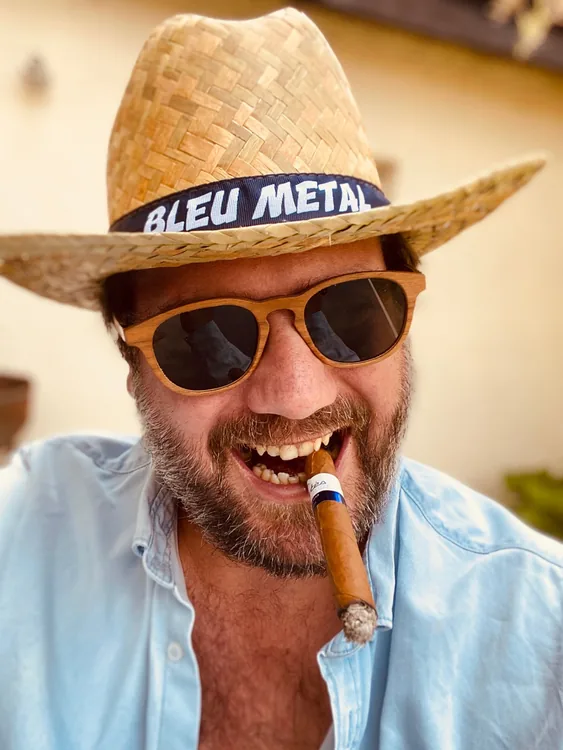
Born on 9 September 1978 in Bron (Rhône), Laurent Regairaz, alias Chicandier or Jason Chicandier, is a comedian, producer and actor in France.
Born on 9 September 1978 in Bron (Rhône), Laurent Regairaz, alias Chicandier or Jason Chicandier, is a comedian, producer and actor in France.
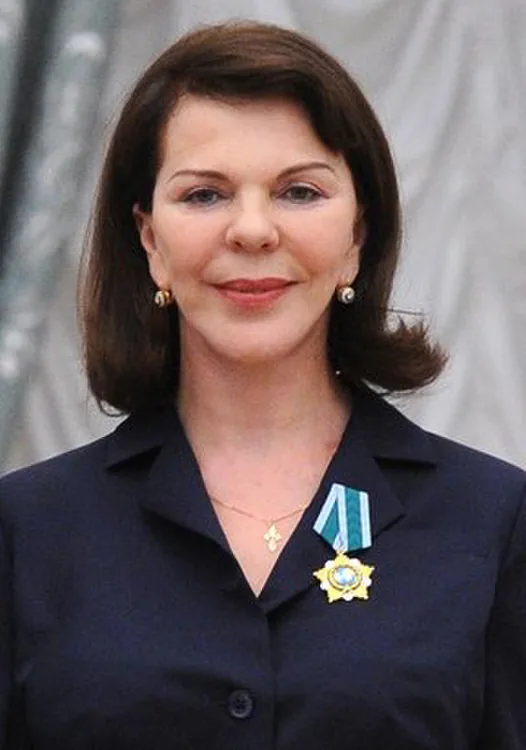
Consuelo de Haviland is a multifaceted artist, recognized as an actress, dancer, and writer. Born on April 28, 1955, in New York City, she holds both French and American citizenship, reflecting her Franco-American heritage. She comes from the distinguished Haviland porcelain family. Her early training included classical dance, with studies undertaken in both Paris and Sofia. She made an appearance in Lady Oscar (1979), portraying Oscar's partner at the black ball, and subsequently played Lisa in 37°2 le matin (1986). Other notable film credits include portrayals of Barbara in Hôtel du Paradis (1987), a 'tall brunette' in The Unbearable Lightness of Being (1988), and Corinne in Ne réveillez pas un flic qui dort (1988). She also starred as Liselotte Wagner in Dancing Machine (1990) and Elisa ‘Bunny’ Grimaldi in Sans Rancune (1992). Her television work includes a role in the episode 'Adolescence de l'art' of Maguy (1991), and appearances in Maigret voit double (2000) as Josette Keller, and Louis la brocante (2001) as Brigitte. She also played Betty Fersen in Le Maître du Zodiaque (2006). In 1996, she starred in Panique au Plazza at the Théâtre Marigny. Beyond her acting work, Consuelo de Haviland is also a published author, having released the novel Boulevard Dondoukov in 1987. She also appeared in the film 'A Private Affair' (2002). Her professional life extends beyond acting; she represents Russian Railways in France and contributed to the restoration of a railway link between Paris and Moscow. She was also an actress in La Fac en délire (1982), a Franco-German co-production about young people stealing a bus to reach their fiancées.
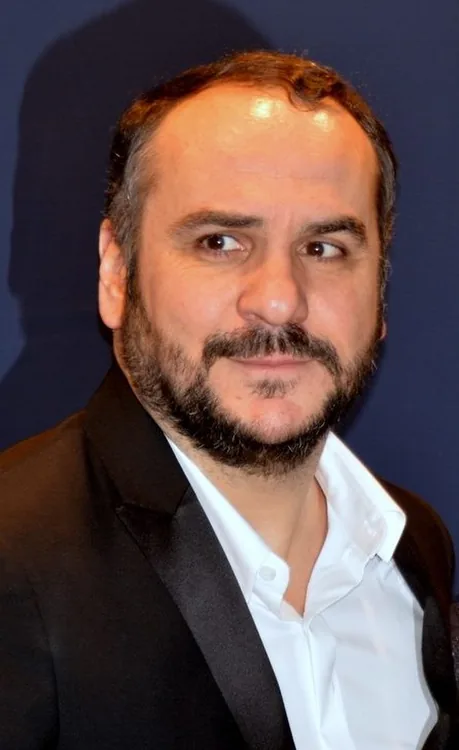
François-Xavier Demaison is a French actor and comedian, born on September 22, 1973, in Asnières-sur-Seine. His upbringing was shaped by his parents' professions; both are lawyers, with his father specializing in corporate law and his mother in social law. He attended Sainte-Croix de Neuilly school and later Lycée Pasteur of Neuilly-sur-Seine, completing preparatory classes. Initially pursuing studies in theater, he shifted his focus to economics and earned a master’s degree in law and a master's degree in political science from the University Paris-Nanterre in 1995. He briefly attended the IEP (Institut d'études politiques) of Paris before embarking on a career outside the performing arts. Before finding his place in comedy, Demaison held roles as an auditor and then joined Landwell & Associés (PwC), specializing in international taxation. This experience included an internship at their New York office in August 2001. A significant event during that period was witnessing the September 11th attacks from his Manhattan office. Following this traumatic experience, he returned to theater, demonstrating a renewed commitment to performing. In 2002, he invested €5000 to stage his own show, 'Act Two', which premiered at the Théâtre du Gymnase Marie Bell in Paris on December 2, 2002. Demaison's career has encompassed various roles and projects. He has appeared in music videos for Kool Shen and Kayliah, as well as small roles in films such as Tout pour plaire , Olé! , and L'Auberge rouge . A notable achievement was portraying Coluche in the 2008 biopic Coluche : L'Histoire d'un mec , earning him a César Award nomination for Best Actor in 2009. Other film appearances include roles in Disco , Le Premier Jour du reste de ta vie , La Chance de ma vie , Moi, Michel G., milliardaire, maître du monde , Le Petit Nicolas (where he played Bouillon), and Comme des frères . He also produced 'A story pour les gens qui believe in dreams' with Samuel Le Bihan. Demaison continues to work as a humorist and actor.
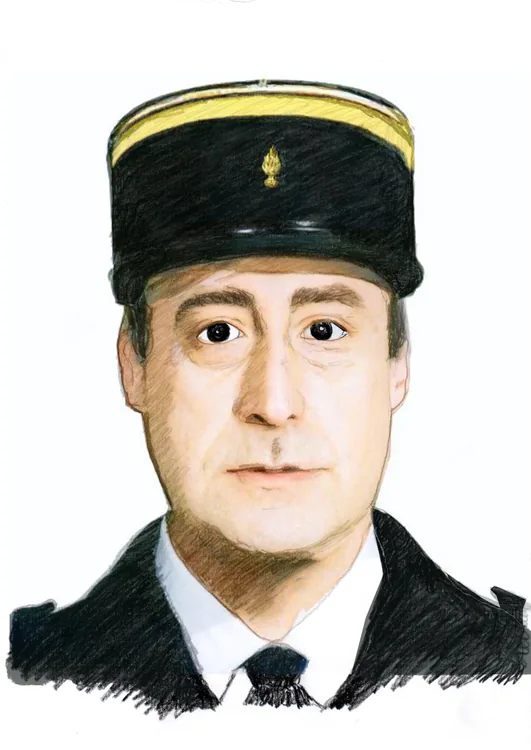
He performed under the pseudonym Guy Grosso throughout his career. From an early age, he demonstrated an interest in humor and theater, influenced by French comedies. His initial forays into performance began in the 1950s with roles in boulevard theater productions, including works by Georges Feydeau and Marc Camoletti; one notable early appearance was in 'Boeing Boeing' in 1960, where his comedic timing was recognized. Grosso’s career path shifted significantly following a meeting with director André Hunebelle. Grosso achieved considerable prominence through his association with Michel Modo, forming the comedy duo Grosso and Modo. This partnership led to significant roles in several popular film series. He appeared in the 'Three Musketeers' trilogy (1961) and 'Le Capitan', both directed by Hunebelle. Perhaps his most recognizable role was as Lucien Fougasse in the 'Gendarmes' series, which ran from 1964 to 1982 alongside Louis de Funès. Other film credits included a role as a waiter in 'Le Grand Restaurant' (1966) and portraying a loyal sidekick in 'Oscar' (1967). He also featured in 'L'Homme Orchestre' (1970), demonstrating his versatility. Throughout his career, Grosso continued to perform on stage, appearing in productions such as 'La Puce à l'oreille' (1970) and 'Un fil à la patte' (1980). Louis de Funès served as a major influence, with Grosso admiring his comedic energy and timing. He also drew inspiration from the works of Sacha Guitry, Robert Dhéry, Francis Blanche, Marcel Pagnol, and Georges Courteline. Guy Grosso continued acting until the late 1990s before his death on February 14, 2001.
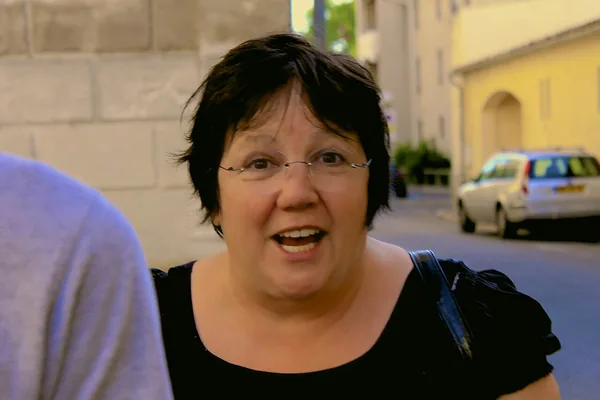
Huguette Dreikaus is a French, and specifically Alsatian, comedian and author. Born Marie Oster on August 26, 1949, in Dauendorf, Bas-Rhin, she currently resides in Haguenau. She began her career initially working as a German teacher before transitioning to writing and performance. Her work is deeply rooted in the culture of Alsace, and she delivers her humor in French, Alsatian, and German. She frequently receives invitations to parties and family celebrations, and enjoys the autumn season and wine festivals. Dreikaus’s comedy style encompasses a wide range of subjects, often drawing from local press and current events. She has created around ten shows and performs 'one woman show' performances. She wrote columns for Les Dernières Nouvelles d'Alsace and contributed to radio programs. Gilles Pudlowski described her as a 'stakhanoviste de choc' and a satirist with a big heart. Her prolific output includes numerous books, such as the annual Alsamanach , and titles like Le Monde d'Huguette (1997), Dame de cœur (1998), La passion selon Huguette (1999), Huguette, capitale de Noël (1999), Les Alsachiens (2002), and L'éternel Alsacien (2002). She also collaborated with Michel Charvet on books like Maigrir en Alsace (2004) and Salaisons d'Alsace (2004), and with Jack Meyer on Marie-Rose (2012). Beyond her stage performances and published works, Dreikaus maintains a strong presence in media. She hosts the segment 'Léonie' on France Bleu Elsass, commenting on current events humorously while portraying the character Léonie. She also has a regular segment called 'SHOW T’HEIM' on France 3 Alsace, and collaborates with Jacques Higelin on that channel. Since 2018, she teaches regional language and culture (LCR) at the Jean-Jacques Waltz middle school in Marckolsheim. Her contributions extend to entertainment beyond traditional media; she provided Alsatian elements for the Madame Freudenreich Curiosités attraction at Europa-Park in 2017, including concepts like Gugelhupf and a warm-hearted grandmother, which now features dinosaurs. A 26-episode animated series, 'DINO MATES - Holidays with Madame Freudenreich,' is planned for KiKa starting January 2026, distributed worldwide by Studio 100. She also presents the program 'La Pépites des Canards' produced by ICI Elsass, which features segments like ‘A güeder Plat du jour’ and ‘d’Huguette leuijt Blog,’ among others.
Marion Mezadorian is a French comedian and actress, born on February 19, 1987, in Aix-en-Provence. She grew up in the village of Saint-Cannat near Aix-en-Provence, where her childhood experiences, including accompanying her father to markets, influenced her observational humor. Her father is an Armenian native, and her mother is of Italian origin. She studied theater at the Atelier du possible in Les Bouches-du-Rhône, and later moved to Paris in 2005 after obtaining her baccalaureate to pursue acting. She continued her training at Cours Florent and Point-Virgule, aspiring to perform on the Point-Virgule stage like her idols, which included Élie Kakou, Gad Elmaleh, and Florence Foresti. Throughout this period, she also performed in various classical and contemporary plays. Marion Mezadorian's career expanded beyond acting, as evidenced by her earning a master’s degree in cultural financing from the Sorbonne. From 2016, she created her one-woman show 'Pépites', which brought her to prominence and earned her the SACD Fonds Humour award in 2016. She has also contributed to radio programs such as Europe 1, Rire et Chansons, Sud Radio, and France Inter. Her work has extended internationally, participating in several humor festivals from 2017-2018, including Voo Rire, ComediHa! Fest-Québec, and Performance d'Acteur. She appeared at the Marrakech du rire and Montreux Comedy Festival in 2019, and opened for Alex Lutz’s show at the Folies Bergères later that year. She has also starred in films like 'Une belle équipe' (2020) and 'Si on chantait' (2021), as well as earlier roles in 'Super Z' (2013) and 'Les fines bouches' (2011). Currently, Marion Mezadorian performs a one-woman show titled 'Humour – CRAQUAGE – Marion MEZADORIAN', or 'Humor – BREAKING THE TONGUE – Marion MEZADORIAN'. This show premiered at La Pépinière in 2025 and explores themes of frustration, release, and the urge to speak. The show is described as funny, enjoyable, astounding, and moving, and is suitable for all ages from 12 years old. 'Craquage' features 15 characters, including a baker, exasperated mother, and lovesick man, and blends humor with emotion to explore inner turmoil. Her previous show, 'Pépites', which was performed from 2016-2020 at venues like the Comédie des 3 bornes and Point-Virgule, also drew material from everyday life and interactions. Both shows have a duration of 1 hour and 15 minutes. She continues to tour with 'Craquage', with scheduled performances in Marmande on March 13, 2027, and at the Théâtre de la Renaissance on January 16, 2027.
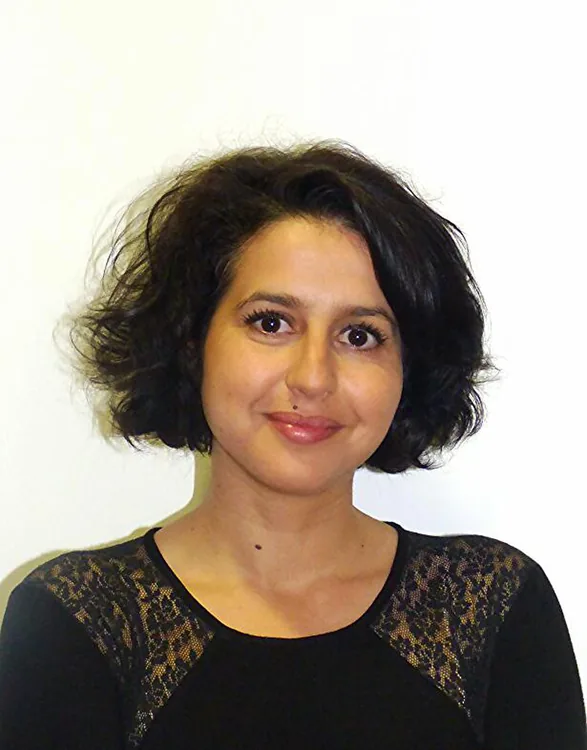
Nadia Roz is a French-Moroccan humorist and actress, born on July 14, 1979, in Colombes, in the Paris region. She began acting training at age eight at La Cave du Théâtre de Colombes, sparking an early interest in performing. In 1992, she briefly participated in a rap group called Les Holly Flips. After obtaining her baccalaureate, she studied Arts du Spectacle at La Sorbonne. Following her studies, Nadia Roz worked as a secretary to support herself while writing her first sketches. She debuted on stage in 2008 and, in 2009, co-founded the Le Connasse Comedy Club with other comedians, including Bérengère Krief. Her comedy style combines observation of daily life, self-deprecation, and colorful characters. She gained recognition with her show Ça fait du bien , which she performed for several years, culminating in a finale at the Olympia in 2017, attracting over 100,000 spectators. She has appeared in films such as Les Mythos (2010), where she played Nacera, and Les Nouvelles Aventures de Cendrillon (2017), portraying Blanche-Neige. Her television credits include roles in Bref , Scènes de ménages , Premier de la classe , La Vie scolaire , Commissariat central (2016-2019), and others. She participated in the Marrakech Comedy Festival in 2015 and 2017 after being noticed by Jamel Debbouze, receiving the Revelation of the Year award in 2015. In 2014, she won both the audience and jury prize at the Festival Mont Blanc d’humour. Currently, she regularly appears on the show Tout le monde a son mot à dire on France 2, and is on a national tour with her new one-woman show La Fille du 7ème . She will star in the police television film Ness et Rayan : Le droit chemin as Captain Ness in 2025.
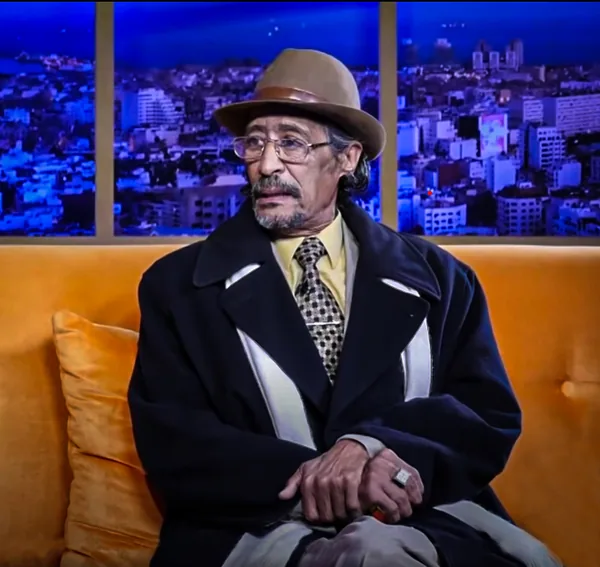
Noureddine Bikr, a Moroccan actor and comedian, was born on February 11, 1952, in the Derb Sultan neighborhood of Casablanca. At fourteen years old, he commenced his professional journey in 1967 by becoming a member of the Al Oukhouwa Al Arabiya troupe. He received instruction from Tayeb Saddiki at the Tayeb Saddiki school. Bikr's early training and involvement in theatrical groups laid the foundation for a prolific career that would span decades and encompass both stage and screen. Recognized as a prominent figure in Moroccan cinema, he has profoundly influenced the landscape of Moroccan entertainment. Bikr debuted as a comedian with Masrah al hay in the 1990s, achieving significant success during this period. He was known for his humor and adaptability, performing with the 'Al Hay Theater' group and starring in several theatrical productions. Among these, ‘Charrah Mallah’ and ‘Hab w Tben’ were particularly notable, with 'Charrah Mallah' often cited as one of his best theatrical works. His versatility extended to television, where he appeared in numerous soap operas and sitcoms, including the popular 'Sirb al Hamam' (1998), which marked Rachid El Ouali’s directorial debut. He also starred in ‘Serb al Hamam’ (1998) alongside Rachid El Ouali. Throughout his career, Bikr participated in a variety of film and television projects. He acted in 'Zeft (Asphalt)' (1984), directed by Tayeb Saddiki, and ‘La Garde du corps’ (1984). Later, he appeared in ‘Les griffes du passé’ (2015). In 2021, he took on a role in the sitcom 'Zawajtoka Nafis', a part that notably involved no dialogue. He passed away on Friday, September 2, 2022, at the age of 70, after battling a long illness that impacted his ability to speak. The Moroccan Syndicate of Dramatic Arts Professionals expressed condolences following his death, and he was buried in Rahma Cemetery in Casablanca. Despite rumors of his death due to throat cancer in 2019 proving false, Bikr’s passing marked the end of a career that significantly contributed to Moroccan entertainment.
Jérôme Léon, who calls himself Olivier Steiner, was born. February 15, 1976 in Tarbes, France. He worked as a writer, director and radio producer.
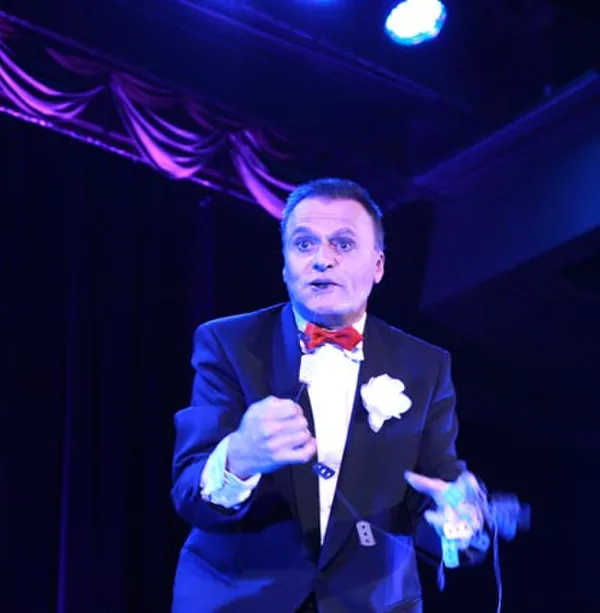
Otto Wessely, born on May 13, 1945, in Leoben, Austria, is a magician and humorist with dual Austrian and French citizenship. He began performing artistically around age 16, initially working in a chemistry company while studying and entertaining at the 'Wiener Prater' fairground from 16 to 23. From 1968 to 1970, he performed at the 'Variety Feigel' and later 'L'Apollo-show' at the Wiener Prater. Wessely is known for his magic-comedy act called 'Le prince de l'élégance,' characterized by chaotic hilarity. He specializes in illusionism involving canes and razor blades, offering close-up magic, stage magic, and cabaret performances. In 1972, he won the 'British Ring Shield' at the British Ring Convention in Llandudno, Wales. He spent three years performing at the cabaret Le Lucky Strip in Paris, and in 1973 appeared at the Olympia in Paris as an opening act for Mireille Matthieu. His performances frequently incorporate elements of absurdity and jubilation, influenced by surrealist Jean Cocteau. He is described as totally eccentric and his magic reflects this personality. Since the early 1970s, Wessely has been based in Paris and has performed at venues worldwide, including the Crazy Horse cabaret for seven years (1984-1993) and the Moulin Rouge for 20 years. He worked with Suzanne Somers and Charo at the Hilton's Moulin Rouge revue in Las Vegas in 1983. He received a 'Mandrake d'Or' award in 1993, and a 'Mandrake de Cristal' in 2013. Otto Wessely frequently performs with Christa and is considered one of the most well-known and appreciated French magicians globally. He currently performs in a cabaret show called 'Cabaret Magique' with Eric Antoine, as demonstrated on September 26, 2023, and will perform at the 'Spectacle de magie folle et comique' on July 18, 2023. A biography about him is titled 'Une Star Comme Tout Le Monde'.
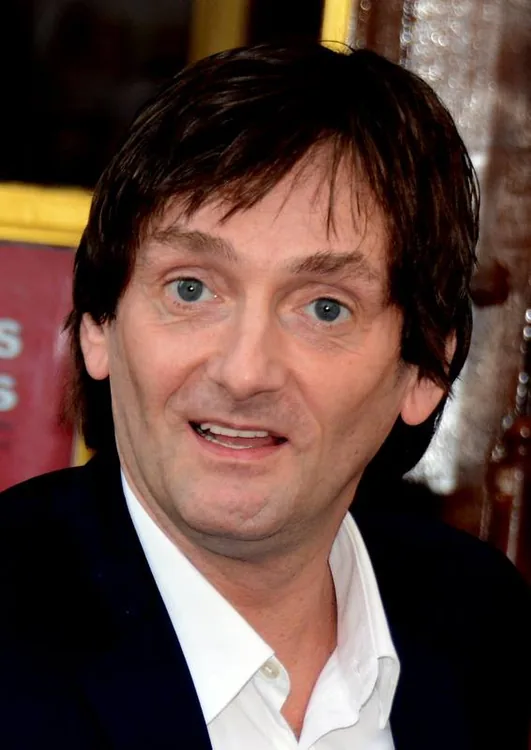
Pierre Palmade, born on March 23, 1968, in Bordeaux, France, is a multifaceted French entertainer. He functions as an actor, comedian, stage director, and playwright. Having attended Paul-Antin school, Alain-Fournier college, and Michel-Montaigne high school in Bordeaux, he abandoned HEC preparatory studies to pursue a career in Paris. Palmade gained recognition as a humorist in the late 1980s, initially participating in sketch comedy shows and later appearing on the television show La Classe in 1988. His comedic style frequently involves portraying unpleasant or irritating characters, and he is known for his style of comedy involving characters and situations. In the 1990s, Palmade transitioned to writing and performing his own stand-up acts and wrote a play, Pièce montée , for Jacqueline Maillan in 1991. He collaborated with Muriel Robin and Michèle Laroque on the Ils s'aiment series of plays, which debuted in 1996 and continued in 2001. These productions were nominated for Molière Awards, a prestigious French theater honor. Palmade also wrote for artists such as Jean-Marie Bigard, Mimie Mathy, and Guy Bedos. Palmade’s career extends beyond the stage; he has appeared in 67 films and written for 12 films, including co-writing Pédale douce and Pédale dure . He starred as Assurancetourix in Asterix and Obélix against Caesar (1998) and played Jacques Chazot in the biographical film Sagan (2008), which received negative reviews. From 1993 to 2021, he participated in the Enfoirés shows. He hosted the sketch comedy show Made in Palmade on France 3 from September 2007 to December 2007. In recent years, his life has been marked by legal and health challenges; he admitted to suffering from drug addiction in 2019 and faced drug-related charges. He was involved in a serious car accident in February 2023 while driving under the influence of cocaine, resulting in severe injuries to others and the death of a baby. As of November 2024, at age 56, he is confined at a residential treatment center with electronic tagging, facing charges including severe bodily injury and involuntary manslaughter.
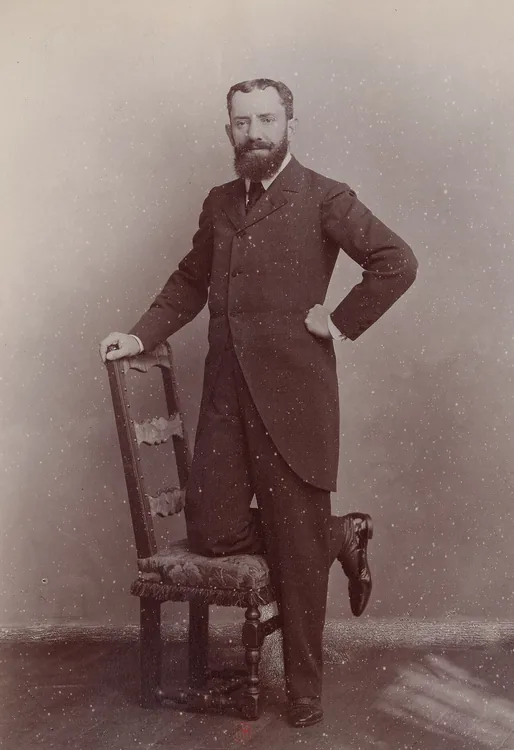
Étienne Grosclaude, born Frédéric Étienne Grosclaude in France, was a multifaceted figure known as a journalist, columnist, and humorist. He began his career at Le Gaulois and subsequently contributed to a wide array of publications including Figaro, Le Temps, L'Écho de Paris, La Liberté, Gil Blas, L'Illustration, L'Éclair, and La Revue des deux Mondes. Grosclaude also served as director of Le Journal and La République française, demonstrating his involvement in various aspects of the French press. He initially wrote under the pseudonym Philidor in Gil Blas, establishing himself within the literary landscape. Grosclaude’s comedic output was extensive, primarily taking the form of chronicles published across numerous newspapers and magazines. From 1886 to 1892, he published 'Les Gaietés de l'année,' a collection that included chronicles and news items; early volumes were illustrated by Caran d'Ache. His writing style, described by Jules Lemaître as exhibiting “universal irreverence,” “inventions of a dialectician,” and "foolish elegance," covered a broad range of subjects. He explored topics as diverse as Louis Andrieux, whom he compared to Vidocq and Rocambole in 'Les Gaietés de l'année,' alongside publishing books on President Wilson and the Transvaal War. Grosclaude’s humor was pervasive, even when recounting his travels. Significant journeys shaped Grosclaude’s work. In 1896, he embarked on a mission to Madagascar with Gallieni, sailing aboard the Yang-Tsé on August 10th and spending several months on the island. He subsequently traveled to the Transvaal with Cecil Rhodes. His account of Madagascar reflected his characteristic humor, uniquely ironizing both himself and the Malagasy people while presenting himself in a playful manner. Grosclaude received the Légion d'honneur in 1913 and married Alice Kohn that same year. He authored numerous works throughout his life, and his legacy continues through publications such as an anthology by Paul Acker, published in French on November 1, 2015.
 Albania
1
 Armenia
1
 Argentina
24
 Austria
28
 Australia
22
 Azerbaijan
1
 Belgium
13
 Bulgaria
31
 Benin
2
 Bolivia
1
 Brazil
12
 Canada
48
 Switzerland
17
 Chile
8
 Cameroon
1
 China
7
 Colombia
2
 Czech Republic
7
 Germany
188
 Denmark
17
 Dominican Republic
1
 Algeria
2
 Estonia
5
 Egypt
4
 Spain
74
 Finland
15
 United Kingdom
327
 Ghana
3
 Greece
18
 Guatemala
1
 Hungary
7
 Indonesia
8
 Ireland
28
 Israel
9
 India
11
 Iraq
3
 Iran
6
 Italy
136
 Jamaica
1
 Japan
35
 Kenya
3
 Korea, South
20
 Kazakhstan
1
 Lebanon
5
 Lithuania
1
 Latvia
1
 Morocco
17
 Myanmar
1
 Malta
1
 Malawi
2
 Mexico
28
 Malaysia
7
 Nigeria
19
 Nicaragua
2
 Netherlands
2
 Norway
12
 Nepal
3
 New Zealand
9
 Peru
2
 Philippines
35
 Pakistan
7
 Poland
8
 Portugal
7
 Qatar
1
 Romania
1
 Serbia
3
 Russia
9
 Saudi Arabia
4
 Sweden
101
 Slovenia
4
 Slovakia
2
 Thailand
2
 Tunisia
4
 Turkey
5
 Taiwan
1
 Ukraine
7
 Uganda
7
 United States
213
 Uruguay
1
 Uzbekistan
1
 Vietnam
1
 South Africa
2
France has a long and distinctive comedy tradition, with humour playing an important role in theatre, cinema, television and live entertainment. French comedians have developed many different forms of comedy over the years, from theatrical performances and classic satire to modern stand-up, sketch comedy and online content.
GiggleTime's directory brings together French comedians, stand-up performers, comedy actors, writers and other personalities associated with French comedy. Browse the profiles above to discover comedians from different generations and learn more about their careers and work.
Modern stand-up has become an increasingly visible part of the French comedy scene. Comedians perform in dedicated comedy clubs, theatres, cafés and other venues, presenting material that ranges from personal stories and observational humour to social commentary, satire and absurd comedy.
The French live comedy scene is particularly active in Paris, where performers can find numerous venues and audiences for both established shows and new acts. Comedy is also performed throughout cities and regions across France, giving comedians opportunities to develop audiences outside the capital.
French-language comedy also extends beyond France itself, with performers and audiences connected to the wider Francophone world.
One of the distinctive formats associated with French comedy is the one-man show, in which a comedian performs a full-length solo production for an audience.
These shows can combine stand-up, storytelling, theatrical performance, characters and scripted comedy. The format has become an important part of French popular entertainment and has helped many comedians develop a recognisable stage identity.
While contemporary French stand-up continues to evolve, the connection between comedy and theatrical performance remains an important characteristic of the country's comedy culture.
French comedy has a strong presence in cinema and television. Comedians frequently move between live performance, acting, writing and presenting, with many performers building careers across several forms of entertainment.
French television has produced numerous comedy programmes, sketch shows and entertainment formats, while French cinema has a long history of successful comedy films and memorable comic performances.
The relationship between stand-up and screen acting is particularly interesting in France, where a comedian may begin with live performances before moving into films, television or other forms of entertainment.
There is no single style that defines French comedy. Performers work across observational comedy, satire, parody, physical comedy, character-based performances, storytelling and improvisation.
Different generations of comedians have also brought different influences to the scene. Established performers continue to appear alongside newer comedians who use podcasts, YouTube, social media and streaming platforms to reach audiences.
This combination of traditional stage comedy and digital entertainment has created more opportunities for emerging French comedians to develop their own audiences and styles.
Looking for French comedians, French stand-up comedians or comedy actors from France? Explore the GiggleTime directory above to discover performers from different periods and areas of French entertainment.
Search for a particular comedian or browse the profiles to discover new names. Individual pages may include biographical information, career details, performances, photographs and other interesting facts.
Whether you enjoy French stand-up, comedy films, television comedians, one-man shows or classic French comedy, GiggleTime makes it easier to discover the people behind the humour.
Our directory continues to expand with new profiles, giving you more ways to explore the world of French comedy.