GiggleTime GiggleTime
Menu
Go Premium Submit a Joke Comedians About FAQs Contact

Legal
Privacy Policy Terms of Service Cookie Policy Refund and Cancellation Policy Attributions
Login
Language
Categories
Settings
Language English
Safe Mode
Random Jokes Autoplay
Notifications
Global Talent Directory

Comedians from Spain

The comedian directory of Spain — profiles, bios, photos, and social links for comedians from Spain.

Add a comedian
Reset
74 comedians
Arévalo, comedian from Spain
Verified Unclaimed
Spain

Arévalo

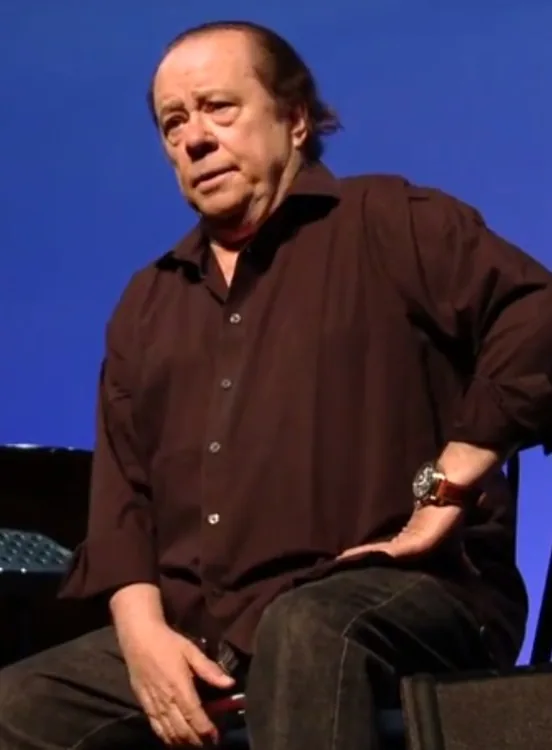
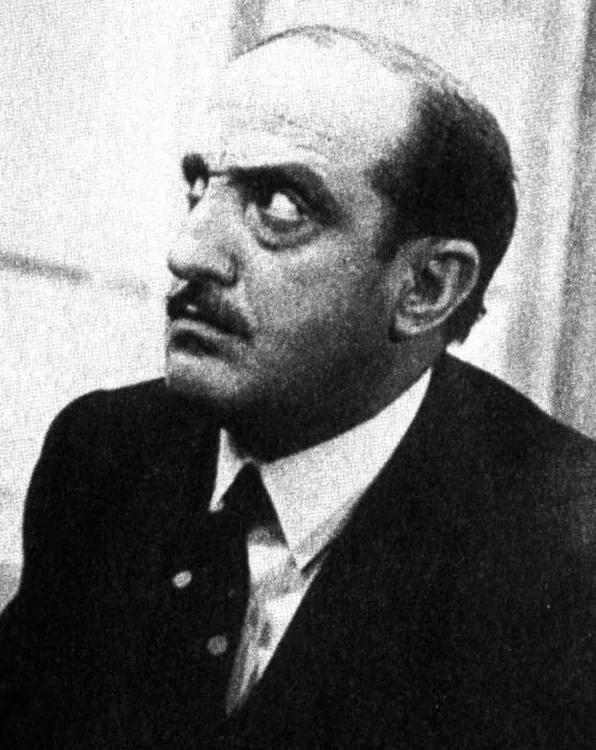
Francisco Rodríguez Iglesias, known professionally as Arévalo or Paco Arévalo, was a Spanish comedian and actor. Born on September 2, 1947, in Madrid, he spent his childhood in Catarroja, Valencia, and was raised there. He died on January 3, 2024, at his home in Valencia, leaving behind a career spanning several decades. He was 76 years old at the time of his death. Arévalo began performing in 1970, initially portraying a comedic bullfighter in ‘El Bombero Torero,’ a role that contributed to the origin of his nickname derived from his father's surname, who was also a comedic bullfighter. He gained prominence in the late 1970s and early 1980s with jokes about individuals he referred to as 'gangosos y mariquitas,' which he sold on approximately thirty cassette tapes. His popularity significantly increased starting in 1983 when he became a regular on ‘Un, dos, tres... responda otra vez,’ appearing in every edition of ‘Un, dos, tres... La Subasta’ until 2004. He also starred in several comedic films directed by Mariano Ozores between 1983 and 1985. Throughout his career, Arévalo appeared in numerous films and television shows, including Moscow Gold (2003) and Isi & Disi: High Voltage (2006). He hosted ‘Arévalo y Cía’ on Antena 3 in 1997 and participated in the reality show 'La Granja' in 2005. From 2007 to 2009, he frequently appeared on ‘La tarde con María’ on Canal Sur. He also starred in plays such as 'Dos Mellizos' with Bertín Osborne in 2011 and collaborated on the television program ‘Sábado Deluxe’ from April 21, 2018. His humor, initially celebrated, was later described by critics as 'grotesque and stale,' leading to the phrase 'to look like an Arévalo joke' becoming a descriptor for that style of comedy.

Consuelo Guerrero de Luna, comedian from Spain
Verified Unclaimed
Spain

Consuelo Guerrero de Luna

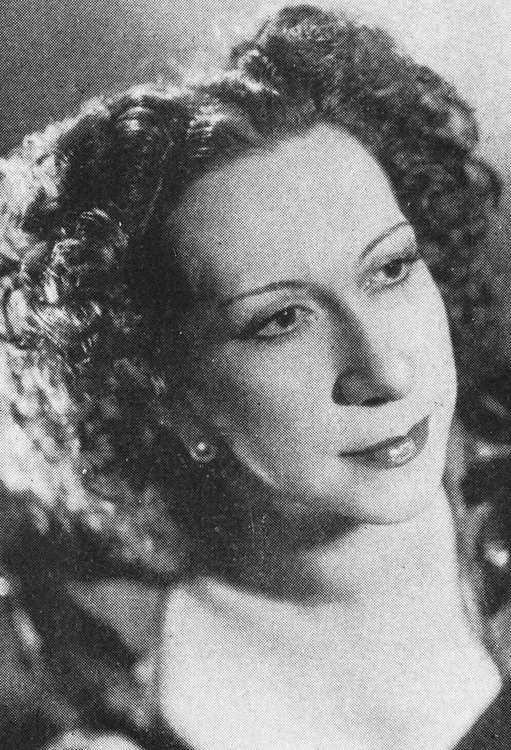
Consuelo Guerrero de Luna, born Consuelo Texidor Mendo in Madrid on March 9, 1905, was a Spanish actress and comedian. She began her career on stage in 1924 at the Teatro de la Zarzuela in Madrid, and subsequently performed with Ricardo Calvo Agostí's dramatic company. Her sister, Irene Guerrero de Luna, also pursued an acting career, specializing in voice acting. Following the Spanish Civil War, Consuelo Guerrero de Luna emigrated to Mexico in the late 1930s after being exiled. She quickly established herself in Mexican cinema, appearing in over fifty films throughout her career. Her film debut occurred in 1941 with Oh, What Times, Don Simon! , and she also appeared in The Unknown Policeman that same year. Throughout the early 1940s, she starred in several films including When the Stars Travel (1942), I Danced with Don Porfirio (1942), and Arriba las mujeres (1943). She also acted in Resurrection (1943) and Summer Hotel (1944), as well as The Daughter of the Regiment (1944) and The Lieutenant Nun (1944). Notable films from her later career include The White Monk (1945), The Thief (1947), Spurs of Gold (1948), In the Palm of Your Hand (1951), and Take Me in Your Arms (1954). Beyond film, Consuelo Guerrero de Luna participated in theatrical productions such as 'El derecho a nacer', 'La loba', 'Los cuatro caminos', and 'La locura de los ángeles'. She also contributed to television, appearing in soap operas Murallas blancas and Amar fue su pecado in 1960. She spent her final years living in a house provided by the National Actors Association (ANDA). Consuelo Guerrero de Luna died in Ciudad de México on October 11, 1972.

David Fernández Ortiz, comedian from Spain
Verified Unclaimed
Spain

David Fernández Ortiz

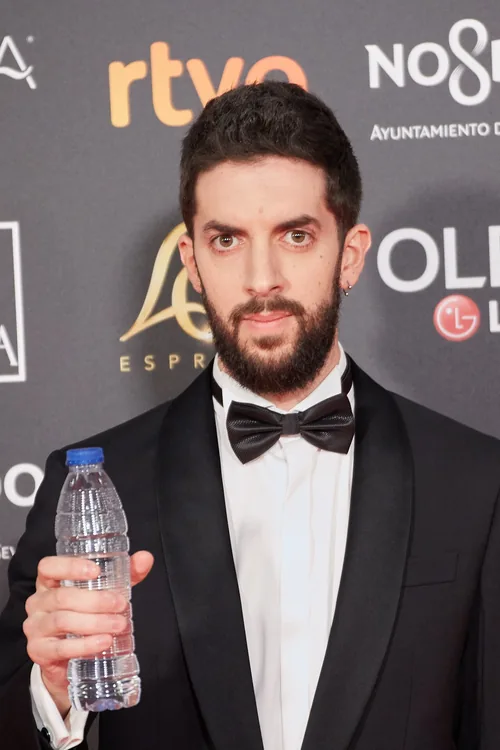
David Fernández Ortiz, born in Igualada, Barcelona on June 24, 1970, is a Spanish actor, voice actor, and humorist. He is recognized primarily for his comedic character, Rodolfo Chikilicuatre. Fernández’s background includes studies in industrial jewelry and involvement with the theatrical company La Cubana starting in 1998, which led to appearances in the TV series 'Me lo dijo Pérez'. His early collaborations began in 2002 with the Catalan production company El Terrat, further establishing his presence in the Spanish entertainment landscape. Fernández’s career gained significant momentum through his work with Andreu Buenafuente. He initially appeared on the show 'Una altra cosa' (2002-2004), where he developed characters like El Gilipollas and El Extremeño que quería ser Vasco, followed by continued collaboration on 'Buenafuente' (Antena 3 and La Sexta). It was on Buenafuente that he first introduced Rodolfo Chikilicuatre as an improvisational act. In January 2008, Fernández presented Ricardo Rosanti, claiming to have invented a vibrator-guitar, before returning as Chikilicuatre to perform 'Baila el Chiki-chiki' on February 5, 2008. The song 'Baila el Chiki-chiki', written by Santiago Segura and composed by Pedro Guerra, became a defining moment in Fernández’s career. It parodies reggaeton music with jokes and political references, and was entered into the Spanish selection process for the Eurovision Song Contest 2008. Despite some considering its selection a gimmick, Rodolfo Chikilicuatre won the selection with 56.28% of the votes. Fernández modified the lyrics in March 2008 to comply with Eurovision rules, removing political references and increasing the song's length. He performed 'Baila el Chiki-chiki' at the Eurovision Song Contest 2008 on May 24, 2008, achieving Spain’s best placement since 2004. Since then, Fernández has continued to work in various media, appearing in shows like 'Gala Inocente, Inocente', 'Pelotas', 'Crackovia', and 'Me resbala', demonstrating his versatility as a comedian.

El Gran Wyoming, comedian from Spain
Verified Unclaimed
Spain

El Gran Wyoming

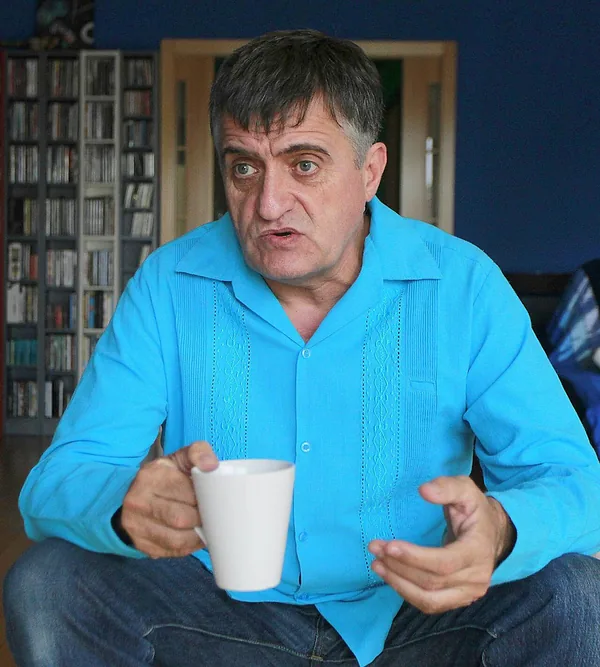
José Miguel Monzón Navarro, known professionally as El Gran Wyoming or simply Wyoming, is a Spanish comedian, musician, writer, and television presenter. Born in Madrid on May 15, 1955, he hails from a family of pharmacists with roots in Cuenca. His early life included attendance at the OJE and Opus Dei. He pursued studies in medicine, graduating before abandoning it to dedicate himself to entertainment; he briefly worked as a doctor while fulfilling military service. Wyoming’s diverse career began with musical endeavors, playing in the group Paracelso and performing comedic-musical shows with pianist Ángel Muñoz Alonso during the Madrid Movida era. Wyoming's television work spans several programs, including Silencio se juega (1984), La noche se mueve (1992-1993), and El peor programa de la semana (1993). The latter was suspended before an interview with Quim Monzó due to concerns about potentially offensive jokes. He also presented the Spanish version of Caiga quien caiga (1996-2003) alongside Juanjo de la Iglesia and Javier Martín, a show that earned around thirty awards, including an Ondas and a TP de Oro. Wyoming’s writing includes several books, beginning with Un vago, dos vagos, tres vagos in 1990, followed by Te quiero personalmente (1993), Las aventuras del mapache (1997) – a children's book – and Janos, el niño que soñaba despierto (2000). He co-founded the record label 18 Chulos in 1999 with several other entertainers. Since 2006, Wyoming has hosted El Intermedio on La Sexta. The program has faced legal challenges; in 2016, it was ordered to pay €35,380 in compensation for displaying a woman's topless picture without consent. He also wrote a column called Asuntos & Cuestiones for the newspaper Público. Wyoming’s books No estamos locos (2013) and No estamos solos (2014) achieved significant success, with the former selling over 100,000 copies in more than eight editions. He contributed to the documentary film Hay motivo (2004). Wyoming’s comedic influences include English comedian Benny Hill, an appreciation he shared with Santiago Segura and Álex de la Iglesia. A graphic novel, El Gran Wyoming. Mil palos y ninguno al agua , was published in 2024.

Enrique Serrano, comedian from Spain
Verified Unclaimed
Spain

Enrique Serrano

Serrano began his career at the age of eleven around 1902 with Humberto Zurlo's company, performing in 'Tranquera'. He also worked as a stagehand and prop master for Pepe Podestá’s troupe, and performed in circuses under the names Tony Tranquerita and Pierrot Saltarín. He studied at the Labardén Children's Theater, demonstrating an early commitment to performance. Serrano’s film career began in 1910 with La batalla de Maipú , followed by another silent film, Hasta después de muerta , in 1916. He appeared in approximately 40 films between 1935 and 1964, starring in films like Muchachas que estudian (1939) and Así es la vida (1939). He acted in over 80 films throughout his career, including El alma del bandoneón in 1935. He frequently played characters of 'chantas' or swindlers, contributing to his comedic persona. During the Golden Age of Argentine cinema, he starred in over 30 films between 1940 and 1955. He appeared in the successful film Los martes, orquídeas with Mirtha Legrand in 1941, and frequently collaborated with director Manuel Romero and comedian Niní Marshall. Serrano was considered one of the greatest comic actors in classic Argentine cinema and renowned for his comedic performances. He worked extensively for the Lumiton studios and appeared in numerous films throughout the 1940s and 1950s, including Un hombre solo no vale nada (1949). His last film appearance was in Cuidado con las colas in 1964. He was part of Florencio Parravicini’s company, alongside Roberto Casaux and Guillermo Battaglia. He died in Buenos Aires on December 20, 1965, at the age of 74. He is remembered for his contributions to Argentine cinema and left behind a daughter, the actress Tina Serrano.

Hermann Tertsch, comedian from Spain
Verified Unclaimed
Spain

Hermann Tertsch

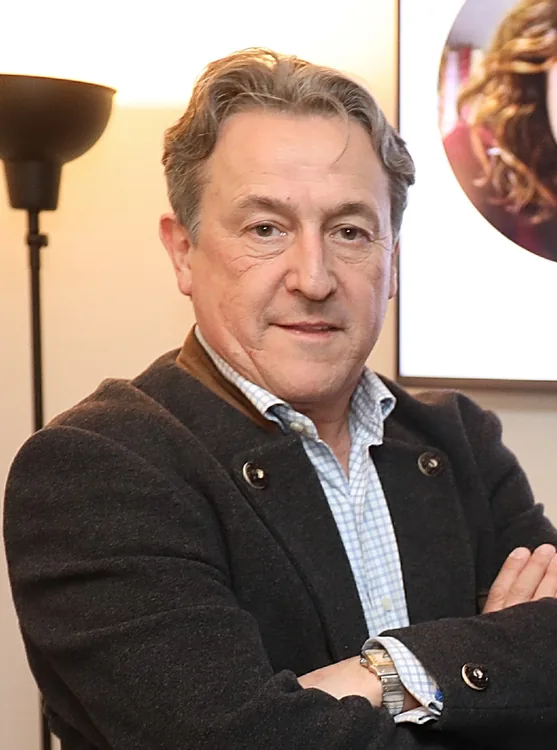
Hermann Tertsch, born in Madrid on April 9, 1958, is a Spanish journalist, lawyer, and Member of the European Parliament (MEP). His full name is Hermann Leopold Tertsch del Valle-Lersundi. He holds Spanish nationality and currently represents Spain in the European Parliament as part of the Patriots for Europe political alliance, affiliated with the Vox party. Tertsch’s career began at his family's economic news service, the Spanish Economic News Service. He subsequently worked as a correspondent for Agencia EFE in Vienna starting in 1982, covering Central and Eastern Europe. From 1983, he continued as a correspondent for El País, first in Bonn and later in Warsaw. He covered the Yugoslav Wars as a special envoy in the early 1990s, adopting an anti-Serbian perspective. Between 1993 and 1996, he served as deputy director of El País and head of the opinion section. He also contributed to radio programs on Cadena SER, Radio Nacional de España, and Onda Cero from 2004 until 2015, and appeared as a political analyst on Telemadrid's 'Madrid opina' program from 2006. Tertsch left El País in 2007 due to disagreements over editorial direction, and subsequently worked as a political opinion writer for ABC until 2019. He hosted the early-morning show ‘Diario de la noche’ on Telemadrid from 2008 to 2010. In April 2019, he was elected as an MEP for Vox, and re-elected in June 2024. He serves on the Committee on Foreign Affairs (AFET) and the Delegation to the EU-Mexico Joint Parliamentary Committee (D-MX). In 1989, Tertsch was presented with the Cirilo Rodríguez Journalism Award. The Republic of Hungary bestowed upon him the Golden Cross of its Order of Merit during 2019, and subsequently Poland’s Order of Merit was given in 2022. He has also collaborated with La vuelta al mundo de Veo7 and El cascabel on 13tv, and Sin Complejos on EsRadio. A 2003 rumor alleged that Tertsch induced an attack on himself at a Madrid bar, Toni2, while reportedly drunk. The rumor escalated, falsely implicating then-Prime Minister Zapatero and Wyoming in the incident. Esperanza Aguirre publicly commented on the situation, referencing beatings and finger-pointing. Tertsch was involved in a bar fight in December 2009, sustaining injuries that led to his departure from 'Diario de la noche'. He has been described as a ‘personajillo blanquito importado’ (little white imported character).

Verified Unclaimed
Spain

Joaquín Monserrat

Joaquín Monserrat Llarden, better known by his stage name Pacheco, was a Spanish humorist and presenter of children's television. In 1960 he relocated to Puerto Rico, where he rose to prominence as a host of programs aimed at young audiences.

Josema Yuste, comedian from Spain
Verified Unclaimed
Spain

Josema Yuste

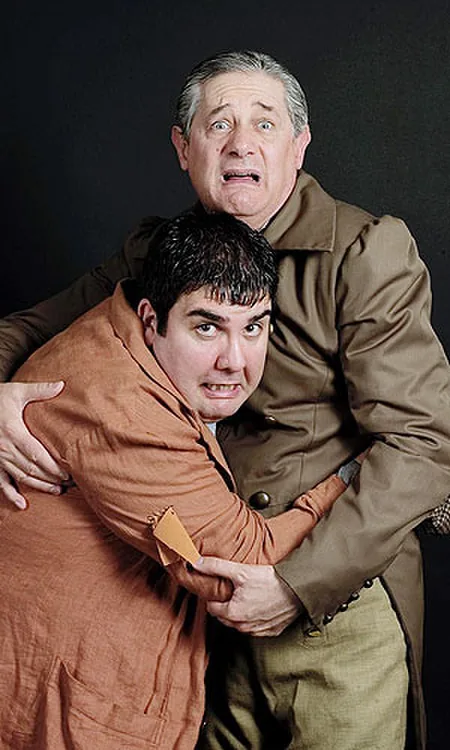
Josema Yuste, born Jose Mariano Yuste García de los Ríos in Madrid on March 2, 1954, is a versatile entertainer known for his work as an actor, comedian, and presenter. He is professionally recognized as Josema Yuste. His career began with studies at the Real Escuela Superior de Arte Dramático, where he met Millán Salcedo and Fernando Conde in 1976. These early connections proved pivotal in shaping his comedic journey. In 1979, Yuste, along with Salcedo and Conde, established the comedy trio Martes y Trece. The group achieved considerable recognition before Fernando Conde’s departure in an unspecified year, transitioning Josema and Millán into a successful duo. This partnership led to significant television appearances, including co-hosting the 1988 New Year's Eve gala and countdown on La 1 of Televisión Española (TVE) with Millán Salcedo. Subsequently, from 1989 to 1997, they hosted the annual New Year's Eve special on TVE, consistently attracting high audience ratings, until they were replaced by Los Morancos in 1993. Beyond television, Josema Yuste has expanded his creative endeavors. He has appeared in Spanish films and lent his voice to several beloved Disney characters, including the Genie in Aladdin (1992), B.E.N. in Treasure Planet (2002), and Tuke in Brother Bear (2003). His work extends to presenting television programs such as Por fin has llegado in 2007 and Nochebuena Nochegüena News in 2011. He also formed the comedy duo Josema y Flo, and participated in Tu cara me suena in 2011-12. He continues to engage with audiences, as demonstrated by his appearance in a New Year's Eve special organized by José Mota in 2019 alongside Millán Salcedo.

Ramón Cabrera y Griñó, comedian from Spain
Verified Unclaimed
Spain

Ramón Cabrera y Griñó

Ramón Cabrera y Griñó, born in Tortosa, Spain on December 27, 1806, led a complex and often brutal life marked by military conflict and political upheaval. Born to José Cabrera, a merchant seaman, he initially pursued a religious career, attending seminary but ultimately deemed unsuitable for priesthood due to a lack of vocation. He received a church benefit in 1825 through inheritance. This early ambition was abandoned as he became increasingly involved in Carlist conspiracies following the death of Ferdinand VII of Spain. Cabrera’s prominence arose during the First Carlist War, which began in 1833. He quickly rose to prominence and became a key leader in both the First and Second Carlist Wars, earning the nickname 'El Tigre del Maestrazgo' (The Tiger of Maestrazgo). Throughout his life, he bore multiple designations, specifically the titles of 1st Marquis of Ter, 1st Count of Morella, and 1st Duke of Maestrazgo. As a colonel by 1834, promoted by Carlos María Isidro, he commanded Carlist forces in Catalonia, Aragon, and Valencia, demonstrating a reputation for daring, fanaticism, and ferocity. He defeated several generals of Queen Isabella in battles such as the Battle of Maella and briefly replaced General Manuel Carnicer as commander after Carnicer's execution in 1835. Cabrera’s military actions were often characterized by harsh measures. During his command, he directed the killing of roughly 1110 prisoners of war, a hundred officers, and numerous civilians; this included the mayors of Torrecilla and Valdealgorfa, as well as captives during a victory event in Burjassot. The execution of his mother, Ana María Griñó, by liberal forces in retaliation for his actions led him to vow revenge. Although he continued resistance in Central Spain for almost a year following the surrender of other Carlists, he was ultimately confined to a French fortress and subsequently lived in England. He reappeared in Catalonia in 1848 leading Carlist bands. In March 1875, he published a manifesto urging followers to submit to Alfonso XII, an action that resulted in him being declared a traitor by Don Carlos and stripped of his titles. Ramón Cabrera y Griñó died in Wentworth, England on May 24, 1877.

Spanish Comedians and the Comedy Scene in Spain

Spain has a lively and varied comedy culture that can be found across stand-up, theatre, television, cinema and online entertainment. Spanish comedians perform in many different styles, from observational humour and storytelling to satire, sketch comedy and character-based performances.

GiggleTime's directory brings together Spanish comedians, stand-up performers, comedy actors, writers and other personalities connected to comedy and entertainment in Spain. Browse the profiles above to discover comedians from different generations and learn more about their careers and work.

Stand-Up and Monólogos in Spain

Live comedy has a strong presence in Spain, with comedians performing in theatres, comedy clubs, bars, cultural venues and dedicated comedy events across the country.

The Spanish monólogo has become a particularly recognisable comedy format. These solo performances can combine stand-up, storytelling, observations about everyday life and personal experiences, often creating a direct and conversational relationship with the audience.

Madrid and Barcelona are major centres for live comedy, but Spanish comedians also perform regularly in cities and regions throughout the country. Touring shows and comedy festivals give performers opportunities to reach audiences far beyond their home cities.

Spanish Comedy on Television

Television has been an important part of the Spanish comedy scene for decades. Sketch shows, comedy series, talk shows, variety programmes and other entertainment formats have introduced comedians to large national audiences.

Many Spanish performers work across several areas of entertainment. A comedian may also be an actor, writer, television presenter or creator, moving between live performances and screen work throughout their career.

Television has also helped popularise recurring comic characters and sketches, giving some Spanish comedians a recognisable presence far beyond the live comedy circuit.

Spanish Comedians in Film and Theatre

Comedy is an important part of Spanish cinema, with generations of actors, directors and writers contributing to the country's comedy film tradition.

Spanish comedy performers can also be found on the theatrical stage, where traditional comic theatre exists alongside contemporary stand-up and experimental forms of live performance. Some comedians combine scripted acting with improvisation, while others build their shows around storytelling and audience interaction.

The overlap between theatre, television, cinema and stand-up means that Spanish comedy includes performers with very different professional backgrounds and styles.

Comedy Across Spain

Spain's comedy scene is influenced by the country's regional and linguistic diversity. While Spanish-language comedy reaches audiences throughout the country, comedians also perform in languages including Catalan, Basque and Galician.

This creates distinct local comedy scenes alongside the broader Spanish comedy market. Barcelona, for example, has a particularly diverse comedy community, while Madrid is a major centre for Spanish-language television, theatre and stand-up.

Online platforms have added another dimension to this diversity, allowing comedians from different parts of Spain to build audiences through podcasts, YouTube, social media and streaming services.

Discover Spanish Comedians on GiggleTime

Looking for Spanish comedians, Spanish stand-up comedians or comedy performers from Spain? Explore the GiggleTime directory above to discover comedians working across live comedy, television, film and theatre.

Use the search feature to find a particular comedian or browse the profiles to discover new names. Individual profiles may include biographical information, career details, performances, photographs and other interesting facts.

Whether you're interested in Spanish stand-up comedy, comedy monólogos, Spanish comedy actors, television comedians or famous comedians from Spain, GiggleTime makes it easy to explore the people behind Spanish comedy.

The directory continues to grow as new Spanish comedians and comedy personalities are added.