Mexican Comedians and Comedy
Mexico has one of the most recognisable comedy cultures in Latin America, with a long tradition of television comedy, stand-up, sketch shows, satire and character-based humour. Mexican comedians often draw inspiration from everyday life, family, relationships, social situations and the differences between generations.
Comedy in Mexico has also changed considerably over the years. Traditional television entertainers helped establish comedy as a major part of Mexican popular culture, while a newer generation of stand-up comedians has brought more personal storytelling and observational humour to live stages and digital platforms.
Popular Mexican Comedians
Mexico has produced many comedians who have become widely known through television, films, live performances and online entertainment.
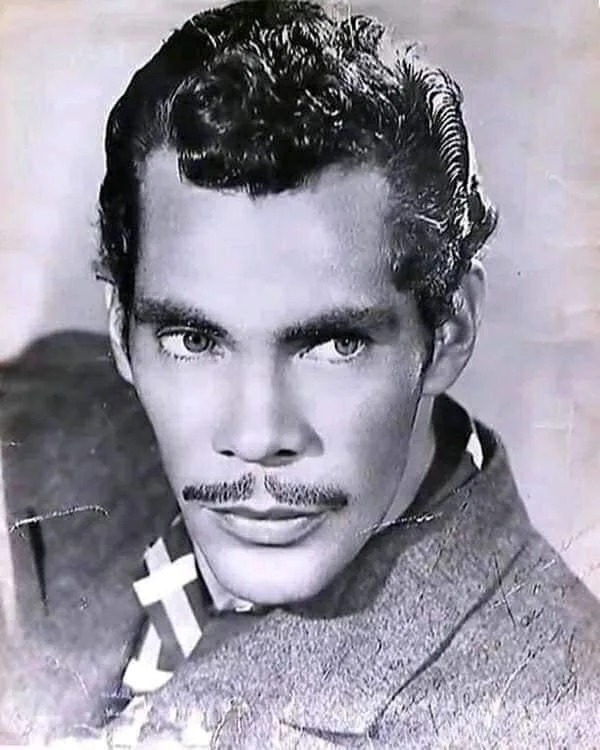
One of the most influential figures is Cantinflas, whose distinctive style of comedy made him an international star. His character was famous for confusing conversations, wordplay and humorous observations about society. His films remain an important part of the history of Mexican comedy.
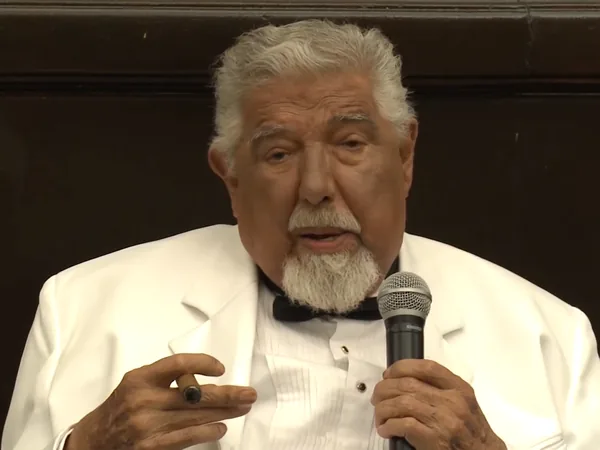
Chespirito, the stage name of Roberto Gómez Bolaños, is another hugely influential figure. He created characters including El Chavo del 8 and El Chapulín Colorado, which became popular across Mexico and throughout Latin America. His work has had an enormous influence on Spanish-language comedy.
Other well-known Mexican comedians and entertainers include Eugenio Derbez, who has built a successful career across television, film and comedy, as well as Adal Ramones, known for his work as a television presenter and comedian. Franco Escamilla has become one of Mexico's most recognisable modern stand-up comedians, with large audiences in Mexico and internationally.
The contemporary comedy scene also includes performers such as Sofía Niño de Rivera, Ricardo O'Farrill, Carlos Ballarta and Alex Fernández, who have helped make stand-up comedy increasingly visible to younger Mexican audiences.
Stand-Up Comedy in Mexico
Modern stand-up comedy has grown significantly in Mexico, particularly in major cities such as Mexico City, Guadalajara and Monterrey. Comedy clubs and theatres regularly host local performers as well as comedians from other Spanish-speaking countries.
Mexican stand-up often focuses on personal experiences and observations about everyday life. Relationships, family, dating, work, social expectations and cultural differences are common subjects, with comedians turning familiar situations into stories and jokes.
There is also considerable variety in performance styles. Some comedians rely heavily on storytelling and personal anecdotes, while others use darker humour, satire, improvisation or fast-paced one-liners. This gives audiences a broad selection of styles to discover.
Mexican Comedy on Television and Film
Television has played a particularly important role in the development of Mexican comedy. Sketch programmes, sitcoms, comedy characters and variety shows have introduced generations of viewers to comedians and created characters that became part of popular culture.
Mexican comedy has also had a major presence in cinema. From the classic films of Cantinflas to more recent comedy productions, Mexican performers have frequently moved between television, film and live entertainment.
Many comedians also work across several areas at once. A performer might appear in a stand-up special, host a television programme, act in a film and maintain a large online following. This crossover has become increasingly common as the entertainment industry has expanded beyond traditional television.
The Growth of Online Comedy in Mexico
YouTube, podcasts and social media have created another important outlet for Mexican comedians. Online platforms allow performers to publish longer conversations, sketches, podcasts and stand-up clips while building audiences without depending entirely on television networks.
Podcasting in particular has become closely connected with Mexican comedy. Comedians frequently use podcasts and video shows to discuss everyday experiences, invite guests and develop the personalities that audiences already know from their live performances.
Social media has also made it easier for new comedians to reach audiences throughout Mexico and across the wider Spanish-speaking world. A successful clip can introduce a performer to viewers far beyond the city where they originally started performing.
Discover Mexican Comedians
Mexican comedy combines a long history of television and film entertainment with a growing live stand-up and digital comedy scene. From legendary performers such as Cantinflas and Chespirito to contemporary comedians building audiences through clubs, streaming platforms and social media, there is a wide range of Mexican comedy to explore.
Browse GiggleTime to discover Mexican comedians, learn more about individual performers and explore comedy from Mexico alongside comedians from countries around the world.