Chuck - GiggleTime cartoon comedian telling jokes
GiggleTime for Android
Free on Google Play
Get the app
GiggleTime - jokes, comedians and comedy shows GiggleTime
Menu
Go Premium Submit a Joke Comedians Comedy shows Most followed comedians About FAQs Contact Add a comedian
Get the app
Follow us

Legal
Privacy Policy Terms of Service Cookie Policy Refund and Cancellation Policy Attributions
Login
Language
Categories
Settings
Language English English
Safe Mode
Random Jokes Autoplay
Notifications
Global Talent Directory

Comedians from Mexico

The comedian directory for Mexico: profiles, bios, photos and social links.

Mexico Starts with M Verified Clear all
Showing 1-3 of 3 comedians
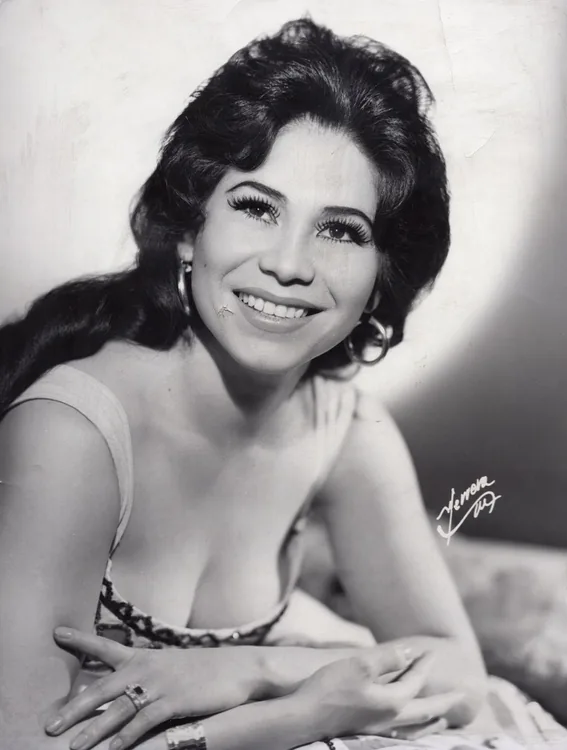
María Elena Velasco (1940–2015), comedian from Mexico
Verified Unclaimed
Mexico

María Elena Velasco

María Elena Velasco Fragoso, born December 17, 1940, in Puebla de Zaragoza, was a multifaceted Mexican entertainer. She worked as an actress, comedian, singer-songwriter, and dancer. María Elena Fragoso Peón's parents were named Tomás Velasco Saavedra, a railway mechanic, and María Elena Fragoso Peón. Following the death of her father, the family relocated to Mexico City, where Gloria, Tomás, Susana, and she spent her childhood with three others. Velasco began her career as a dancer at the Teatro Tívoli in Mexico City and later became a showgirl at the Teatro Blanquita, performing alongside comedians José 'El Ojón' Jasso and Óscar Ortiz de Pinedo. She made her film debut in Los derechos de los hijos (1962), followed by a small role as Petra in México de mis recuerdos (1963). Fernando Cortés, the director, suggested she play the part of ‘María,’ an indigenous woman; this character became her signature role, known as La India María. To guarantee accuracy in her depiction, Velasco meticulously studied the habits and actions of indigenous women. La India María became widely recognized after appearing on the television program Siempre en domingo in 1969. Her first film as La India María was Tonta, tonta, pero no tanto (1972), directed by Cortés. Cortés continued to direct eight films featuring La India María until his death in 1979. For her comedic performance in ¡El que no corre... vuela!, Velasco received a Silver Goddess Award (Diosa de Plata). (1982). Besides performing on stage, she released recordings including La mejor cantante de todas las grabadoras in 1971, and De chile, de dulce y de manteca in 1982. She directed her first film, El coyote emplumado, in 1983, and subsequently appeared in the television series Ay María, qué puntería in 1998. Velasco married Julián de Meriche in the early 1960s; they had two children, Iván Lipkies and Ivette Eugenia Lipkies (Goretti Lipkies). She died on May 1, 2015, in Mexico City from stomach cancer.

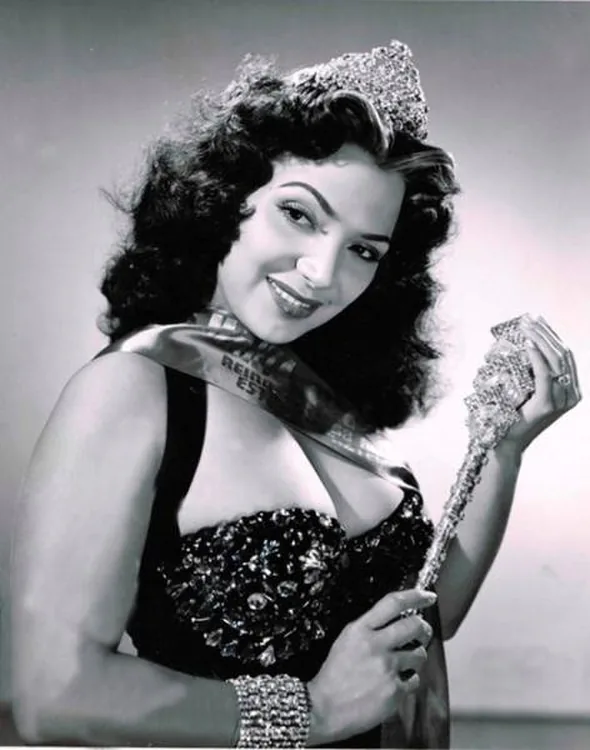
Maria Victoria Cervantes, comedian from Mexico
Verified Unclaimed
Mexico

Maria Victoria Cervantes

Maria Victoria Cervantes is a Mexican actress, comedian, and singer. Born Maria Victoria Gutiérrez Cervantes in Guadalajara, Jalisco on February 26, 1923, she comes from a family that faced extreme poverty, requiring her to work from a young age. Her parents were Leovigildo Gutiérrez Peña and Maura Cervantes Prieto, and she had five siblings: Julio, Martín, José, Esperanza, and Elvira. Around 1940, she began performing as a singer in carpas, theaters, and cabarets, marking the start of a career that would span 73 years, from approximately 1940 to 2013. Beginning in 1943 with her acting debut in *Canto a las Américas*, Cervantes rose to recognition rapidly and played a significant role within the Golden Age of Mexican Cinema from 1951 to 1956. Between 1951 and 1954, she appeared in several movies, notably *Mujeres de teatro* (1951), *Por qué peca la mujer* (1952), *Del rancho a la televisión* (1953), and *Al son del charlestón* (1954). Her musical career flourished alongside her acting, specializing in bolero and pop music genres. She released 16 studio albums, 15 EPs, and 39 singles, with popular songs such as "Cuidadito, cuidadito," "Así así," and "Como un perro." Due to her lyrics, dresses, and singing style, she faced censorship from the Decency League. Known as “La Sirena de México” due to her style and appearance, Cervantes is also recognized for her role as Inocencia de la Concepción in the La criada bien criada franchise, beginning around 1963. She appeared in this franchise across film and television, including the television series from 1963 to 1980. Her career included appearances in numerous television shows such as Domingos Herdez , Enigma , and La criada bien criada . She had a daughter, María Esther “Teté” Gómez, in 1951, and later married Rubén Zepeda Novelo in 1957, with whom she had two sons, Alejandro and Rubén Zepeda Cervantes. She won two Diosa de Plata awards: one in 1981 for Best Comedy Actress and a special award in 2006 for her career. A commemorative monument has been erected in front of the Teatro Blanquita.

Verified Unclaimed
Mexico

Miguel Pérez

José Miguel Pérez Saint Martin, a Mexican born, has developed his career as an actor, politician and comedian. He held the post of Rider in the City of Metepec between 2025 and 2027. It is famous for incarnating Ludoviquito P. Luche in the series "La familia P. Luche," which se released in 2002.

Mexican Comedians and Comedy

Mexico has one of the most recognisable comedy cultures in Latin America, with a long tradition of television comedy, stand-up, sketch shows, satire and character-based humour. Mexican comedians often draw inspiration from everyday life, family, relationships, social situations and the differences between generations.

Comedy in Mexico has also changed considerably over the years. Traditional television entertainers helped establish comedy as a major part of Mexican popular culture, while a newer generation of stand-up comedians has brought more personal storytelling and observational humour to live stages and digital platforms.

Popular Mexican Comedians

Mexico has produced many comedians who have become widely known through television, films, live performances and online entertainment.

One of the most influential figures is Cantinflas, whose distinctive style of comedy made him an international star. His character was famous for confusing conversations, wordplay and humorous observations about society. His films remain an important part of the history of Mexican comedy.

Chespirito, the stage name of Roberto Gómez Bolaños, is another hugely influential figure. He created characters including El Chavo del 8 and El Chapulín Colorado, which became popular across Mexico and throughout Latin America. His work has had an enormous influence on Spanish-language comedy.

Other well-known Mexican comedians and entertainers include Eugenio Derbez, who has built a successful career across television, film and comedy, as well as Adal Ramones, known for his work as a television presenter and comedian. Franco Escamilla has become one of Mexico's most recognisable modern stand-up comedians, with large audiences in Mexico and internationally.

The contemporary comedy scene also includes performers such as Sofía Niño de Rivera, Ricardo O'Farrill, Carlos Ballarta and Alex Fernández, who have helped make stand-up comedy increasingly visible to younger Mexican audiences.

Stand-Up Comedy in Mexico

Modern stand-up comedy has grown significantly in Mexico, particularly in major cities such as Mexico City, Guadalajara and Monterrey. Comedy clubs and theatres regularly host local performers as well as comedians from other Spanish-speaking countries.

Mexican stand-up often focuses on personal experiences and observations about everyday life. Relationships, family, dating, work, social expectations and cultural differences are common subjects, with comedians turning familiar situations into stories and jokes.

There is also considerable variety in performance styles. Some comedians rely heavily on storytelling and personal anecdotes, while others use darker humour, satire, improvisation or fast-paced one-liners. This gives audiences a broad selection of styles to discover.

Mexican Comedy on Television and Film

Television has played a particularly important role in the development of Mexican comedy. Sketch programmes, sitcoms, comedy characters and variety shows have introduced generations of viewers to comedians and created characters that became part of popular culture.

Mexican comedy has also had a major presence in cinema. From the classic films of Cantinflas to more recent comedy productions, Mexican performers have frequently moved between television, film and live entertainment.

Many comedians also work across several areas at once. A performer might appear in a stand-up special, host a television programme, act in a film and maintain a large online following. This crossover has become increasingly common as the entertainment industry has expanded beyond traditional television.

The Growth of Online Comedy in Mexico

YouTube, podcasts and social media have created another important outlet for Mexican comedians. Online platforms allow performers to publish longer conversations, sketches, podcasts and stand-up clips while building audiences without depending entirely on television networks.

Podcasting in particular has become closely connected with Mexican comedy. Comedians frequently use podcasts and video shows to discuss everyday experiences, invite guests and develop the personalities that audiences already know from their live performances.

Social media has also made it easier for new comedians to reach audiences throughout Mexico and across the wider Spanish-speaking world. A successful clip can introduce a performer to viewers far beyond the city where they originally started performing.

Discover Mexican Comedians

Mexican comedy combines a long history of television and film entertainment with a growing live stand-up and digital comedy scene. From legendary performers such as Cantinflas and Chespirito to contemporary comedians building audiences through clubs, streaming platforms and social media, there is a wide range of Mexican comedy to explore.

Browse GiggleTime to discover Mexican comedians, learn more about individual performers and explore comedy from Mexico alongside comedians from countries around the world.