Chuck - GiggleTime cartoon comedian telling jokes
GiggleTime for Android
Free on Google Play
Get the app
GiggleTime - jokes, comedians and comedy shows GiggleTime
Menu
Go Premium Submit a Joke Comedians Comedy shows Most followed comedians About FAQs Contact Add a comedian
Get the app
Follow us

Legal
Privacy Policy Terms of Service Cookie Policy Refund and Cancellation Policy Attributions
Login
Language
Categories
Settings
Language English English
Safe Mode
Random Jokes Autoplay
Notifications
Global Talent Directory

Comedians from Mexico

The comedian directory for Mexico: profiles, bios, photos and social links.

Mexico Starts with L Clear all
Showing 1-4 of 4 comedians
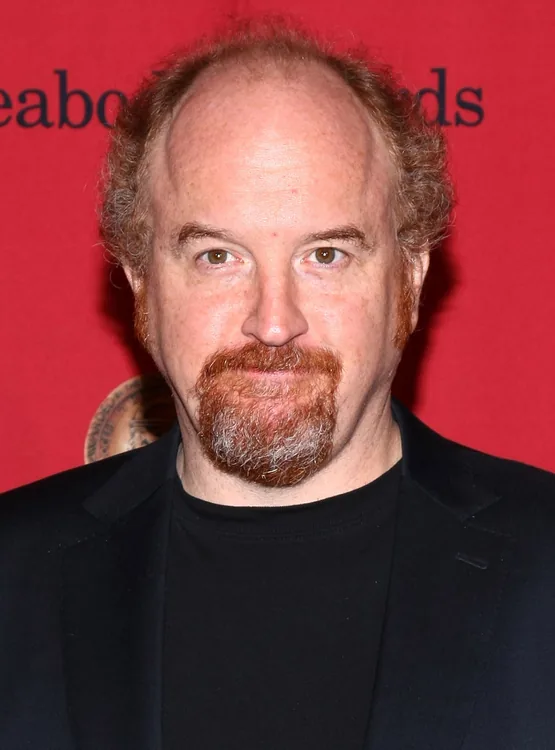
Louis C.K., comedian from Mexico
Verified Unclaimed
Nov 17, 2026 Mexico

Louis C.K.

1.2M followers

Louis Alfred Székely, better known as Louis C.K., is a humorist, actor, screenwriter and film director. In 2012 he received the Peabody Award and has been awarded six Primetime Emmy, as well as multiple awards for his Louie series and stand-up Live at the Beacon Theater (2011) and Oh My God (2013). He has also obtained two Grammys for the best comic album. Rolling Stone included it among the first three from your list "Divine Comedy: 25 best special and film stand-up of all times" with the special Shameless, and placed it in the fourth place of the top 50 stand-up comedians in history.

La Güereja, comedian from Mexico
Verified Unclaimed
Mexico

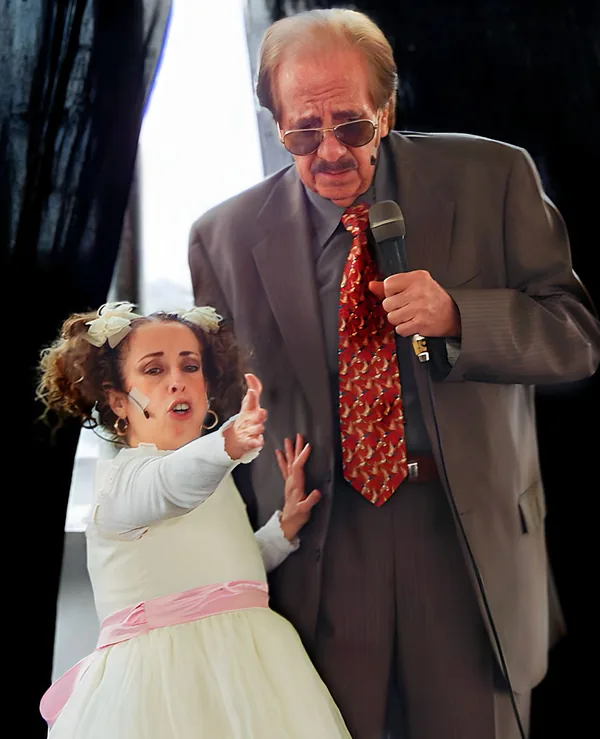
La Güereja

María Elena Saldaña, conocida artísticamente como La Güereja, es una actriz de televisión mexicana cuya trayectoria comenzó a mediados de los años 80. A causa de una enfermedad cuya causa no se ha identificado, padece enanismo. A lo largo de los años se ha destacado por encarnar a la niña mexicana Mariquita Castro Pérez, a quien se le conoce con el sobrenombre de “La Güereja”.

Luis Manuel Ávila cruz, comedian from Mexico
Verified Unclaimed
Mexico

Luis Manuel Ávila cruz

Luis Manuel Ávila Cruz, born in Mexico City on January 30, 1971, is a Mexican actor, comedian, and singer. He is known for his versatility, working across film, television, and voice acting (dubbing). His career in performing arts began on January 20, 1991, with the play 'El Juego que Todos Jugamos'. Ávila’s training included studies at the UNAM FCA Theater Workshop with Luis León Vela, a scholarship to the Alberto Estrella Dance and Theater Center for two years, and courses at Sylvia Pasquel’s school and M&M Studio under Patricia Reyes Spíndola. He also studied business administration at UNAM, earning a bachelor’s degree and receiving recognition for his thesis, winning 'Best Undergraduate Thesis in Administration' nationally. He began his career as a comedian in 1995, placing third in the Riatatán comedy contest, which led to work on Centro Nocturno. He utilizes characters like Librado, Junior, Tomás, and Zamora in his comedic performances. Luis Manuel Ávila gained recognition through significant roles, including Tomás Mora in ‘La fea más bella’ and Júnior P. Luche in ‘La familia P. Luche’. He has also appeared in television shows including 'Camaleones', 'Las Tontas No Van Al Cielo', 'Triunfo del Amor', and 'Por Ella Soy Eva'. His film credits include 'Divina Confusión', 'El Octavo Pasajero', 'Aspiración', 'Debo No Niego', and 'En La Tierra'. As members of the duet LOS LUISES, who perform in Mexico and several cities across the USA, he has produced two albums: 'Biografía' and 'El Riesgo'. He also lends his voice to roles in productions like 'Dragon Ball Super: Super Hero' and 'Saint Seiya: The Lost Canvas'. Ávila has performed his solo show at venues like Frontón México, Teatro Blanquita, and El Palacio de los Deportes, and received recognition for his work, including an award for best actor at the First Festival of University Theatre UNAM and acknowledgement from the Senate of Mexico in 2014.

Lupe Rivas Cacho (1899–1975), comedian from Mexico – satire, sketch comedy
Verified Unclaimed
Mexico

Lupe Rivas Cacho

Lupe Rivas Cacho, born Guadalupe Rivas Cacho in Mexico City on August 8, 1884, was a multifaceted Mexican performer. She worked as an actress, comedian, and vedette, beginning her artistic career in 1897 when she was just thirteen years old. Initially, she performed in zarzuelas and operettas, appearing in cities like Mexico City, Guadalajara, Monterrey, and Mérida. Around 1910, she adopted the name Lupe Rivas Cacho and transitioned to theater of revue, becoming known as 'La Pingüica' because of her short stature. She served as the first soprano of the Lyrical Theater and demonstrated vocal skill by singing difficult musical notes with a high-pitched voice. Rivas Cacho’s career encompassed extensive touring and a distinctive comedic style. She toured internationally, including performances in Spain, Argentina, and France at venues like the Théâtre de l’Avenue in Paris. Her work during the 1920s and 1930s focused on comedies and political satires, gaining popularity among marginalized communities. She was considered a pioneer of Mexican satirical revue and performed comedy sketches in theaters, similar to cabarets. Her image was widely disseminated by theaters through photographs. A romantic relationship with Diego Rivera began in 1921, and they formed a leftist political alliance; Rivera subsequently immortalized her in his mural 'La Creación' as the figure of 'la comedia'. She also had a stage rivalry with Mimí Derba. Lupe Rivas Cacho’s career extended beyond theater. She entered film in 1949, appearing in titles such as Comisario en turno , El charro y la dama , Mi canción eres tú , and Viva la juventud! . Later, in 1967, she made her television debut in the telenovela Atormentada . As a 'tiples' performer, she combined singing and acting throughout much of her career. She died in Mexico City on September 15, 1975, at the age of 91. Monsiváis interpreted her image as representing the beginning of female emancipation, signifying her lasting impact on Mexican culture.

Mexican Comedians and Comedy

Mexico has one of the most recognisable comedy cultures in Latin America, with a long tradition of television comedy, stand-up, sketch shows, satire and character-based humour. Mexican comedians often draw inspiration from everyday life, family, relationships, social situations and the differences between generations.

Comedy in Mexico has also changed considerably over the years. Traditional television entertainers helped establish comedy as a major part of Mexican popular culture, while a newer generation of stand-up comedians has brought more personal storytelling and observational humour to live stages and digital platforms.

Popular Mexican Comedians

Mexico has produced many comedians who have become widely known through television, films, live performances and online entertainment.

One of the most influential figures is Cantinflas, whose distinctive style of comedy made him an international star. His character was famous for confusing conversations, wordplay and humorous observations about society. His films remain an important part of the history of Mexican comedy.

Chespirito, the stage name of Roberto Gómez Bolaños, is another hugely influential figure. He created characters including El Chavo del 8 and El Chapulín Colorado, which became popular across Mexico and throughout Latin America. His work has had an enormous influence on Spanish-language comedy.

Other well-known Mexican comedians and entertainers include Eugenio Derbez, who has built a successful career across television, film and comedy, as well as Adal Ramones, known for his work as a television presenter and comedian. Franco Escamilla has become one of Mexico's most recognisable modern stand-up comedians, with large audiences in Mexico and internationally.

The contemporary comedy scene also includes performers such as Sofía Niño de Rivera, Ricardo O'Farrill, Carlos Ballarta and Alex Fernández, who have helped make stand-up comedy increasingly visible to younger Mexican audiences.

Stand-Up Comedy in Mexico

Modern stand-up comedy has grown significantly in Mexico, particularly in major cities such as Mexico City, Guadalajara and Monterrey. Comedy clubs and theatres regularly host local performers as well as comedians from other Spanish-speaking countries.

Mexican stand-up often focuses on personal experiences and observations about everyday life. Relationships, family, dating, work, social expectations and cultural differences are common subjects, with comedians turning familiar situations into stories and jokes.

There is also considerable variety in performance styles. Some comedians rely heavily on storytelling and personal anecdotes, while others use darker humour, satire, improvisation or fast-paced one-liners. This gives audiences a broad selection of styles to discover.

Mexican Comedy on Television and Film

Television has played a particularly important role in the development of Mexican comedy. Sketch programmes, sitcoms, comedy characters and variety shows have introduced generations of viewers to comedians and created characters that became part of popular culture.

Mexican comedy has also had a major presence in cinema. From the classic films of Cantinflas to more recent comedy productions, Mexican performers have frequently moved between television, film and live entertainment.

Many comedians also work across several areas at once. A performer might appear in a stand-up special, host a television programme, act in a film and maintain a large online following. This crossover has become increasingly common as the entertainment industry has expanded beyond traditional television.

The Growth of Online Comedy in Mexico

YouTube, podcasts and social media have created another important outlet for Mexican comedians. Online platforms allow performers to publish longer conversations, sketches, podcasts and stand-up clips while building audiences without depending entirely on television networks.

Podcasting in particular has become closely connected with Mexican comedy. Comedians frequently use podcasts and video shows to discuss everyday experiences, invite guests and develop the personalities that audiences already know from their live performances.

Social media has also made it easier for new comedians to reach audiences throughout Mexico and across the wider Spanish-speaking world. A successful clip can introduce a performer to viewers far beyond the city where they originally started performing.

Discover Mexican Comedians

Mexican comedy combines a long history of television and film entertainment with a growing live stand-up and digital comedy scene. From legendary performers such as Cantinflas and Chespirito to contemporary comedians building audiences through clubs, streaming platforms and social media, there is a wide range of Mexican comedy to explore.

Browse GiggleTime to discover Mexican comedians, learn more about individual performers and explore comedy from Mexico alongside comedians from countries around the world.