GiggleTime GiggleTime
Menu
Go Premium Submit a Joke Comedians About FAQs Contact

Legal
Privacy Policy Terms of Service Cookie Policy Refund and Cancellation Policy Attributions
Login
Language
Categories
Settings
Language English
Safe Mode
Random Jokes Autoplay
Notifications
Global Talent Directory

Comedians from Germany

The comedian directory of Germany — profiles, bios, photos, and social links for comedians from Germany.

Add a comedian
Reset
188 comedians
Christian Tramitz, comedian from Germany
Verified Unclaimed
Germany

Christian Tramitz

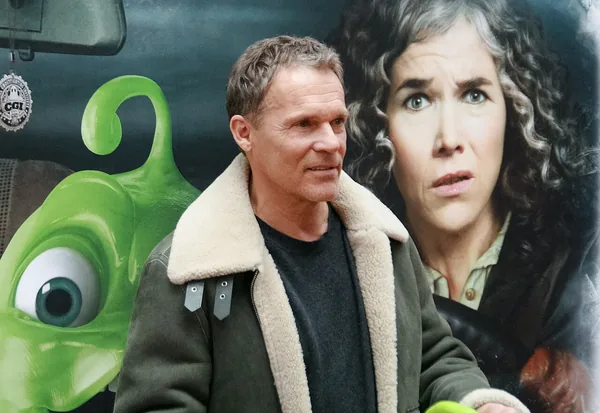
Christian Tramitz is a German-Austrian actor, comedian, voice actor, and author. Born on July 13, 1955, in Munich, Bavaria, he hails from a family with artistic roots; his grandfather was the Austrian actor Paul Hörbiger, and his father was film producer Rudolf Tramitz. Tramitz’s early career involved gaining media experience at Radio Gong Munich, where he co-hosted 'Die Bayern Cops' with Michael Herbig. Following this, he pursued academic studies, initially studying art history, philosophy, and theater studies in Munich. He also took acting lessons from Ruth von Zerboni and violin lessons at the Munich Conservatory. His early television experience included appearances in 'Eine schrecklich nette Familie', 'Alf', and 'Isar 3' in December 1996. He achieved recognition through his involvement in the comedy TV series 'Bullyparade' from 1997 to 2002, where he served as both an actor and author. Tramitz is also known for his extensive voice acting work, dubbing actors such as Matt Dillon, Jackie Chan, John Cusack, Ben Stiller, and Ted McGinley, and voicing characters like Asterix, Chick Hicks, and Scrad/Charlie (Johnny Knoxville). He hosted his own comedy show, 'Tramitz and Friends,' on ProSieben starting in 2004. His film credits include 'Erkan & Stefan' (2000), 'Der Schuh des Manitu' (2001), '(T)Raumschiff Surprise – Periode 1' (2004), and '7 Zwerge'. He has starred in television shows like 'Hubert und Staller' since 2011, and later in 'Hubert ohne Staller' from 2018. He received a Bambi and a German Comedy Award for his work in 'Der Schuh des Manitu' and '(T)Raumschiff Surprise – Periode 1'.

Django Asül, comedian from Germany
Verified Unclaimed
Germany

Django Asül

Django Asül, born Uğur Bağışlayıcı on April 19, 1972, is a Turkish-German actor and comedian. He is a native of Lower Bavaria (Niederbayern), having grown up in Hengersberg as the son of Turkish immigrants who initially planned to return to Turkey but ultimately stayed for better educational opportunities. He attended Robert-Koch-Gymnasium in Deggendorf and graduated in 1992, having also worked part-time at a sporting goods store. Asül began his cabaret career in the mid-1990s, inspired by Matthias Beltz. He first gained recognition through standup comedy routines, which were released on CD. His comedy style incorporates distinct voices and accents, including a narrator with a Bavarian accent, lower Bavarian dialect, and broken German with a Turkish accent. He explores social and political themes, particularly those related to intercultural issues stemming from his Turkish background in Germany. He published the book 'Oh Abendland!' in 1997 and released his debut CD, 'Hämokratie,' in November 1999. He has since released six additional stage programs: 'Autark' (October 2001), 'Hardliner' (September 2004), 'Fragil' (February 6, 2009), 'Paradigma' (2012), 'Letzte Patrone' (2016), and 'Offenes Visier' (2019). He has been touring with stage programs since 1997. Throughout his career, Asül has received numerous awards, including the Kabarett Kaktus in 1996, the Obernburger Mühlstein Jury- und Publikumspreis in 1997, the Ravensburger Kupferle in 1998, the Bayerischer Kabarettpreis in 2000, and the Ybbser Spaßvogel award in 2005. He also received the Kulturnews award in 2007 and the Bayerischer Verdienstorden in 2018. He has appeared on television shows like '7 Tage, 7 Köpfe' and has had small roles in productions such as the Munich Tatort episode 'Kleine Herzen' (2007) and the comedy film 'Hanna und die Bankräuber' (2009). Since 2008, he has been giving the Maibock toast at the Hofbräuhaus in Munich, performing there for twenty years. He relinquished his Turkish passport in 2011, becoming a German citizen. Künstleragentur Kirsten Schacht handles his booking and management.

Jürgen von der Lippe, comedian from Germany
Verified Unclaimed
Germany

Jürgen von der Lippe

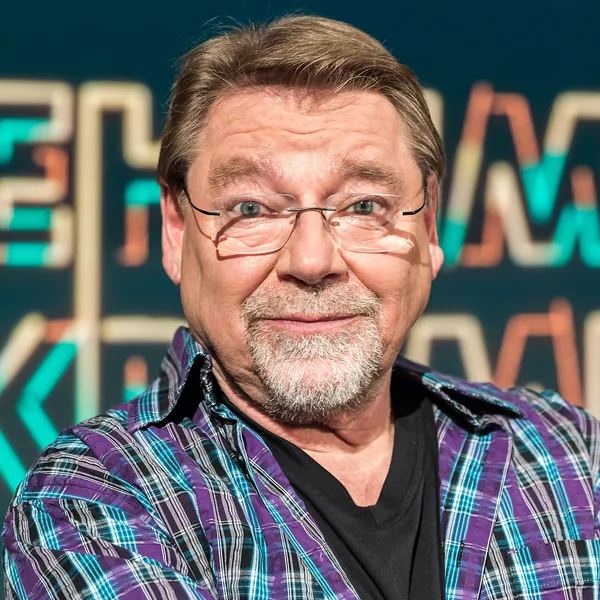
Jürgen von der Lippe, born Hans-Jürgen Hubert Dohrenkamp on June 8, 1948, in Bad Salzuflen, is a German comedian and entertainer. His parents were Johannes (Hans) Dohrenkamp, a bartender who later worked in an Aachen striptease bar, and Elfriede, a dietician. The family relocated to Aachen in 1950 due to his father's employment. He attended Kaiser-Karls-Gymnasium and, influenced by artists like Cat Stevens, Donovan, and Bob Dylan, learned to play guitar during his Bundeswehr service from 1967 to 1970, leaving as a lieutenant. His stage name, “von der Lippe,” reflects his family’s historical connection to the former Principality of Lippe. Von der Lippe's career began with studies in German language and literature, philosophy, and linguistics at RWTH Aachen and later in Berlin, though he did not complete a degree. He started performing at the GO-IN folk club in Berlin in 1973. In 1976, he co-founded the music group Gebrüder Blattschuss, but left in 1978 to focus on a solo career. His early television success came with the show 'Donnerlippchen.' He is known for incorporating literal translations from comedians like Bill Cosby and George Carlin into his performances, as well as parodies of German stars such as Udo Lindenberg and Peter Maffay. Recurring characters, including a naive Catholic priest and a postal worker from the Sauerland, are also hallmarks of his stage shows. Throughout his career, Jürgen von der Lippe has hosted numerous television programs, including 'Geld oder Liebe' (1986-2001) and WWF Club (1980–1990). He played Father Erdmann in the comedy series 'Der Heiland auf dem Eiland' from 2004 to 2005, and presented 'Extreme Activity' starting in 2006. His song 'Guten Morgen, liebe Sorgen' reached number one in the ZDF hit parade in 1987. Beyond television, his stage shows frequently explore themes of marriage, relationships, and everyday life. In 1998, he opened 'Lippes Magic Store,' reflecting his interest in magic, and is a member of the German Circle of Magicians. He has been married multiple times; notably to Margarethe Schreinemakers (1986-1988) and Anne Dohrenkamp (1983-1986, then again after their divorce).

Oliver Pocher, comedian from Germany
Verified Unclaimed
Germany

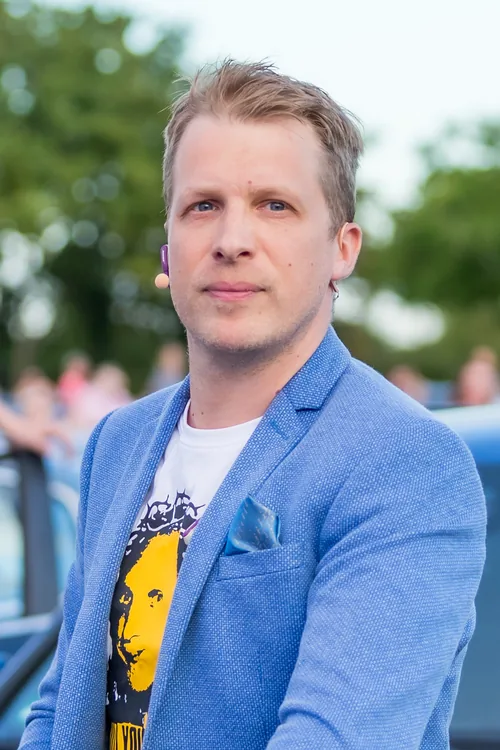
Oliver Pocher

Oliver Pocher, ein deutscher Komiker, Entertainer und Fernsehmoderator, startete seine berufliche Laufbahn mit Teilzeitjobs im Radio und als DJ. 1998 trat er erstmals im Fernsehen auf, und zwar in der Sendung von Bärbel Schäfer. Später übernahm er die Moderation verschiedener Formate, unter anderem „Rent a Pocher“ und „Die Oliver Pocher Show“.

Rick Kavanian, comedian from Germany
Verified Unclaimed
Germany

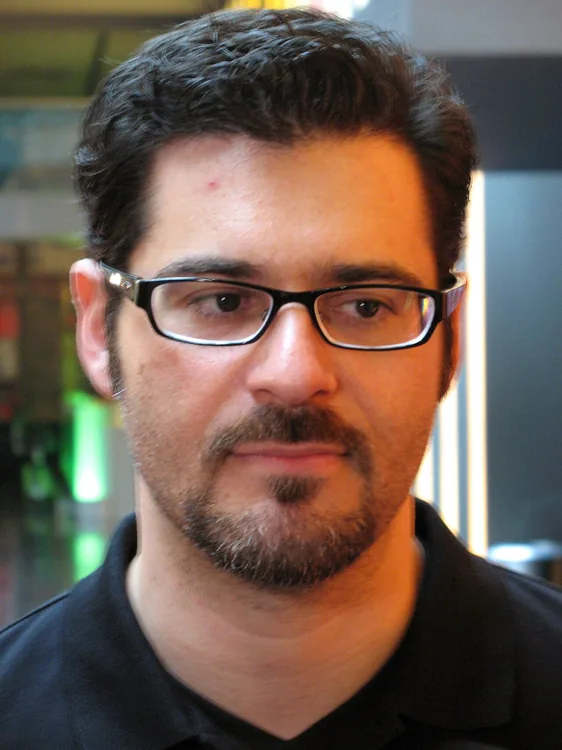
Rick Kavanian

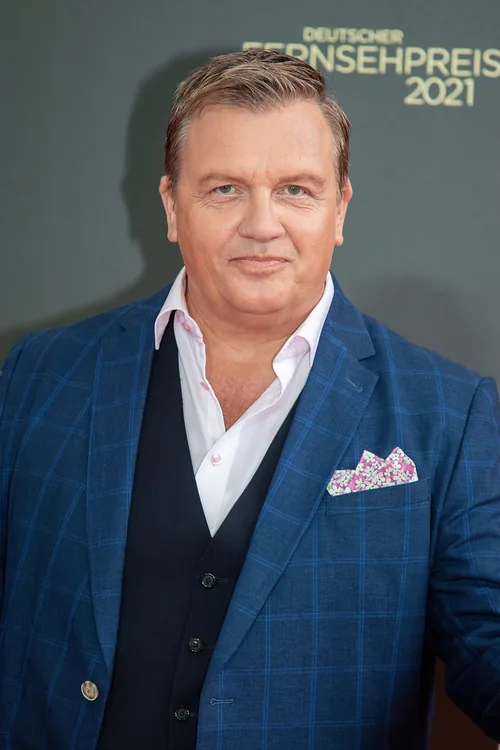
Born in Munich on January 26, 1971, Rick Kavanian is a German actor, comedian, author, and voice actor. His parents, both Armenian immigrants from Bucharest, emigrated to Munich in the 1950s; they now reside in New York since 1997. He attended the Luitpold-Gymnasium in Munich and speaks Armenian, Romanian, German, and English, having learned Romanian from his parents and Armenian from his grandmother. Kavanian’s career began in 1990 when he and Michael Herbig started collaborating as authors and speakers for the German comedy radio show Langemann and Morgencrew on Radio Gong 96.3. This partnership has been central to his success, leading to popular movie comedies and parodies like Manitou's Shoe. From 1990 to 1994, he pursued studies in political science, North American history, and psychology for nine semesters in Munich and Augsburg. He further honed his skills with acting studies at the Lee Strasberg Theatre Institute in New York City from 1995 to 1996. Kavanian shared the stage with Herbig in the television comedy series Easy Bully; this program later became known as Bullyparade. Kavanian has established himself as a successful stand-up comedian and a prolific voice actor. He voiced Austin Powers (Mike Myers) in the German dubs of Austin Powers 2 and 3, as well as Marty (Chris Rock) in Madagascar and Madagascar 2, and Luigi in Cars and Cars 2. He toured extensively with stage programs like Kosmopilot (2006-2009), Ipanema (starting autumn 2009), and later Egostrip, Dollbohrer, and Offroad (from September 2012). He was a member of the satirical show Die Klugscheißer from January 2011 and hosted a weekly radiocomedy on Bayern 3. He appeared in various roles during the filming of Bullyparade – Der Film (2016), which topped the box office charts in its first week after release on August 17, 2017. Kavanian has also participated in comedy gameshows like LOL: Last One Laughing in 2021 and competed in The Masked Singer in 2022, finishing third as “Rosty.” He won the German Animation Voice Actor Award in 2013 for his role as Ritter Rost. He currently lives in Munich with his wife Ilka, whom he married in August 2005 after a three-year relationship. Peter Sellers serves as Kavanian's personal idol.

Theo Lingen, comedian from Germany
Verified Unclaimed
Germany

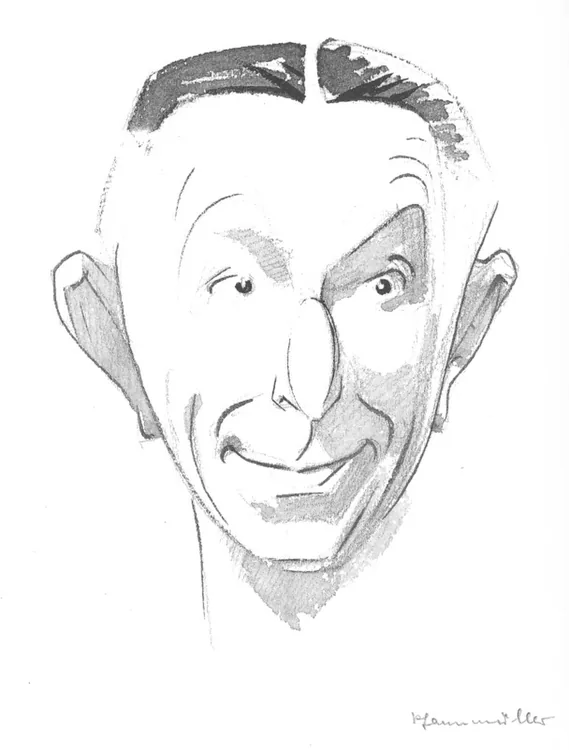
Theo Lingen

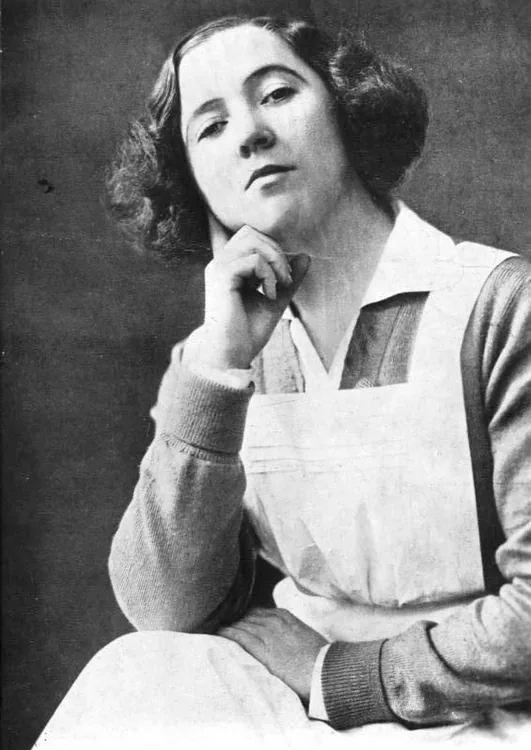
Unter dem Künstlernamen Theo Lingen, gebürtig Franz Theodor Schmitz, war er ein deutscher Schauspieler, Regisseur und Drehbuchautor. In seiner Karriere trat er von 1929 bis 1978 in mehr als 230 Filmen auf und führte zwischen 1936 und 1960 Regie bei 21 Produktionen.

German Comedians and the Comedy Scene in Germany

Germany has a diverse comedy culture that includes stand-up, Kabarett, sketch comedy, television, film and live stage performances. German comedians work across many different styles, from observational humour and satire to character comedy, storytelling and improvisation.

GiggleTime's directory brings together German comedians, stand-up comedians, comedy actors, cabaret performers and other personalities from the world of German comedy. Browse the profiles above to discover comedians from different generations and learn more about their careers and performances.

Comedy and Stand-Up in Germany

Stand-up comedy has become an increasingly popular part of entertainment in Germany, with comedians performing in comedy clubs, theatres, festivals and other live venues.

German stand-up covers a wide range of subjects and styles. Performers may draw material from everyday life, relationships, work, cultural differences and personal experiences, while others focus on satire, social observations or deliberately absurd humour.

Berlin, Hamburg, Cologne and Munich are among the cities with active comedy communities, but German comedians perform throughout the country. The growth of comedy clubs, touring shows and online platforms has also created more opportunities for new performers to reach audiences.

Kabarett and German Satire

One of the most distinctive parts of German comedy is Kabarett, a form of performance traditionally associated with political and social satire.

Kabarett performers often use humour, irony and commentary to examine current affairs, society and everyday life. Although Kabarett has its own traditions and style, modern German comedy includes many performers who move between different formats, combining elements of cabaret, stand-up and theatrical performance.

This long-standing tradition gives German comedy a particularly broad range, from light entertainment and observational humour to more satirical performances.

German Comedians on Television and Film

Television has played a major role in making German comedians familiar to large audiences. Comedy series, sketch programmes, panel shows, late-night formats and entertainment programmes have provided platforms for performers from different backgrounds.

German comedians and comedy actors are also active in cinema, theatre and voice acting. Some performers have built careers primarily through television, while others began with live comedy before moving into acting, writing or presenting.

Germany's entertainment industry also includes performers from different regions and cultural backgrounds, contributing to the variety of voices found within contemporary German comedy.

Comedy in German and Beyond

German is the main language of the country's comedy scene, but German-language comedy also reaches audiences in Austria, Switzerland and other parts of the German-speaking world.

At the same time, digital platforms have made it easier for German comedians to reach international audiences. YouTube, podcasts, social media and streaming services allow performers to publish sketches, stand-up clips, interviews and other comedy content without relying solely on traditional television or live venues.

This changing media landscape has helped introduce a new generation of German comedians to wider audiences.

Discover German Comedians on GiggleTime

Looking for German comedians, German stand-up comedians or comedy performers from Germany? Explore the GiggleTime directory above to discover comedians working across stand-up, television, film, theatre and other forms of entertainment.

Use the search feature to find a particular comedian or browse the profiles to discover new performers. Individual profiles may include biographical information, career highlights, performances, photographs and other interesting details.

Whether you're interested in German stand-up comedy, Kabarett, comedy actors, television comedians or emerging German comedy talent, GiggleTime makes it easier to discover the people behind the humour.

The directory continues to grow as new German comedians and comedy personalities are added.