


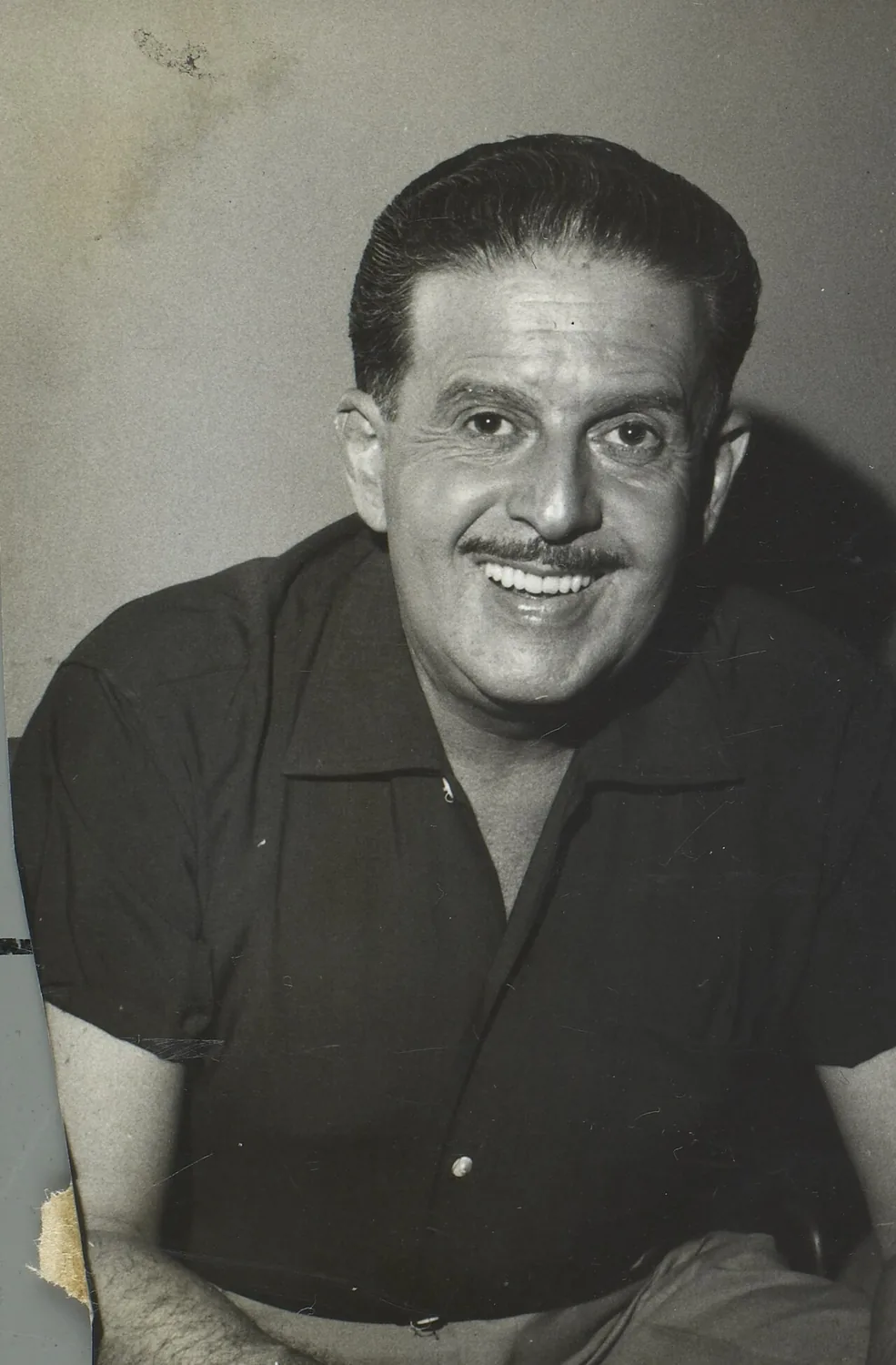
Joaquim Silvério de Castro Barbosa
Biography
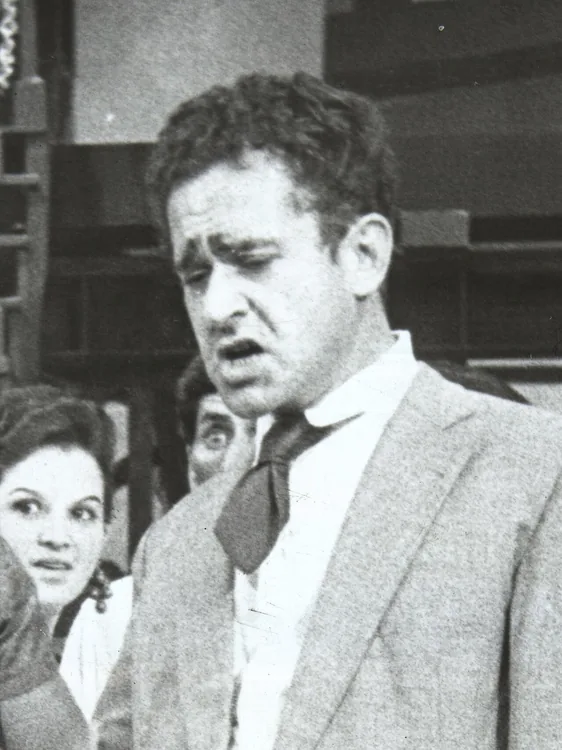
Joaquim Silvério de Castro Barbosa, known as Castro Barbosa, was a Brazilian actor and singer born on May 7, 1909, in Sabará, Minas Gerais. His father, an engineer, contributed to the construction of the old Rio–São Paulo road. The family relocated to Rio de Janeiro when he was a child. Initially pursuing a more conventional path, Castro Barbosa attended a commercial school in 1924 and became a bookkeeper; he worked at Braga & Cia bookstore from 1926 to 1928. After a train accident in Teresópolis, he briefly worked for the Lloyd Brasileiro shipping company. Around 1930, João Athos encouraged him to pursue singing, leading to his recording debut in February 1931 with “Uvinha” and “Tu hás de sentir.”
Castro Barbosa quickly gained prominence through his musical contributions. In December 1931, he recorded "O teu cabelo não nega," which became a major carnival hit in 1932 and was widely popular in Brazil. He formed a duo called “Jonjoca e Castro Barbosa” with João de Freitas Ferreira (Jonjoca) around this time, aiming to compete with established artists like Mário Reis and Francisco Alves. The duo released over 20 recordings by 1933. His comedic talents began to emerge later in his career; from 1937, he worked as both a singer and humorist on the "Programa Palmolive" at Rádio Nacional. He briefly co-hosted the humorous program “PRV-8 Rádio X” with Lauro Borges in 1939.
Castro Barbosa's career flourished in radio, particularly through his character work. From 1942 to 1944, he performed under the pseudonym “Vasco Ferreira” in the program "PRK-20 Zoio d'Água." He is best known for playing the character “Megatério Nababo de Alicerce” in the immensely successful radio show “PRK-30,” which aired on Rádio Nacional from 1946. This program was so popular that it was adapted for television on TVs Paulista and Rio. Castro Barbosa retired from performing in 1968 following the death of Lauro Borges. He had three children and five grandchildren, and a street in the Grajaú neighborhood was named in his honor. He died on April 20, 1975, in Rio de Janeiro, from a stomach aneurysm.
Sources: Wikipedia (CC BY-SA), Wikipedia (CC BY-SA) · Checked