Chuck - GiggleTime cartoon comedian telling jokes
GiggleTime for Android
Free on Google Play
Get the app
GiggleTime - jokes, comedians and comedy shows GiggleTime
Menu
Go Premium Submit a Joke Comedians About FAQs Contact Add a comedian
Get the app
Follow us

Legal
Privacy Policy Terms of Service Cookie Policy Refund and Cancellation Policy Attributions
Login
Language
Categories
Settings
Language English English
Safe Mode
Random Jokes Autoplay
Notifications
Global Talent Directory

Comedians from Brazil

The comedian directory for Brazil: profiles, bios, photos and social links.

Add a comedian
Reset
27 comedians
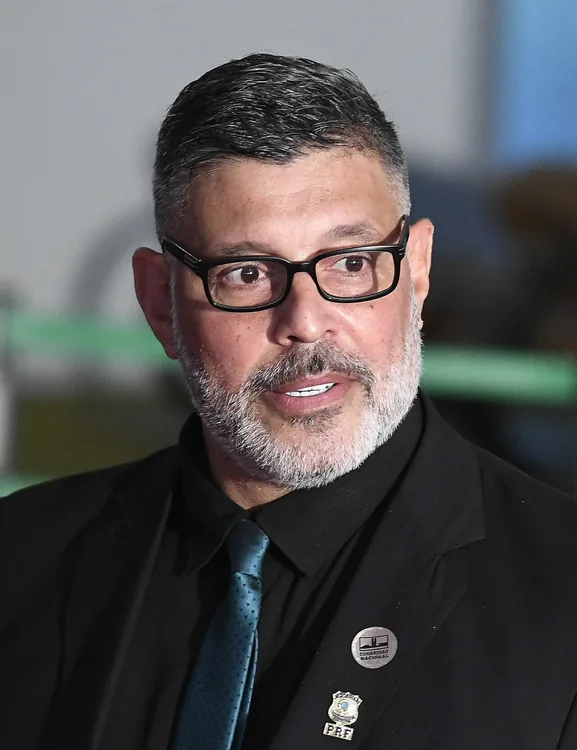
Alexandre Frota, comedian from Brazil
Verified Unclaimed
Brazil

Alexandre Frota

Alexandre Frota de Andrade, a Brazilian public figure who previously worked as a model and adult‑film actor, was formerly affiliated with the Social Liberal Party (PSL). In the 2018 general elections he won a seat as a Federal Deputy for the state of São Paulo.

Carlinhos Maia, comedian from Brazil
Verified Unclaimed
Brazil

Carlinhos Maia

Carlinhos Maia, whose real name is Luiz Carlos Ferreira dos Santos, operates as a Brazilian businessman, actor, comedian and influencer. He is known professionally as Carlinhos Maia and has cultivated a significant national presence. As of the current time, his Instagram account boasts over 36 million followers and has accumulated over 15 billion views, establishing him as a prominent figure in Brazilian digital entertainment. Carlinhos Maia initially gained prominence through humorous videos documenting daily life in Vila Primavera, a neighborhood in Penedo. These videos featured people from his community and showcased his mother's work. His comedy style is distinctly Northeastern Brazilian. This content quickly resonated with audiences, turning Vila Primavera into a tourist attraction. In 2018, he ranked second globally for most-viewed Instagram stories, behind Kim Kardashian, demonstrating the widespread appeal of his online presence. The Instagram reality program Rancho do Maia was presented by Carlinhos Maia beginning in 2019; Casa da Barra appeared in 2023 before reverting to Rancho do Maia the following year. Rancho do Maia is an original digital entertainment production featuring public figures and has become known for generating high organic engagement and frequently trending nationally. Carlinhos Maia’s career includes appearances on television programs such as Os Roni in 2019 and Uma Vila de Novela , which premiered in December 2019. He also co-founded companies in the entertainment and beauty sectors, and actively participates in strategic decisions, branding, and operations of his businesses. In 2020, he was ranked 5th among the 50 most influential LGBT people in Brazil. He publicly came out as homosexual in February 2019 and had a civil ceremony with Lucas Guimarães in May 2019 after being in a relationship with him for nearly ten years. The couple separated in October 2022 but reconciled in January 2023, ultimately ending their marriage in July 2025 after 15 years together. He has faced controversies including accusations of exploiting vulnerable individuals and criticism regarding the potential institutionalization of Patixa Teló. Furthermore, he launched Girabank, which experienced issues with clients attempting to withdraw funds in December 2023. Rancho do Maia has established a new standard for internet entertainment production in Brazil.

Dani Calabresa, comedian from Brazil
Verified Unclaimed
Brazil

Dani Calabresa

Daniella Maria Giusti Barra, conhecida artisticamente como Dani Calabresa, é humorista, atriz, roteirista e apresentadora de televisão brasileira. Destacou‑se como integrante do elenco do programa Comédia MTV, premiado pela APCA, e como co‑apresentadora, ao lado de Bento Ribeiro, do Furo MTV.

Joaquim Silvério de Castro Barbosa, comedian from Brazil
Verified Unclaimed
Brazil

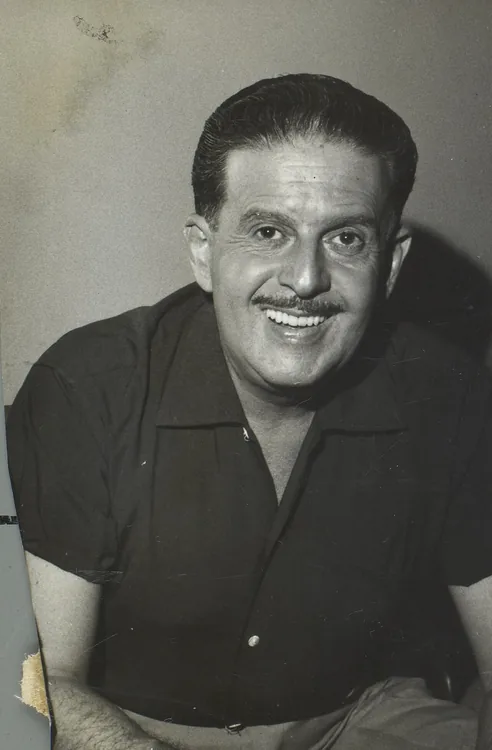
Joaquim Silvério de Castro Barbosa

Joaquim Silvério de Castro Barbosa, known as Castro Barbosa, was a Brazilian actor and singer born on May 7, 1909, in Sabará, Minas Gerais. His father, an engineer, contributed to the construction of the old Rio–São Paulo road. The family relocated to Rio de Janeiro when he was a child. Initially pursuing a more conventional path, Castro Barbosa attended a commercial school in 1924 and became a bookkeeper; he worked at Braga & Cia bookstore from 1926 to 1928. After a train accident in Teresópolis, he briefly worked for the Lloyd Brasileiro shipping company. Around 1930, João Athos encouraged him to pursue singing, leading to his recording debut in February 1931 with “Uvinha” and “Tu hás de sentir.” Castro Barbosa quickly gained prominence through his musical contributions. In December 1931, he recorded "O teu cabelo não nega," which became a major carnival hit in 1932 and was widely popular in Brazil. He formed a duo called “Jonjoca e Castro Barbosa” with João de Freitas Ferreira (Jonjoca) around this time, aiming to compete with established artists like Mário Reis and Francisco Alves. The duo released over 20 recordings by 1933. His comedic talents began to emerge later in his career; from 1937, he worked as both a singer and humorist on the "Programa Palmolive" at Rádio Nacional. He briefly co-hosted the humorous program “PRV-8 Rádio X” with Lauro Borges in 1939. Castro Barbosa's career flourished in radio, particularly through his character work. From 1942 to 1944, he performed under the pseudonym “Vasco Ferreira” in the program "PRK-20 Zoio d'Água." He is best known for playing the character “Megatério Nababo de Alicerce” in the immensely successful radio show “PRK-30,” which aired on Rádio Nacional from 1946. This program was so popular that it was adapted for television on TVs Paulista and Rio. Castro Barbosa retired from performing in 1968 following the death of Lauro Borges. He had three children and five grandchildren, and a street in the Grajaú neighborhood was named in his honor. He died on April 20, 1975, in Rio de Janeiro, from a stomach aneurysm.
Léo Lins, comedian from Brazil
Verified Unclaimed
Brazil

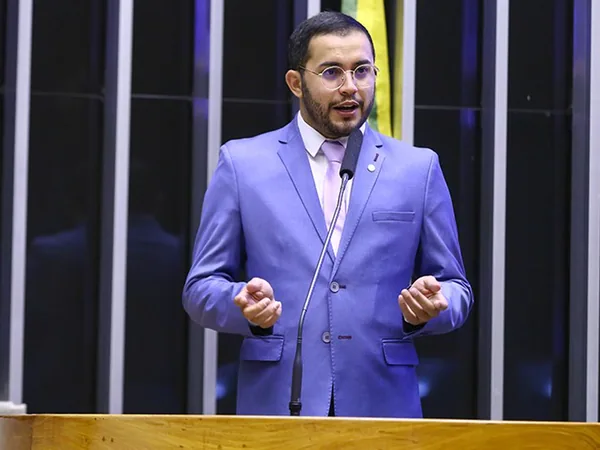
Léo Lins

Leonardo de Lima Borges Lins, known professionally as Léo Lins, is a comedian from Rio de Janeiro, Brazil. He was born on September 3, 1982, and possesses Portuguese and German ancestry. His career began in 2005, initially involving magic shows, and he created the show 'Pão e Circo' (Bread and Circus). Lins was also a member of 'Comédia em Pé', recognized as Brazil's first stand-up group. He has authored three books about stand-up comedy: 'Notas de um Comediante Stand-up' (Notes of a Stand-up Comedian) in 2009, 'Segredos da Comédia Stand-up' (Secrets of Stand-up Comedy) in 2014, and 'Sapo Césio', published through crowdfunding. Lins gained national recognition in 2008 as a finalist on the 'Quem Chega Lá' segment of 'Domingão do Faustão'. Following this, he worked as a writer for the program 'Legendários' on Record from 2010 to 2011. He then became part of the cast of 'Agora É Tarde' from 2011 to 2013, and continued with Danilo Gentili on 'The Noite' on SBT from 2013 to 2022. His solo career took off in 2009 with his show 'Surreal'. He has performed over 1,000 stand-up shows internationally, including in the UK, Portugal, Japan, and Germany. He also appeared in films, including 'Exterminadores do Além contra a Loira do Banheiro' (2018) as Fred and 'No Gogó do Paulinho' (2020) as Capitão Jair. Throughout his career, Lins has faced several controversies. His visa to Japan was canceled in 2013 due to jokes about the 2011 tsunami, though he later returned to perform those jokes after obtaining a new visa. He was ordered to pay R$5,000 to Thais Carla in 2021 for mocking her appearance, and in 2023, his show 'Pertubador' was removed from YouTube due to hateful comments. Legal proceedings have also involved a sentence of 8 years in prison in June 2025, later overturned in February 2026. In July 2025, a joke about the death of Preta Gil caused significant backlash. The 2014 book 'Segredos da Comédia Stand-up' details his structured process for creating jokes.

Oscar Filho, comedian from Brazil
Verified Unclaimed
Brazil

Oscar Filho

Oscar Filho, born Oscar Francisco de Moraes Junior on August 22, 1978, in Atibaia, Brazil, is a multifaceted entertainer. He has worked as a Brazilian businessperson, comedian, actor, writer, reporter and television presenter. His career began in humor in 2003, and he has since established himself as a prominent figure in the Brazilian entertainment landscape. Since 2005, Filho is recognized as a trailblazer in Brazil's stand-up comedy scene. He co-founded Clube da Comédia Stand-up in São Paulo that same year, alongside Danilo Gentili and Diogo Portugal. He debuted on television in 2008 with 'CQC - Custe o Que Custar' on Band, where he worked as a reporter specializing in investigative humor and was known for the 'Proteste Já' segment. His work on television encompasses shows such as 'Dancing Brasil' on Record, 'Desafio Celebridades' on Discovery Channel, 'Tá no Ar' on Globo, as well as four seasons of 'Xilindró' and the sitcom 'Aí Eu Vi Vantagem'. Filho’s creative output extends beyond stand-up. In 2014, he authored his debut book, 'Autobiografia Não Autorizada,' which featured a preface by Danilo Gentili; this publication subsequently served as the basis for his second stand-up show, 'Alto - Biografia Não Autorizada,' in 2020. He has also starred in the film 'Escola de Quebrada' (2023), produced by Paramount+ and KondZilla, which was nominated for an International Emmy Award in 2024, and the series 'Marcelo Marmelo Martelo' (2023) on Paramount+. In 2024, he released his second solo stand-up comedy special featuring narration by Cid Moreira, incorporating stories from his book.

Rafafá, comedian from Brazil
Verified Unclaimed
Brazil

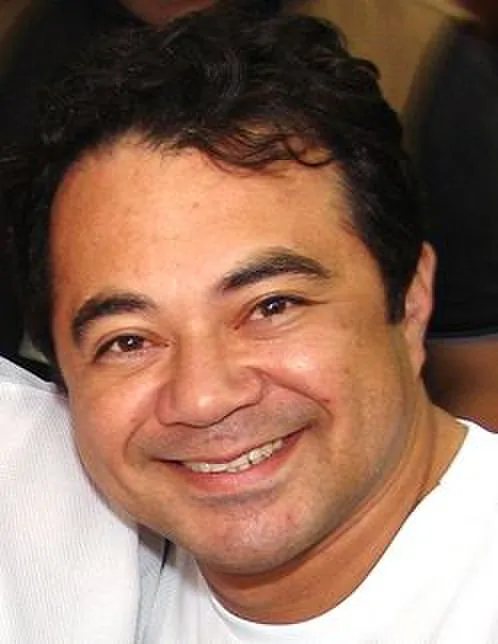
Rafafá

Rafael Pereira Sousa, conhecido como Rafafá, atua como apresentador de TV, humorista e político brasileiro, assumindo a vaga de deputado federal quando Pedro Cunha Lima se afastou temporariamente do cargo.

Renato Aragão, comedian from Brazil
Verified Unclaimed
Brazil

Renato Aragão

Renato Aragão, also known as Didi, is a multifaceted Brazilian entertainer. Born Antônio Renato Aragão on January 13, 1935, in Sobral, Ceará, he holds the distinction of being a comedian, actor, producer, filmmaker, TV presenter, singer, writer, lawyer, and businessman. His father was the writer Paulo Ximenes Aragão. He is considered one of the greatest names in Brazilian humor and a significant figure in Brazilian television and entertainment. Aragão’s career began in the 1960s at TV Ceará and quickly expanded to include appearances in series like Vídeo Alegre (1961-1963) and A E I O URCA . He earned a law degree from the Federal University of Ceará in 1961, though he never practiced. A pivotal moment arrived in 1972 with Os Insociáveis , followed by the formation of Os Trapalhões in 1974 with Dedé Santana, Mussum, and Zacarias. The group’s television series, Os Trapalhões , initially aired on TV Tupi from 1974 to 1976 before moving to TV Globo from 1976 to 1993. The role of Didi Mocó within Os Trapalhões solidified Aragão's place in Brazilian popular culture. He starred in numerous films alongside his group members, contributing significantly to Brazilian cinema. He also released several albums with Os Trapalhões , beginning in 1974. Beyond television and film, he hosted the long-running Criança Esperança program on Globo TV from 1986 to 2012, and served as a UNICEF ambassador in Brazil. In 1998, he created A Turma do Didi , which ran until 2010, followed by Aventuras do Didi until 2012. A TV movie, Uma Noite no Castelo , appeared in 2009.


Rita von Hunty, comedian from Brazil
Verified Unclaimed
Brazil

Rita von Hunty

Rita von Hunty is a Brazilian performer, comedian, and broadcaster. Born Guilherme Terreri Lima Pereira in Ribeirão Preto, São Paulo, in 1990, he also goes by the name Guilherme Terreri. As of this writing, Guilherme is 30 years old. He is a teacher, actor, presenter, YouTuber, speaker, and drag queen. His work encompasses various platforms, including television, social media, and live events. Guilherme’s educational background includes degrees in Performing Arts from UNIRIO and Literature from USP. He worked as an actor for several years before relocating to São Paulo in 2011, a move prompted by his mother's need for cancer treatment. Sadly, she passed away in 2012; Guilherme decided to remain in São Paulo to dedicate himself to theater following her death. The Rita von Hunty persona debuted during Carnival in 2013, initially presenting performances with a burlesque style reminiscent of pin-ups. This persona was created to challenge stereotypes about drag queens and is inspired by the 1940s actress Rita Hayworth, with "Hunty" being a term of affection from the drag community and "Von" signifying royalty. Rita von Hunty’s YouTube channel, “Tempero Drag,” was launched in 2015 and initially featured humorous vegan recipes alongside discussions on broader topics. The character evolved beyond cooking and veganism to address themes like capitalism, gender, toxic masculinity, and democracy. A video explaining class consciousness has garnered over 800,000 views. She gives classes and workshops at events and universities, offering a course called 'Curso Revolucionário da Rita von Hunty' in cities including Belo Horizonte, Curitiba, Rio de Janeiro, and São Paulo. Her persona aims to mobilize and emotionally connect with people. As of December 2021, she had amassed nearly 2 million followers across her social media platforms. She appeared on RecordTV’s Xuxa Meneghel program in 2015 and currently hosts the TV program “Drag Me As a Queen” on E!, now in its second season. Rita is a much-loved figure in Brazil, and will be participating in the Boys & Men Festival in Rio de Janeiro on May 29, 2026, which explores masculinity, care, and solutions to gender-based violence. A book featuring Rita von Hunty, authored by Guilherme Terreri, is scheduled for release next year by Editorial Planeta.

Shaolin, comedian from Brazil
Verified Unclaimed
Brazil

Shaolin

Francisco Jozenilton Veloso, known professionally as Shaolin, was a Brazilian entertainer born on May 8, 1971, in Coremas, Paraíba. He identified as a cartoonist, caricaturist, humorist, comedian, and media presenter. His career began at the Severino Cabral Municipal Theater in Campina Grande, where he initially worked. Shaolin also gained experience as a radio personality on Rádio Campina Grande and contributed political cartoons to newspapers such as 'A Palavra,' 'Jornal da Paraíba,' and the magazine 'Revista Nordeste'. He adopted the stage name Shaolin, which he used consistently throughout his career. Shaolin’s comedy style involved satirizing Brazilian celebrities. He is particularly recognized for his appearances on popular television shows including Domingão do Faustão and Show do Tom. His work also included appearances on A Praça É Nossa. In 2011, he appeared on Tudo é Possível with Ana Hickmann, where he parodied figures like Leonardo, Joelma, and Zezé di Camargo. Shaolin’s humor reached a wide audience through these prominent television platforms. A significant event in Shaolin's life occurred in January 2011 when he was seriously injured in a traffic accident on BR-230. The collision with a truck resulted in a traumatic brain injury and an exposed fracture of his left arm, leading to an induced coma. He remained unconscious until May 2011 and began communicating again in September 2012 using eyelid movements aided by a device from Sweden. Shaolin married Laudiceia Veloso in December 1994, and they had two children. Sadly, he died on January 14, 2016, in Campina Grande, following a respiratory infection and cardiac arrest. His last appearance was on Tudo é Possível.

Tom Cavalcante, comedian from Brazil
Verified Unclaimed
Brazil

Tom Cavalcante

Tom Cavalcante is a Brazilian actor and comedian, born Antônio José Rodrigues Cavalcante on March 8, 1962, in Fortaleza, Ceará. He professionally uses the name Tom Cavalcante and works as a humorist, actor, imitator, presenter, radio personality, and voice actor. His career spans over four decades, beginning with performances in bars in Ceará in 1976 when he was just fourteen years old. Early in his career, Tom Cavalcante sought opportunities outside of his home state. He attempted to secure a television job in Rio de Janeiro in 1982 but faced rejection. In 1984, an attempt was made by him to join the SBT Show de Calouros talent show, but he was unsuccessful. From 1984 until 1989, he secured a position as a radio broadcaster for Rádio Verdes Mares, where he presented the comedy program Ligação Direta. During the 1986 elections, he also performed comic skits at political rallies. In 1987, he presented the news program VM Notícias. The late 1980s and 1990s marked significant milestones in Tom Cavalcante’s career. He joined Chico Anysio's 'Chico Anysio Show' in 1989, and subsequently gained recognition for portraying João Canabrava, a drunk character, on 'Escolinha do Professor Raimundo', beginning in the same year. From 1996 to 1999, he played Ribamar, a doorman, on 'Sai de Baixo,' though he left the show in May 1999 due to disagreements. He briefly replaced Xuxa on 'Planeta Xuxa' in 1998. Between 1999 and 2001, he made appearances on Globo’s comedic programs ‘Zorra Total’ and ‘Megatom,’ also serving as the host of 'Megatom' from 2000 to 2001. He also hosted 'Show do Tom' on TV Record from 2004 to 2011. Tom Cavalcante continued to evolve his work. In 2015, he starred in the sitcom #PartiuShopping and hosted ‘Casa dos Políticos’ (2016), a satirical program addressing Brazilian corruption. He has also appeared in the comedy film 'Os Parças' (2017) and performed impressions of Jair Bolsonaro as the character 'Tomsonaro'. In September 2019, he presented shows #PartiuShopping and Multi Tom on Multishow and hosted 'Todos os Toms' at the Riomar Theater. He celebrated 42 years of his career in 2018. Currently, he presents 'Acerte ou Caia!' on Record and returned to Record in late 2023 to present the special Família Record. In 2011, he moved to the United States with his family so his daughter could receive better education; during that time, he studied English and attended workshops at the New York Film Academy.

Brazilian Comedians and Stand-Up Comedy

Brazil has one of the largest and most diverse comedy scenes in Latin America, with Brazilian comedians working across stand-up comedy, television, film, theatre, radio, podcasts and social media. Brazilian humor is known for its variety, ranging from observational comedy and storytelling to satire, sketch comedy, characters and improvisation.

Comedy in Brazil is predominantly performed in Portuguese, and the country's enormous regional diversity gives comedians plenty of different cultural experiences and perspectives to draw from. São Paulo and Rio de Janeiro are major centers for live comedy, while performers from cities across the country have built audiences through television and digital platforms.

Popular Brazilian Comedians

Brazil has produced many comedians who have become widely recognized through stand-up, television, films and online entertainment. Well-known names associated with Brazilian comedy include Whindersson Nunes, Fábio Porchat, Afonso Padilha, Thiago Ventura, Bruna Louise, Rodrigo Marques, Murilo Couto, Danilo Gentili and Leandro Hassum.

Some Brazilian comedians are primarily associated with stand-up, while others have become actors, writers, presenters or producers. Many have also used YouTube, podcasts and social media to develop large audiences outside traditional television and theatre.

Brazil's comedy scene also includes performers working with different regional accents, cultural references and styles of humor, making it difficult to describe Brazilian comedy as a single genre.

Brazilian Stand-Up Comedy

Brazilian stand-up comedy has grown into an important part of the country's entertainment industry. Comedians perform in dedicated comedy clubs, theatres, cultural venues and large touring productions, while recorded specials and online clips allow performances to reach audiences throughout Brazil.

Common subjects include relationships, family, work, dating, friendships, technology and everyday situations. Brazilian comedians may also incorporate observations about regional culture and Brazilian society, often using personal experiences as the foundation for their material.

The growth of streaming platforms and online video has created additional opportunities for comedians to publish full specials, short clips, podcasts and other forms of comedy content.

Comedy in Brazil

Brazilian comedy extends well beyond stand-up. Television has played an important role in popularizing sketch comedy, sitcoms, variety programs and comedic characters, while Brazilian cinema has produced numerous successful comedy films.

Today, digital media is equally important. Comedians can build audiences through YouTube, Instagram, podcasts and streaming services, sometimes becoming widely known online before appearing in traditional media.

This combination of established entertainment and digital comedy has created opportunities for both experienced performers and a new generation of Brazilian comedians.

Discover Comedians from Brazil

Whether you're interested in Brazilian stand-up comedians, famous comedy personalities or emerging performers, Brazil offers an enormous variety of comedic styles and voices.

Browse GiggleTime to discover comedians from Brazil, learn more about individual performers and explore Brazilian comedy alongside comedians from countries around the world.